In an increasingly interconnected world, identity often transcends borders, weaving together cultures, languages, and histories into a complex tapestry. Navigating dual citizenship has become a modern dance—a balancing act between allegiance and opportunity, belonging and individuality. This global phenomenon challenges traditional notions of nationhood, inviting individuals to embrace a multifaceted identity that spans continents and legal systems. As governments and citizens alike grapple with the privileges and responsibilities dual citizenship entails, understanding this nuanced landscape is key to unlocking its potential and addressing its challenges. Welcome to the intricate journey of dual citizenship—a story of global identity in motion.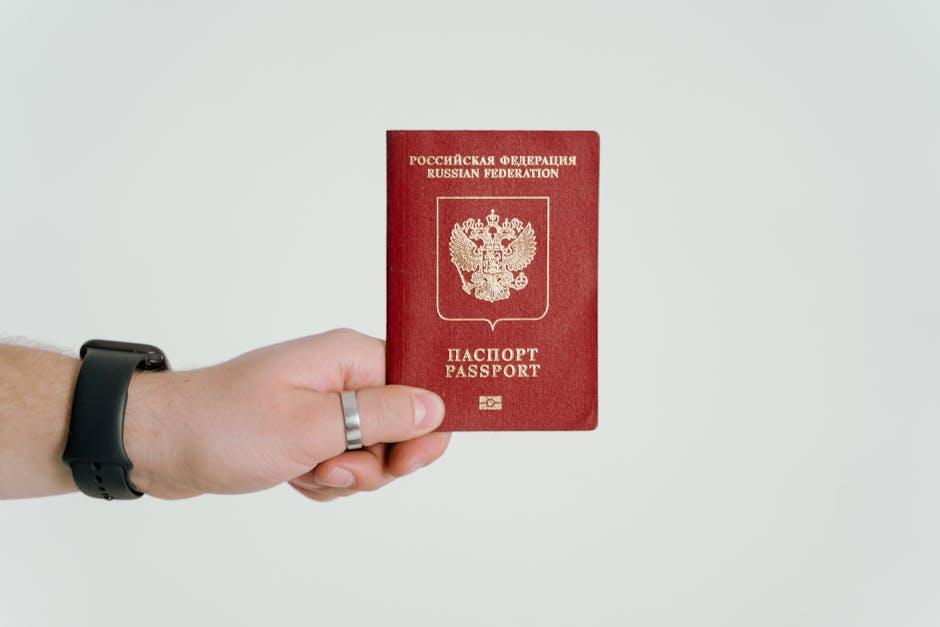
Understanding the Legal Landscape of Dual Citizenship
Exploring the intricacies of holding citizenship in multiple countries reveals a complex web of legal stipulations and obligations. Not all nations embrace dual citizenship uniformly; some adopt a permissive stance allowing individuals to enjoy rights and responsibilities across borders, while others impose stringent restrictions or outright prohibit it. Key considerations include taxation policies, mandatory military service, and the potential impact on diplomatic protections, all of which can vary widely depending on the bilateral agreements between countries.
Understanding these legal frameworks is essential for anyone contemplating dual citizenship. The following aspects illustrate this diversity:
- Countries Allowing Dual Citizenship: Provide full legal recognition without requiring the renunciation of original nationality.
- Countries With Conditional Acceptance: Permit dual citizenship under specific circumstances, such as birthright or marriage.
- Countries Prohibiting Dual Citizenship: Demand the renunciation of other nationalities upon naturalization.
| Country | Dual Citizenship Status | Unique Legal Note |
|---|---|---|
| Canada | Permissive | No requirement to renounce other citizenships |
| Japan | Restrictive | Obligates choice of one nationality by age 22 |
| Germany | Conditional | Allows dual citizenship mainly for EU and Swiss nationals |
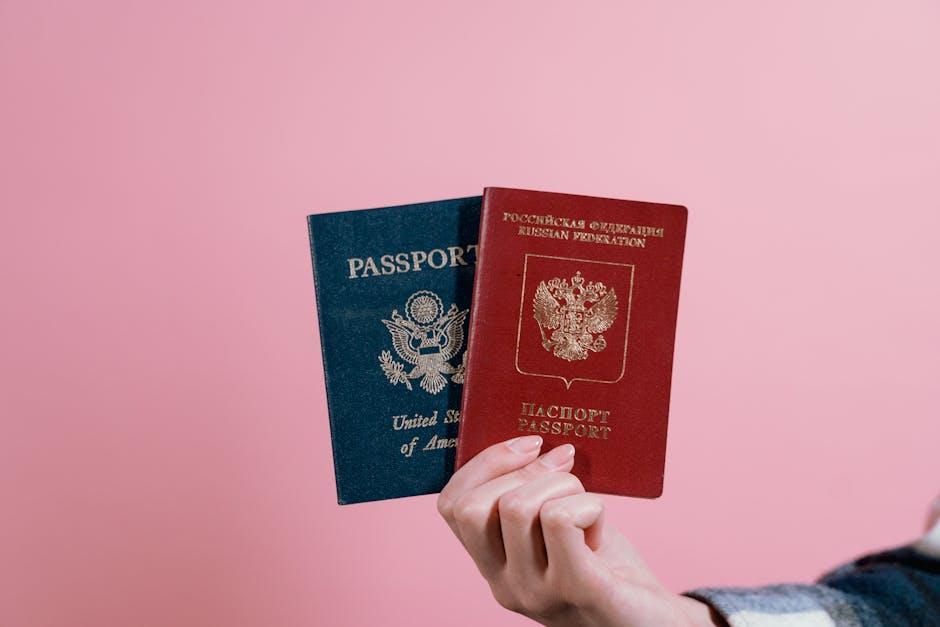
Cultural Identity and Emotional Complexities
Living between two worlds often means weaving together distinct cultural tapestries that shape an individual’s sense of self. Dual citizens experience a rich but complex interplay of traditions, languages, and societal expectations that can both enrich and confuse their emotional landscape. While the fusion of diverse cultural elements can lead to a dynamic and multifaceted identity, it also demands constant negotiation to reconcile differences in values and norms. This persistent balancing act can evoke feelings of belonging everywhere and nowhere at once, challenging the individual to carve out a unique niche that honors all parts of their heritage.
Emotional complexities arise as dual citizens navigate societal perceptions and internal dilemmas such as loyalty, acceptance, and authenticity. The pressure to embody or prioritize one identity over the other can lead to an internal tug-of-war, especially during culturally significant moments or crises. Consider the following common emotional themes:
- Belonging vs. Otherness: Feeling deeply connected to multiple places yet sometimes seen as an outsider in each.
- Heritage vs. Assimilation: Balancing pride in ancestral roots while adapting to new societal norms.
- Dual Expectations: Meeting family and community expectations across different cultural paradigms.
| Emotion | Common Triggers | Coping Strategies |
|---|---|---|
| Ambivalence | Cultural holidays, language barriers | Cultural education, peer support |
| Identity Confusion | Social exclusion, identity questions | Personal reflection, counseling |
| Empowerment | Acceptance, successful integration | Community engagement, self-expression |
Managing Tax Obligations Across Borders
For dual citizens, understanding how tax laws intersect across different nations is essential to avoid unexpected penalties or double taxation. Each country has unique guidelines regarding global income reporting, tax treaties, and residency criteria, which can create a complex web to navigate. Effective tax management begins with identifying these overlapping obligations and seeking clarity on the rules specific to each jurisdiction. This often involves consulting tax professionals familiar with international law or making use of official government resources.
Key strategies to remain compliant include:
- Monitoring income sources: Categorize income as domestic or foreign to apply correct tax treatments.
- Leveraging tax treaties: Use bilateral agreements to minimize or eliminate double taxation.
- Filing accurate returns: Submit timely and transparent documentation in all relevant countries.
- Utilizing foreign tax credits: Offset taxes paid abroad against domestic tax liabilities.
| Country | Tax Treaty Status | Primary Tax Obligation |
|---|---|---|
| Country A | Yes | Worldwide income reporting |
| Country B | No | Resident-source income only |
| Country C | Partial | Tax credit for foreign taxes paid |
Practical Tips for Travel and Documentation
Maintaining a smooth travel experience while holding dual citizenship involves meticulous preparation and knowledge of each country’s entry and exit requirements. Always carry both passports, as they prove your identity and legal status in respective countries. To prevent last-minute surprises, check visa requirements ahead of time — some countries require visas even if you hold a passport from a different nation. Organize your documents in a secure yet accessible travel wallet, ensuring your visa pages, entry stamps, and any required permits are visible. Remember, airlines may also ask to see both passports at check-in, so be ready to present them.
When it comes to managing paperwork, keeping digital backups of all important documents is a smart strategy. This includes copies of your passports, visa approvals, naturalization certificates, and any residency permits. Consider using a secure cloud service that can be accessed globally if original documents are lost or stolen. Additionally, understanding the tax residency rules and reporting requirements in each country can save you from unexpected obligations. To make the process simpler, use the following checklist:
- Carry original and photocopies of both passports and visas
- Keep passport validity updated to avoid travel rejections
- Research visa and entry restrictions for the country you’re visiting
- Maintain digital backups of all travel and citizenship documents
- Know tax residency laws for both countries to stay compliant
| Document | Purpose | Storage Tip |
|---|---|---|
| Passport A | Entry and exit for Country A | Physical + encrypted cloud backup |
| Passport B | Entry and exit for Country B | Physical + encrypted cloud backup |
| Visa pages | Proof of authorized entries | Organized folder in travel wallet |
| Naturalization certificate | Proof of citizenship | Safe digital storage & original secured |
Strategies for Leveraging Dual Citizenship Opportunities
To maximize the benefits of holding citizenship in two countries, it’s crucial to adopt a proactive approach. Understanding legal frameworks in both nations prevents complications while enhancing mobility and financial opportunities. For example, while one country may offer robust social benefits, another might provide superior tax advantages or investment incentives. Leveraging dual citizenship means tailoring your lifestyle and business strategies to tap into these diverse advantages. This requires a careful balance of residency requirements, tax obligations, and local laws governing property ownership and business operations.
Practical strategies to harness dual citizenship include:
- Optimizing travel freedom: Use passports to minimize visa restrictions and streamline global movement.
- Accessing educational and healthcare services: Choose the best institutions and healthcare systems offered by each nationality.
- Expanding business horizons: Establishing companies or investment portfolios in either country to capitalize on economic strengths.
- Preserving cultural identity: Engage actively in traditions and networks in both countries for enriched social experiences.
| Opportunity | Country A Advantage | Country B Advantage |
|---|---|---|
| Tax Benefits | Lower income tax rates | Capital gains exemptions |
| Education | World-class universities | Affordable tuition |
| Healthcare | Universal coverage | High-quality specialist care |
| Travel | Visa-free access to Europe | Strong South American ties |
In Conclusion
In the delicate dance of dual citizenship, individuals weave together threads of culture, legality, and personal identity into a tapestry that transcends borders. This global balancing act challenges us to rethink notions of belonging and nationality in an increasingly interconnected world. As dual citizens navigate the complexities and opportunities of their multifaceted identities, they become ambassadors of a new kind of global community—one that embraces diversity while honoring the ties that root us to many places at once. Ultimately, the journey of dual citizenship is less about choosing between worlds and more about harmonizing them, crafting a narrative that is uniquely their own.