In an increasingly interconnected world, the concept of identity has transcended borders, giving rise to the complex yet captivating reality of dual citizenship. Holding allegiance to two nations simultaneously presents a unique tapestry of opportunities and challenges—offering a wealth of cultural richness and expanded rights, while also demanding a nuanced understanding of responsibilities. This article embarks on a journey through the intricate landscape of dual citizenship, exploring how individuals can thoughtfully balance the privileges afforded by multiple national ties with the obligations they entail. Whether a hopeful applicant or a curious observer, navigating this dual existence requires both insight and intention—and together, we’ll uncover what it truly means to live between two flags.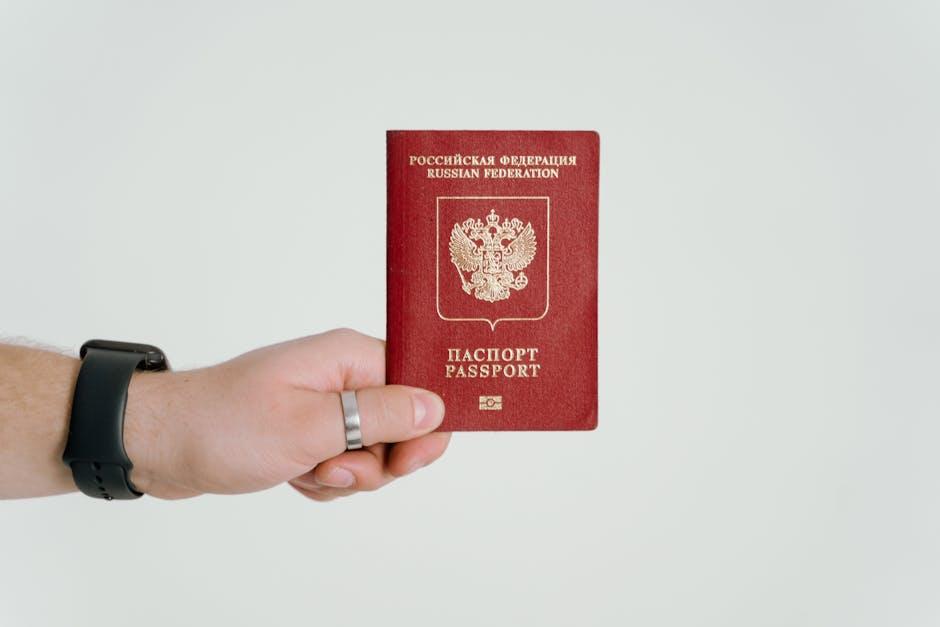
Understanding Dual Citizenship and Its Global Implications
Dual citizenship offers a unique blend of opportunities and challenges, weaving together the rights and responsibilities of two nations into a single individual’s experience. It grants access to diverse economic markets, legal protections, and cultural heritage, fostering a sense of global belonging. However, this dual status also demands navigating complex legal landscapes where obligations like taxation, military service, and political allegiance may overlap or conflict. Those who embrace dual citizenship often become bridges between cultures, enhancing international cooperation and personal identity, yet they must remain vigilant in understanding how each country’s laws intersect with and sometimes contradict one another.
The intricacies of dual citizenship are further illustrated through its global implications, which vary significantly depending on the countries involved. Some nations fully recognize dual nationality, empowering citizens with expansive freedoms, while others enforce stricter regulations or even prohibit it. The table below outlines key aspects that holders of dual citizenship commonly face:
| Aspect | Potential Benefits | Common Challenges |
|---|---|---|
| Travel & Mobility | Visa-free access to more countries | Conflicts in embassy protection |
| Legal Rights | Ability to own property & work in multiple countries | Dual taxation & legal jurisdiction complexities |
| Civic Duties | Right to vote in two nations | Obligations like military service or jury duty |
Understanding these layers is crucial to making informed decisions and respecting the delicate balance between embracing global citizenship and honoring national loyalties. As the world becomes increasingly interconnected, the dialogue around dual citizenship continues to evolve, inviting both policymakers and citizens to redefine what it means to belong to more than one homeland.

Legal Rights and Obligations Across Borders
Holding citizenship in two countries often means navigating a complex web of legal rights and obligations. Dual citizens enjoy benefits such as the right to vote, work, and access social services in both nations. However, these advantages come with responsibilities including tax filing requirements, compliance with military service laws, and adherence to each country’s legal framework. Understanding how these rights and duties intersect is crucial to avoid legal pitfalls and maintain good standing with both governments.
Key considerations for dual citizens include:
- Tax Residency: Different countries use varying criteria to define tax residency, impacting income declarations and potential double taxation.
- Legal Jurisdictions: Laws regarding property ownership, inheritance, and family rights may differ, requiring dual citizens to stay informed about local regulations.
- Civic Duties: Military service obligations or jury duty can apply, depending on the country’s policies and bilateral agreements.
| Aspect | Country A | Country B |
|---|---|---|
| Voting Rights | Universal | Restricted to local residents |
| Tax Filing | Citizenship-based | Residency-based |
| Military Service | Mandatory (18-25 years) | Voluntary |
Managing Taxation and Financial Responsibilities
When holding citizenship in two countries, understanding the tax obligations in each jurisdiction is crucial to avoid legal pitfalls and optimize financial health. Dual citizens must meticulously track income sources, residency status, and specific bilateral agreements that may impact their tax responsibilities. Some countries enforce worldwide income taxation, meaning income earned abroad could also be taxable, while others use territorial tax systems. It’s essential to familiarize yourself with tax treaties that can prevent double taxation and ensure compliance without overpaying.
Effective financial management also involves staying updated on reporting requirements, such as foreign bank account disclosures and asset declarations. Here are key considerations to bear in mind:
- Stay informed about filing deadlines in both countries to avoid penalties.
- Consult tax professionals who specialize in cross-border taxation.
- Leverage tax credits and exemptions applicable under international agreements.
- Maintain detailed financial records to substantiate declarations.
| Country | Taxation Type | Tax Treaty | Notable Requirement |
|---|---|---|---|
| Country A | Worldwide Income | Yes | Annual FBAR Filing |
| Country B | Territorial | Yes | Income Source Declaration |
Cultural Integration and Identity Negotiation
Embracing dual citizenship often means embracing multiple cultural narratives simultaneously. Individuals find themselves walking a tightrope between preserving the traditions and values of their homeland while adapting to the cultural rhythms of their new country. This dynamic process of cultural integration doesn’t erase one identity but enriches it, fostering a unique hybrid sense of self. It encourages dual citizens to become cultural ambassadors, bridging gaps and fostering understanding across communities. This balance, however, requires continuous negotiation, as individuals often navigate conflicting social norms and expectations that may challenge their sense of belonging.
Practical challenges accompany these emotional and cultural negotiations, influencing how identity takes shape over time. For instance, dual citizens might find themselves grappling with:
- Language preferences: Choosing which language to prioritize at home and in public spaces.
- Social customs: Adapting to or resisting cultural practices that differ from their upbringing.
- Legal obligations: Aligning with the civic duties and rights in both countries while maintaining personal values.
| Aspect | Challenge | Opportunity |
|---|---|---|
| Language | Maintaining fluency in both languages | Developing multilingual skills |
| Customs | Navigating cultural expectations | Enriching social experiences |
| Legal Duties | Managing dual tax and military service responsibilities | Access to wider rights and protections |
Practical Strategies for Maintaining Compliance and Benefits
Successfully juggling the rights and duties of dual citizenship requires a proactive approach. Begin by staying informed on the evolving laws of both countries involved. Regularly review visa requirements, taxation policies, and residency obligations to avoid surprises at crucial moments like renewals or tax seasons. Utilize official government portals and reputable expat communities as reliable resources for updates. Additionally, maintaining meticulous records—from passports and identification to tax filings and proof of residency—streamlines processes and minimizes administrative hurdles.
To further ease the navigation, consider adopting these practical habits:
- Establish a communication routine: Set reminders to check expiry dates or submit required documents, ensuring timely compliance.
- Leverage professional advice: Engage legal and financial experts familiar with dual citizenship nuances in both countries.
- Balance financial responsibilities: Use comparative tools to understand tax liabilities and available exemptions, preventing double taxation.
- Respect civic duties: Participate in required electoral or community obligations to maintain good standing.
| Aspect | Action | Benefit |
|---|---|---|
| Passport Validity | Renew 6 months before expiry | Avoid travel disruptions |
| Tax Filing | File in both countries if required | Prevent penalties/double taxation |
| Residency Laws | Stay informed on minimum stay requirements | Preserve citizenship rights |
Key Takeaways
In the intricate dance of dual citizenship, individuals are called to balance the privileges of belonging with the duties of allegiance. Navigating this complex terrain requires more than just understanding legal frameworks; it demands a thoughtful embrace of cultural identity, personal responsibility, and global awareness. As borders blur and the world becomes increasingly interconnected, dual citizens stand at a unique crossroads—where rights intertwine with responsibilities, and opportunity walks hand in hand with obligation. By approaching this balance with intention and insight, one can truly transform the challenges of dual citizenship into a harmonious journey of belonging on multiple stages.