In an increasingly interconnected world, the concept of identity transcends borders, and more individuals find themselves embracing the legal status of dual citizenship. This unique intersection of allegiance and opportunity offers a fascinating blend of benefits and challenges, inviting a closer look beyond the surface. Navigating dual citizenship is not merely a matter of holding two passports; it’s an intricate balance of rights, responsibilities, and boundaries that can shape personal and professional landscapes in profound ways. This article delves into the multifaceted nature of dual citizenship, exploring its advantages and the nuanced considerations that come with living between two nations.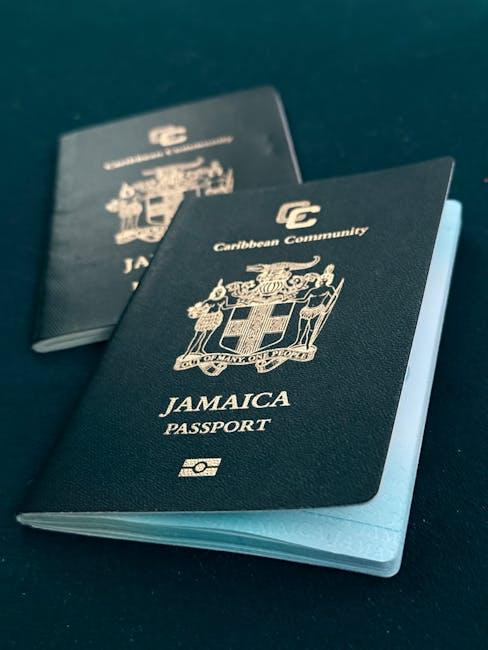
Understanding the Legal Landscape of Dual Citizenship
When exploring dual citizenship, it’s essential to recognize that laws vary widely between countries, each imposing unique requirements and restrictions. Some nations fully embrace the concept, allowing their citizens to maintain multiple nationalities without penalty, while others may demand exclusive allegiance or require formal renunciation of previous citizenships. Understanding these nuances can safeguard you from unexpected legal entanglements, such as tax obligations or compulsory military service. For instance, while the United States permits dual citizenship, it expects full compliance with American laws, which might include detailed financial disclosures to the IRS.
Besides national policies, international treaties and bilateral agreements can influence your dual nationality status. Here are some key factors to consider:
- Tax Responsibilities: Reporting worldwide income to avoid conflicts.
- Travel Restrictions: Some passports may be restricted from certain countries.
- Political Rights: Voting rights and candidacy can be limited.
- Consular Protection: Limits may apply when seeking assistance abroad.
| Country | Allows Dual Citizenship | Key Restriction |
|---|---|---|
| Canada | Yes | None |
| Japan | No | Must Renounce by Age 22 |
| Germany | Limited | Requires Permission |

Weighing the Personal and Economic Advantages
Embracing dual citizenship opens doors to a rich tapestry of personal and economic opportunities. On the personal front, it fosters a profound connection to multiple cultures, enhancing one’s sense of identity and belonging. Imagine celebrating holidays in two countries, having access to diverse educational systems, and forging relationships that span continents. These experiences not only broaden horizons but also enrich life stories in ways that single citizenship rarely allows.
Economically, the advantages can be equally compelling. Dual citizens often benefit from:
- Expanded employment prospects across national borders, easing the path to international careers.
- Access to diverse financial systems, which may include favorable banking services and investment opportunities.
- Flexibility in taxation and social benefits, depending on bilateral agreements between countries.
| Personal Advantages | Economic Benefits |
|---|---|
| Multicultural identity | Broader job markets |
| Access to dual education systems | Tax planning opportunities |
| Cross-border family ties | Investment diversification |
Balancing Responsibilities Across Borders
Juggling responsibilities in two countries requires a delicate dance of attention and adaptability. Dual citizens must often align obligations such as taxes, voting rights, and legal duties with the regulatory frameworks of both nations. To manage this effectively, creating a clear checklist can be helpful:
- Understand tax requirements: Know when and how to file taxes in each country to avoid penalties.
- Stay informed about legal duties: This includes military service, jury duty, or civic participation.
- Keep documentation updated: Passports, identification, and residence permits require regular renewal.
Not all responsibilities weigh equally, and prioritizing can be crucial. The table below outlines common responsibilities and suggested management strategies to help maintain balance without becoming overwhelmed:
| Responsibility | Key Considerations | Suggested Action |
|---|---|---|
| Tax Filing | Different deadlines and policies | Consult tax expert; use calendar alerts |
| Voting Rights | May require registration each cycle | Track election dates; register ahead |
| Legal Obligations | Military service or jury duty in one country | Seek legal guidance; plan commitments |
| Residency Compliance | Maintain valid residence permits | Renew early; keep copies of documents |
Managing Taxation and Financial Obligations Effectively
Handling financial responsibilities becomes increasingly complex when multiple tax jurisdictions come into play. Dual citizens must navigate the nuances of each country’s tax laws, ensuring compliance without falling into the trap of double taxation. Strategic planning, such as leveraging tax treaties and utilizing foreign tax credits, can alleviate potential burdens. It’s essential to maintain meticulous records and seek expert advice to optimize your tax position while fulfilling legal obligations.
- Understand each country’s tax deadlines and reporting requirements.
- Leverage bilateral tax treaties to reduce or eliminate double taxation.
- Keep thorough documentation of income, expenses, and financial transactions.
- Consult with tax professionals familiar with multi-jurisdictional taxation.
| Financial Obligation | Country A | Country B | Strategy |
|---|---|---|---|
| Income Tax | Progressive rates (10-30%) | Flat rate (20%) | Use foreign tax credit |
| Social Security | Mandatory contribution | Optional contribution | Assess bilateral agreements |
| Property Tax | Annual fixed rate | Variable rate by region | Monitor local regulations |
Practical Tips for Maintaining Dual Citizenship Compliance
To stay on the right side of the law while enjoying dual citizenship, it’s crucial to keep track of your obligations in both nations. This involves understanding tax filing requirements, renewing passports on time, and maintaining proper residency status where applicable. For instance, some countries might require annual declarations or military service registrations. Setting calendar reminders for these deadlines can drastically reduce the risk of penalties or loss of benefits. Staying connected with the relevant embassies and official government websites ensures you receive updates on changing rules or new compliance protocols.
- Keep copies of all citizenship and residency documents for easy access during travel or legal procedures.
- Consult tax professionals familiar with cross-border regulations to avoid double taxation or inadvertent tax evasion.
- Stay informed about compulsory civic duties such as voting, jury service, or national insurance contributions.
- Regularly update personal information with embassies and local authorities (address, marital status, etc.).
| Compliance Area | Common Requirement | Suggested Action |
|---|---|---|
| Taxation | Annual filing & reporting worldwide income | Hire a bi-national tax advisor |
| Passport Renewal | Renew every 5-10 years | Set renewal reminders 6 months prior |
| Voting & Civic Duties | Mandatory registration in some states | Register with local consulate |
| Military Service | Compulsory for some citizens | Confirm exemptions or deferrals |
Wrapping Up
In the complex dance of dual citizenship, the steps are many and the rhythm ever-changing. It offers a unique blend of opportunities—from expanded rights to enriched identities—while also demanding mindful navigation of legalities and loyalties. As you embark on this journey, balancing benefits with boundaries becomes an art form, one that requires both curiosity and caution. Ultimately, dual citizenship invites us to embrace a broader sense of belonging, reminding us that identity and allegiance can be as fluid and multifaceted as the world we live in. Whether you see it as a bridge or a boundary, understanding its contours is key to making the most of this intricate global tapestry.