In an increasingly interconnected world, the idea of belonging to not just one, but two nations is no longer a distant dream—it’s a reality for millions. Dual citizenship opens doors to new opportunities, offering a unique blend of cultural experiences, legal rights, and global mobility. Yet, alongside its many advantages, it carries complexities that require careful consideration. This article sets out to explore the nuanced landscape of dual citizenship, shedding light on both its promising benefits and its intricate challenges, helping you navigate this multifaceted status with clarity and confidence.
Understanding the Legal Landscape of Dual Citizenship
The legal intricacies surrounding holding citizenship in two countries simultaneously involve navigating a complex web of national laws, bilateral treaties, and international regulations. Some nations fully embrace dual citizenship, recognizing the value of global mobility and cultural exchange, while others impose restrictions or even prohibit it outright. Understanding which countries permit dual nationality often requires diligent research, as policies can vary widely —even within regions—and may change with evolving political climates. It is essential to consider not only the legal acceptance but also the specific obligations dual citizens must uphold, such as tax responsibilities, military service, or voting rights in both jurisdictions.
Before pursuing dual citizenship, it is beneficial to examine the potential legal challenges, which might include:
- Conflicting Legal Systems: Navigating different legal frameworks for property, inheritance, and family law.
- Passport and Travel Restrictions: Some countries limit entry or exit rights for dual nationals.
- Loss of Citizenship Risks: Certain nations require renouncing previous citizenships as a condition of naturalization.
- Taxation Complexities: Dual citizens may face dual tax filing and compliance issues.
| Country | Dual Citizenship Status | Notable Legal Condition |
|---|---|---|
| Canada | Allowed | No mandatory military service |
| Japan | Restricted | Must renounce one citizenship by age 22 |
| United States | Allowed | Citizens taxed worldwide |
| Germany | Limited | Often requires renouncing previous citizenship |
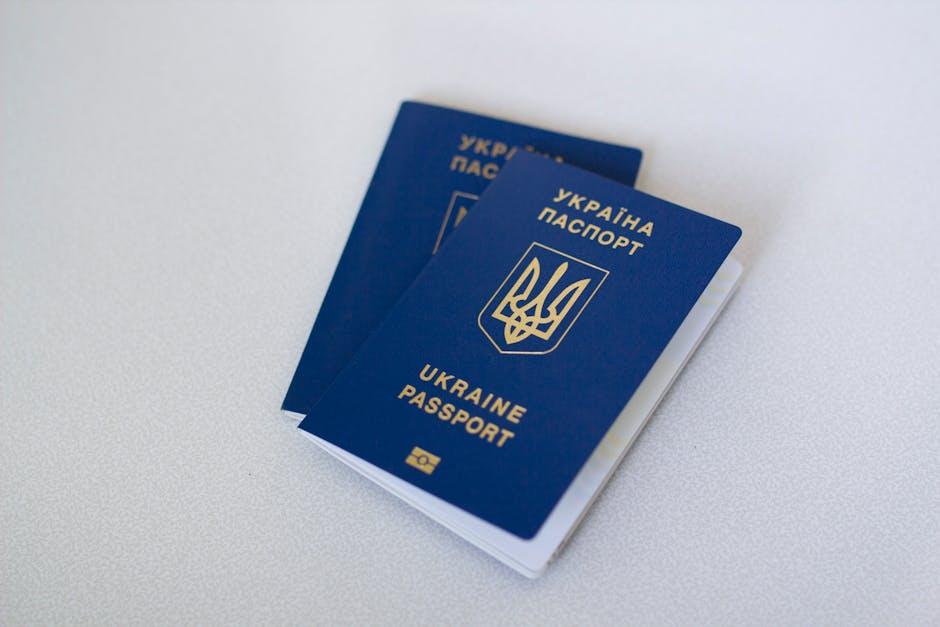
Weighing the Personal and Cultural Advantages
Holding dual citizenship often opens doors to a fusion of personal freedoms and cultural enrichment. On a personal level, it means enhanced mobility, greater access to education and healthcare systems, and a broader spectrum of economic opportunities. Imagine having the ease of travel without visa restrictions, the ability to work and live in multiple countries, and the chance to tap into diverse job markets. These benefits become even more appealing as globalization demands more fluid identities and connections beyond geographic borders.
Culturally, dual citizenship can deepen one’s sense of belonging as it nurtures ties to heritage while embracing new traditions. This dual identity invites a richer worldview, blending perspectives that shape tolerance and adaptability. Consider how bilingualism, cross-cultural celebrations, and a wider network of family and friends add vibrant layers to daily life. Below is a quick glimpse at how dual citizenship bridges these cultural and personal domains:
| Aspect | Personal Advantages | Cultural Advantages |
|---|---|---|
| Mobility | Visa-free international travel | Access to cultural events abroad |
| Opportunities | Work and study in two countries | Immersion in diverse customs |
| Identity | Broader societal inclusion | Enhanced bilingual and multicultural skills |
- Personal freedom: Increased autonomy in lifestyle choices.
- Cultural ties: Preservation and celebration of heritage.
- Community connections: Expanded social networks across borders.
Financial Considerations and Tax Implications
Managing finances across two countries introduces unique complexities that dual citizens must navigate with care. Income earned abroad may be subject to taxation in both nations, depending on local laws and existing tax treaties. It’s essential to understand the obligations in each jurisdiction to avoid unexpected penalties or double taxation. Financial planning should also consider currency exchange fluctuations, differing banking regulations, and potential reporting requirements, such as the Foreign Account Tax Compliance Act (FATCA) for U.S. citizens.
When it comes to tax implications, several key factors play a crucial role:
- Tax residency status: Determines where you owe taxes and which income is taxable.
- Tax treaties: Can provide relief by preventing income duplication and easing reporting burdens.
- Reporting requirements: Dual citizens must often declare foreign income and assets to both countries.
| Country | Tax Residency Criteria | Common Tax Challenges |
|---|---|---|
| Country A | 183 days/year presence | Double taxation, asset declaration |
| Country B | Permanent home test | Currency exchange issues, FATCA compliance |
Managing Responsibilities Across Borders
Balancing duties across two nations demands a keen understanding of both legal frameworks and cultural nuances. Often, managing taxes, voting rights, and civic obligations requires careful coordination between countries—each with its own expectations and deadlines. Effective planning ensures that dual citizens can honor commitments without legal pitfalls, while also embracing the unique privileges each citizenship offers.
Moreover, logistical challenges such as healthcare access, education choices for children, and property ownership need holistic consideration. To navigate these complexities, dual citizens frequently develop personalized strategies that might include:
- Utilizing international tax treaties to minimize liabilities
- Keeping thorough records of residency and income sources
- Engaging with consular services to stay informed of changing laws
- Maintaining open communication with family members across borders
| Responsibility | Country A | Country B |
|---|---|---|
| Tax Filing | Annually by April 30 | Semi-annually by June 15 & Dec 15 |
| Voting | In-person ballot only | Mail-in or online permitted |
| Healthcare Registration | Mandatory upon residency | Voluntary enrollment |
Practical Tips for a Smooth Dual Citizenship Experience
To make the most of your dual citizenship, start by organizing your documents meticulously. Keep your passports, birth certificates, and any official correspondences in a dedicated folder—digitally and physically. This will save you time and reduce stress when navigating bureaucratic processes. Additionally, familiarize yourself with the legal obligations in both countries, such as tax regulations or military service requirements. Staying informed helps prevent unexpected complications and ensures your rights and responsibilities are balanced effectively.
Networking with fellow dual citizens can be invaluable. Joining expat groups or forums provides practical insights and up-to-date information tailored to your unique situation. Consider these quick tips:
- Stay proactive: Monitor expiration dates on all identification documents regularly.
- Consult specialists: Engage immigration lawyers or financial advisors experienced in dual citizenship cases.
- Understand cultural nuances: This eases integration and deepens your connection to both homelands.
| Challenge | Proactive Solution |
|---|---|
| Conflicting tax obligations | Consult dual-country tax professionals |
| Renewal of documents | Set calendar reminders for early renewal |
| Language barriers | Enroll in language courses or use apps |
To Wrap It Up
In the intricate dance of dual citizenship, the steps are both inviting and intricate. Embracing two nations opens doors to richer cultural tapestries, broader opportunities, and a deeper sense of belonging. Yet, it also calls for careful navigation through legal complexities and personal responsibilities. As you weigh the scales of benefits and challenges, remember that dual citizenship is more than a status—it’s a journey of identity, choice, and connection. Whether it leads you to new adventures or thoughtful reflection, the path is uniquely yours to chart.