In an increasingly interconnected world, the concept of identity extends beyond borders and passports. Dual citizenship, once a rare legal status, has become a compelling reality for millions seeking to weave together the threads of multiple nations into a single tapestry of belonging. This unique position offers a spectrum of benefits—from expanded opportunities and cultural enrichment to diplomatic protections—yet it also carries a web of complexities that can challenge even the most seasoned globetrotters. This article embarks on a journey through the nuanced landscape of dual citizenship, exploring the advantages it bestows and the legal, social, and practical considerations that must be navigated along the way.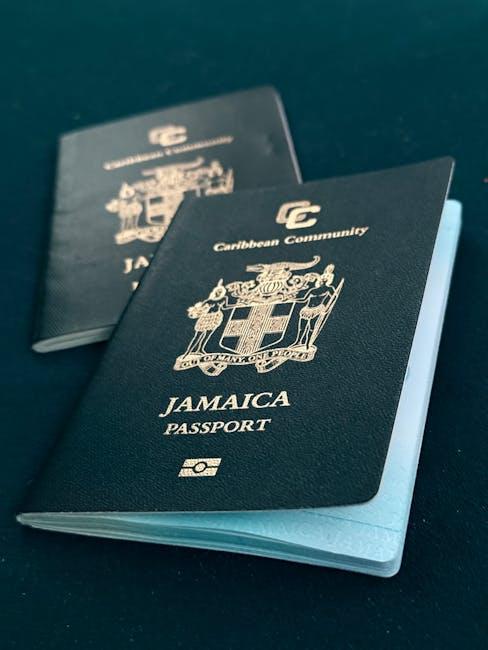
Understanding the Legal Landscape of Dual Citizenship
Dual citizenship operates at the intersection of multiple legal systems, making it a complex yet fascinating area. While some countries welcome dual nationality, others impose restrictions or conditions that can impact rights and responsibilities. Understanding these nuances requires awareness of how different governments view allegiance, taxation, and conscription. For instance, certain nations may require dual citizens to choose one nationality upon reaching adulthood, while others allow unrestricted retention of multiple passports.
Common legal considerations include:
- Tax obligations: Some countries tax global income, affecting dual citizens abroad.
- Military service: Mandatory conscription policies can vary significantly.
- Political participation: Voting rights and eligibility for office may differ.
- Travel documentation: Rules on which passport to use entering or leaving a country.
| Country | Dual Citizenship Allowed | Notable Restriction |
|---|---|---|
| Canada | Yes | None major |
| Japan | Temporarily | Must choose by age 22 |
| India | No | OCI card option only |
| United States | Yes | Global taxation |

Weighing the Advantages of Holding Two Passports
Holding two passports unlocks a unique set of benefits that extend beyond simple travel convenience. Dual citizenship can elevate your global mobility, allowing you to cross borders with ease and often bypass restrictive visa requirements. This flexibility is invaluable for frequent travelers, business professionals, or anyone with multinational ties. Additionally, dual passport holders may gain access to multiple social services, healthcare systems, and educational opportunities that can significantly enhance quality of life. In a constantly globalizing world, this status can serve as a powerful hedge against political or economic instability in one country.
Here are some key advantages to consider:
- Broader Employment Options: Access to job markets in two different countries without the need for work permits.
- Tax Optimization: Ability to choose between tax regimes, depending on residency and citizenship laws.
- Political Participation: Voting rights and eligibility to hold public office in both nations.
- Inheritance Benefits: Simplified legal procedures related to estate and property inheritance across borders.
| Benefit | Impact |
|---|---|
| Healthcare Access | Use health services in either country, often with resident-level benefits. |
| Educational Privileges | Eligibility for in-state tuition and scholarships. |
| Consular Support | Protection and assistance from embassies in either country. |
Navigating Tax Obligations and Financial Responsibilities
Holding dual citizenship often means juggling the tax systems of two countries, each with its own set of rules, deadlines, and reporting requirements. This dual responsibility can quickly become complex, especially when it comes to income earned abroad, foreign bank accounts, and assets. For example, U.S. citizens are required to report their global income to the IRS, regardless of where they live, while other countries may use different criteria for taxation. It’s crucial to understand that failing to comply could result in penalties, fines, or audits that may disrupt your financial peace of mind.
To manage these obligations effectively, consider strategies such as:
- Tax treaty benefits that can prevent double taxation between your two countries.
- Filing comprehensive financial disclosures like the Foreign Bank Account Report (FBAR) if applicable.
- Consulting cross-border tax specialists who are familiar with both tax jurisdictions.
| Country | Tax Reporting Requirement | Common Compliance Challenge |
|---|---|---|
| United States | Worldwide income reporting | Complex FBAR filings |
| Canada | Tax on global income if resident | Determining residency status |
| Australia | Declare foreign income | Understanding exemptions |
Balancing Cultural Identity and Social Integration
Embracing two national identities often requires an intricate dance between retaining one’s unique cultural heritage and blending into a new societal framework. This balance fosters a dynamic sense of self where traditions and modern influences coalesce, shaping a rich personal narrative. Individuals with dual citizenship frequently find themselves navigating festivals, languages, and customs that reflect their multifaceted lives. While cultural grounding can provide emotional stability and pride, it requires conscious effort to maintain amid the pressures of assimilation and societal expectations.
The journey toward seamless integration is dotted with both opportunities and challenges, which vary widely depending on community acceptance and individual adaptability. Key elements that support successful integration include:
- Access to cultural networks: connecting with familiar institutions or groups.
- Language proficiency: mastering the host country’s language to facilitate communication.
- Respectful cultural exchange: sharing traditions in ways that invite mutual appreciation.
- Legal rights awareness: understanding the protections and obligations that dual citizenship entails.
These factors empower dual citizens to craft identities that honor their origins while fully participating in their new environments, ultimately enriching the social fabric of both nations.
Practical Tips for Managing Dual Citizenship Challenges
Effectively balancing the responsibilities and opportunities of dual citizenship requires a proactive approach. Start by staying informed about the laws and obligations in both countries, especially those related to taxation and military service. Create a personal calendar for important deadlines such as tax filings, passport renewals, and voting registrations to avoid any legal pitfalls. Additionally, maintaining organized documentation like dual passports, residency permits, and proof of tax payments can save significant time and stress when crossing borders or engaging with government agencies.
- Schedule regular consultations with legal or tax professionals familiar with dual citizenship complexities to stay updated on changes.
- Keep digital copies of all important documents securely backed up in case of loss or emergency.
- Learn the cultural nuances of both countries to seamlessly navigate social and professional environments.
| Challenge | Practical Solution |
|---|---|
| Double Taxation | Use tax treaties and consult with experts to optimize filing processes. |
| Legal Conflicts | Understand each country’s laws and keep updated on any legislative changes. |
| Travel Restrictions | Ensure both passports are valid and familiarize yourself with visa requirements. |
Above all, cultivating patience and flexibility is essential. Dual citizenship often means navigating two sets of bureaucracies and sometimes conflicting responsibilities. Building a strong network with other dual citizens and participating in relevant community groups can provide not only emotional support but practical advice and shared experiences. This also helps in staying connected to cultural roots, which can ease the personal complexities that arise from holding allegiance to two nations. Remember, managing dual citizenship successfully is as much about embracing its challenges as it is about leveraging its benefits.
In Conclusion
In the intricate dance of dual citizenship, the steps may be complex, but the rhythm holds promise. Embracing multiple identities opens doors to new opportunities, cultural enrichment, and global mobility. Yet, it also invites careful consideration of legal obligations, tax implications, and personal ties. As the world grows ever more interconnected, navigating the benefits and complexities of dual citizenship becomes a journey worth taking—with eyes open, informed, and attuned to the subtle harmonies of belonging. Ultimately, it’s a story of balance, choice, and the evolving nature of identity in a global age.