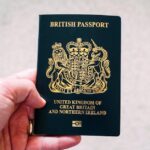
In an increasingly interconnected world, the concept of belonging to more than one nation is no longer a rarity but a growing reality. Dual citizenship, a status that bestows upon individuals the rights and responsibilities of multiple countries, opens doors to a mosaic of opportunities and complex dilemmas. This article embarks on a journey through the multifaceted landscape of dual citizenship, unpacking its unique benefits, confronting its inherent challenges, and exploring its profound impact on identity, mobility, and global relations. Whether driven by heritage, opportunity, or necessity, navigating dual citizenship is an evolving experience that calls for thoughtful understanding and careful consideration.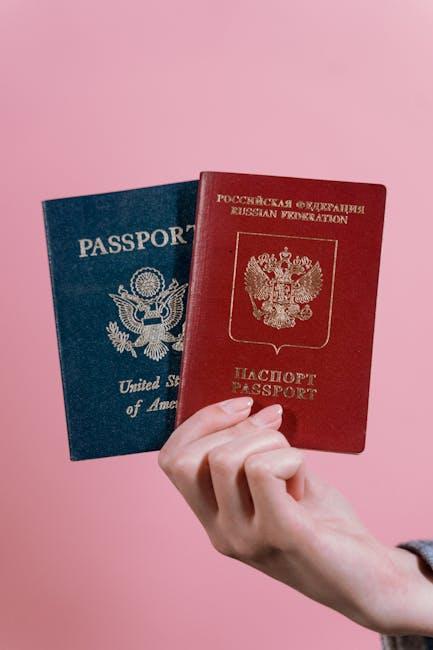
Understanding the Legal Landscape of Dual Citizenship
The concept of holding citizenship in two countries simultaneously introduces a complex web of legal considerations that vary widely across the globe. Each nation has its own framework determining how dual citizenship is recognized or restricted. For some, it’s embraced as a way to foster global integration and enrich cultural ties, while others view it through a lens of caution, prioritizing loyalty and legal consistency. Navigating these laws requires an understanding of national regulations, including eligibility criteria, tax obligations, and military service requirements.
Key factors to keep in mind include:
- Exclusive Rights: Certain privileges, such as voting or holding public office, may be limited to single citizenship holders.
- Renunciation Rules: Some countries mandate renouncing prior citizenship(s) upon naturalization.
- Tax Agreements: Double taxation treaties can impact financial responsibilities.
| Country | Dual Citizenship Allowed | Key Restriction |
|---|---|---|
| Canada | Yes | None |
| Japan | No | Renounce Other Citizenship by 22 |
| Germany | Limited | Allowed within EU, strict outside |
Weighing the Personal and Professional Benefits
Holding dual citizenship opens a gateway to a unique blend of personal advantages that enrich your life beyond borders. On a personal level, it provides the opportunity to stay deeply connected to your cultural roots while embracing new traditions. This dual identity can foster a broader worldview, increased language skills, and a greater sense of belonging in multiple communities. Family ties can be strengthened, especially when navigating residency options, healthcare benefits, and education opportunities that are accessible in both countries. Moreover, travel is simplified, often requiring no visas, which means spontaneous adventures or urgent visits become much easier to arrange.
Professionally, dual citizenship unlocks doors that might otherwise remain closed. It enhances employability by allowing individuals to work legally in two countries, potentially enjoying tax benefits and access to social security systems in both nations. It also empowers entrepreneurs to expand their ventures across borders, leveraging access to diverse markets and workforce pools. The flexibility in professional mobility often translates into a competitive edge in global industries. Consider this quick look at professional perks:
- Unrestricted work authorization: No need for costly permits or sponsorships.
- Access to multiple social security networks: Retirement and healthcare benefits dual advantage.
- Broader business opportunities: Easier cross-border investments and operations.
- Networking across cultures: Cultivating global professional relationships.
Overcoming Common Challenges and Pitfalls
Balancing the responsibilities and benefits of holding dual citizenship often means navigating a maze of legal, cultural, and administrative hurdles. One of the most frequent challenges is understanding and complying with tax obligations in both countries, which can be daunting without professional advice. Another common pitfall includes conflicting legal expectations, such as mandatory military service or restrictions on certain professions, which require careful attention and timely planning to avoid penalties. Additionally, maintaining strong ties to both countries while managing potential language barriers and cultural differences can test even the most resilient individuals.
To ease this journey, consider the following strategies:
- Stay informed: Regularly review legal changes related to citizenship, taxes, and property ownership.
- Seek expert guidance: Consult immigration lawyers or tax advisors familiar with both nations.
- Prioritize communication: Engage with community support groups or expatriate networks for shared experiences and advice.
- Document diligently: Keep organized records of all citizenship applications, renewals, and official correspondence.
| Challenge | Potential Impact | Suggested Solution |
|---|---|---|
| Tax Confusion | Double taxation or penalties | Hire a cross-border tax specialist |
| Military Service | Legal obligation or fines | Request exemption or deferment |
| Legal Conflicts | Loss of citizenship rights | Thorough legal consultation |
| Cultural Strain | Identity confusion or isolation | Engage in cultural communities |
Balancing Dual Loyalties in a Globalized World
Juggling allegiances to two nations often means navigating a complex web of identity, culture, and responsibility. While dual citizens cherish the opportunity to celebrate diverse heritages, they also face moments where their loyalties are tested—whether in matters of political engagement, tax obligations, or social expectations. This balancing act requires a keen awareness of both legal boundaries and emotional ties, making the experience uniquely challenging yet profoundly enriching. The key lies in embracing multiplicity without diluting commitment, allowing individuals to thrive within both cultures simultaneously.
Consider the following factors that influence the dynamic of dual loyalty:
- Legal Rights vs. Duties: Understanding where rights end and responsibilities begin in each country.
- Cultural Identity: Honoring traditions and values from both backgrounds without conflict.
- Political Participation: Deciding when and where to engage, which can sometimes lead to difficult choices.
- Emotional Connection: Retaining a genuine bond to each community that transcends citizenship documents.
| Aspect | Opportunity | Challenge |
|---|---|---|
| Travel & Mobility | Access to diverse visa-free travel zones | Conflicting travel restrictions or exit requirements |
| Political Rights | Ability to vote in two countries | Potential conflict in political stances |
| Tax Obligations | Access to financial benefits or tax treaties | Complexity in filing dual tax returns |
Practical Tips for Managing Rights and Responsibilities
Balancing the privileges and duties that come with dual citizenship requires both awareness and organization. Start by maintaining clear documentation of your status in each country, including passports, residency permits, and any legal obligations tied to each nationality. Keep tabs on deadlines for tax filings, voting registrations, and mandatory service, ensuring you don’t unintentionally fall out of compliance. Utilizing digital tools like calendars or apps designed for expats can simplify this juggling act.
Effective communication with local authorities and legal advisors in both countries safeguards your interests and helps you stay informed about changing regulations. Consider these actionable tips:
- Stay updated on laws affecting citizenship, taxation, and property ownership.
- Seek professional advice when making major decisions such as employment or inheritance.
- Respect cultural expectations and civic duties to foster positive relations within each community.
| Responsibility | Typical Requirement | Tip |
|---|---|---|
| Tax Filing | Annual declaration | Consult a tax specialist |
| Voting | Register before election | Mark calendar reminders |
| Military Service | Age-based requirement | Check deferment options |
To Wrap It Up
As the world grows ever more interconnected, dual citizenship stands as both a bridge and a crossroads—offering expansive opportunities while demanding thoughtful navigation. Embracing the benefits means unlocking new horizons, yet acknowledging the challenges ensures a well-informed journey. Ultimately, dual citizenship is more than a legal status; it is a dynamic identity, a testament to our increasingly global lives and the complex tapestry of belonging in the 21st century. Whether it’s a passport or a perspective, understanding its impact is the first step toward truly making the world feel like home.