In a world increasingly defined by borders that blur and identities that intertwine, dual citizenship emerges as both a passport and a puzzle. It offers a unique vantage point—an opportunity to embrace the cultures, rights, and responsibilities of two nations simultaneously. Yet, behind the allure of expanded horizons lies a landscape marked by legal intricacies, emotional dilemmas, and practical hurdles. Navigating dual citizenship is more than a bureaucratic process; it’s a journey through a complex mosaic of benefits, challenges, and lived realities. This article sets out to explore that terrain, shedding light on what it truly means to belong—to two places at once.
Understanding the Legal Landscape of Dual Citizenship
Dual citizenship exists within a complex web of international laws, treaties, and national policies, making it essential to understand the legal nuances before embarking on this path. While some countries freely accept and recognize dual nationality, allowing citizens to enjoy rights and responsibilities in both, others impose strict regulations or outright prohibit holding multiple citizenships. This legal diversity is shaped by historical, political, and social factors, which can affect everything from taxation to military service obligations. Key legal considerations include:
- Eligibility criteria and naturalization requirements
- Potential conflicts of law affecting passports and identity documents
- Taxation implications in both countries
- Obligations like mandatory military service or voting duties
To better illustrate the contrast, here’s a brief comparison of dual citizenship policies in select countries:
| Country | Dual Citizenship Allowed | Notable Conditions |
|---|---|---|
| Canada | Yes | Citizens can maintain multiple nationalities without restrictions. |
| China | No | Acquiring foreign nationality results in automatic loss of Chinese citizenship. |
| Germany | Rarely | Dual citizenship permitted mainly for EU citizens or with special approval. |
| Australia | Yes | Dual citizens enjoy full rights but must disclose foreign citizenship when applying for public office. |
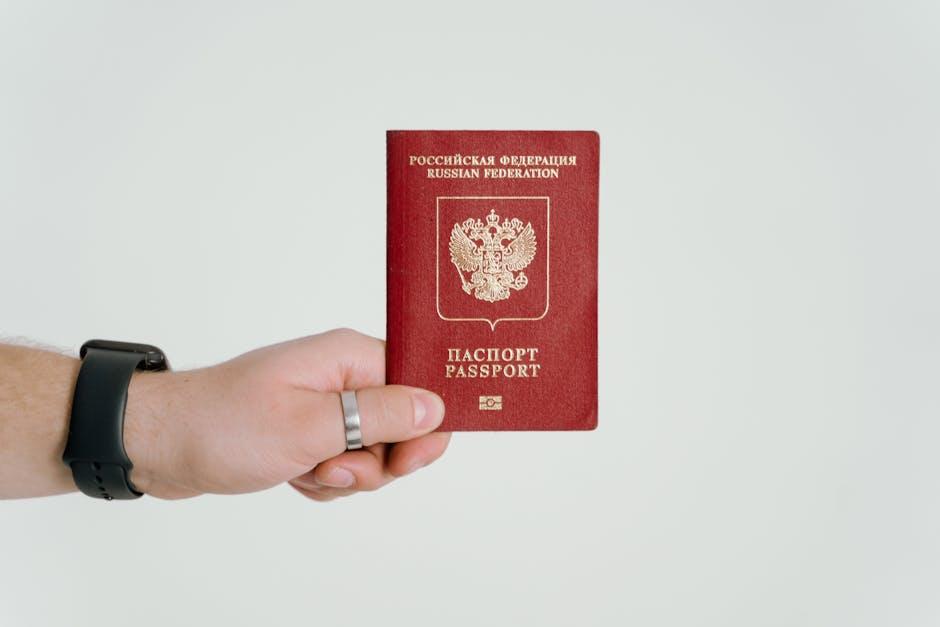
Weighing the Economic and Social Advantages
Holding dual citizenship opens a unique door to economic opportunities that many single-national citizens might miss out on. Individuals can leverage access to multiple job markets, with the ability to work legally in more than one country without the need for complex visa arrangements. This flexibility often translates into a wider array of career options, potential for higher income, and the ability to invest across diverse economic landscapes. Moreover, from a business perspective, dual citizens can operate companies or hold property in each country more easily, breaking down barriers that traditionally limit cross-border commerce and fostering entrepreneurial growth.
On a social level, dual citizenship enriches cultural identity and community integration. It fosters a sense of belonging in two worlds, enabling individuals to participate fully in the social and cultural fabric of both countries. This often includes access to social security benefits, healthcare, and education systems, which can significantly enhance quality of life. The table below highlights some key social and economic benefits contrasted with common challenges faced by dual citizens, helping to balance the complex equation that comes with this status.
| Advantages | Considerations |
|---|---|
| Work & Trade Access in multiple countries | Potential tax obligations in both nations |
| Eligibility for social benefits like healthcare | Must navigate legal complexities over dual rights and duties |
| Cultural enrichment and greater global perspective | Possible identity conflicts between allegiances |
| Investment opportunities across borders | Challenges in maintaining compliance with both countries’ laws |
Addressing Common Challenges and Misconceptions
Many individuals considering dual citizenship are often met with a maze of myths and misunderstandings that can cloud their decision-making process. A prevalent misconception is that dual citizenship automatically doubles tax obligations or mandates compulsory military service in both countries. However, tax responsibilities largely depend on bilateral agreements between nations, and many countries offer exemptions or credits. Similarly, military service requirements vary widely and are often waived or deferred for dual nationals. It’s crucial to research specific country policies rather than rely on generalized assumptions.
Another challenge some face is the complexity of legal rights and responsibilities that come with holding two passports. Navigating immigration laws, voting rights, and property ownership can sometimes be overwhelming without proper guidance. Consider the following quick overview of common challenges:
- Diplomatic Protection – Understanding which country can offer assistance abroad.
- Legal Conflicts – Resolving contradictory laws between countries.
- Travel Restrictions – Recognizing which passport offers more lenient entry into certain regions.
| Common Myth | Reality |
|---|---|
| “Dual citizens double their taxes.” | Most countries have tax treaties preventing double taxation. |
| “Military duty is required in both nations.” | Many countries exempt or defer dual nationals from double service. |
| “Dual citizenship leads to loss of original nationality.” | Some countries allow retention; others have restrictions. |
Practical Tips for Managing Dual Citizenship Responsibilities
Balancing the legal and cultural obligations of two nations requires more than just paperwork. Prioritize staying informed about tax regulations, voting requirements, and military service obligations in both countries. Set up organized digital folders for important documents such as passports, birth certificates, and residency permits to avoid last-minute scrambles. Consider scheduling annual reviews to assess changes in each country’s policies, ensuring your compliance remains current and effortless.
Another vital aspect is fostering a connection to both cultures without becoming overwhelmed. Maintain a routine that encompasses language practice, cultural events, and news updates from both homelands. This not only enriches your identity but also helps streamline communication with government agencies and community groups. Use this checklist for ongoing management:
- Set reminders for visa renewals and tax deadlines.
- Engage local representatives for legal and cultural guidance.
- Keep emergency contacts in both countries updated.
- Participate in community forums to share experiences and insights.
| Responsibility | Recommended Action |
|---|---|
| Tax Filing | Hire a dual-citizenship-aware accountant |
| Voting | Register with consulates or embassies |
| Travel Documents | Check both passports’ validity yearly |
| Civic Participation | Join cultural associations or forums |
Planning for the Future with Dual National Identities
Embracing dual national identities means crafting a life that bridges cultures and governments, opening up a wealth of opportunities for personal growth and global mobility. When planning ahead, it’s crucial to weigh how having two passports can influence your career prospects, international education options, and even retirement plans. The flexibility to live, work, or study in two countries creates pathways to expanded networks and diverse experiences, fostering a uniquely enriched worldview. Yet, this future-oriented mindset requires a proactive approach, as navigating legal requirements and tax obligations takes foresight and careful organization.
To effectively manage the complexities of dual citizenship, it helps to consider several practical areas where your future self will thank you:
- Legal Responsibilities: Staying compliant with the laws of both countries, which can differ dramatically in terms of taxation, military service, or voting rights.
- Financial Planning: Managing assets, banking, and retirement schemes across borders requires strategic financial advice to optimize benefits and minimize liabilities.
- Documentation and Renewal: Keeping passports, visas, and any residency permits up-to-date to ensure uninterrupted travel and residency rights.
| Aspect | Potential Benefit | Key Consideration |
|---|---|---|
| Education | Access to universities and scholarships in both countries | Residency requirements for tuition benefits |
| Employment | Broader job market and work rights | Tax filing in multiple jurisdictions |
| Healthcare | Eligibility for public healthcare systems | Understanding coverage limitations abroad |
The Way Forward
In the intricate dance of dual citizenship, the steps are as varied as the individuals who embark on this journey. Embracing the privileges of multiple homelands offers a tapestry woven with opportunity, identity, and connection. Yet, beneath the surface lies a complex rhythm of legalities, obligations, and cultural nuances that demand thoughtful navigation. As the world grows smaller and borders blur, understanding the benefits, challenges, and realities of dual citizenship becomes not just an option, but a necessity for those seeking to harmonize the many threads of their global lives. Whether a bridge or a balancing act, dual citizenship is ultimately a personal voyage—one that invites us to explore what it means to belong, across worlds and within ourselves.