
In a world increasingly defined by borders crossed and cultures blended, the concept of dual citizenship emerges as both a bridge and a balancing act. It promises the allure of doubled opportunities—access to diverse lands, rights, and identities—while also presenting a labyrinth of legal intricacies and personal dilemmas. Navigating dual citizenship is neither a simple passport stamp nor a straightforward status; it is a journey into the heart of identity, belonging, and sovereignty. This article delves into the multifaceted reality of holding two nationalities, unpacking the benefits, exploring the challenges, and shedding light on what it truly means to live between worlds.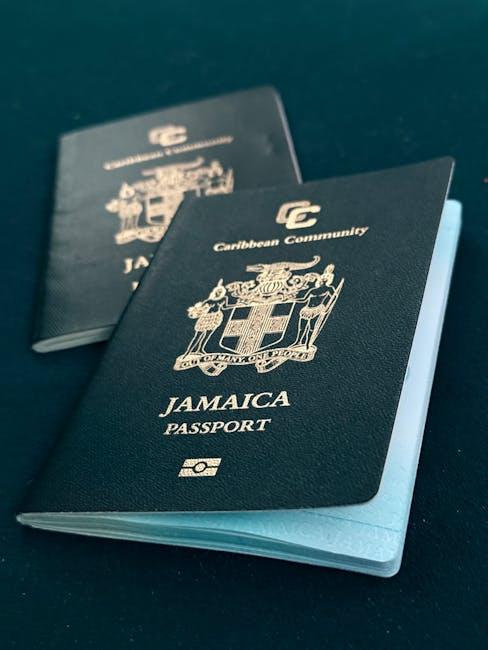
Understanding Dual Citizenship Through Legal and Cultural Lenses
Dual citizenship often presents a fascinating intersection where legal frameworks meet cultural identities. Legally, it involves complex considerations such as compliance with the laws of multiple nations, obligations like taxes or military service, and rights including voting or property ownership. However, beyond legalities, dual citizenship also captures a deeper cultural reality—individuals navigating *two worlds* often experience a unique blend of traditions, languages, and societal expectations. This dual belonging can enrich personal identity but may also lead to challenges in emotional allegiance and community acceptance.
Consider the following cultural and legal dynamics at play:
- Legal responsibilities: Jurisdictional conflicts and dual taxation concerns.
- Cultural integration: Balancing heritage with assimilation in each country.
- Identity formation: Developing a multi-layered sense of self influenced by both nations.
- Social perceptions: Navigating stereotypes or expectations in each cultural context.
| Aspect | Potential Benefit | Possible Challenge |
|---|---|---|
| Travel & Mobility | Access to multiple passports | Complex visa regulations |
| Legal Rights | Dual voting rights | Conflicts in statutory obligations |
| Cultural Identity | Greater cultural richness | Identity conflicts |

Weighing the Tangible Benefits and Hidden Costs of Dual Nationality
Embracing dual nationality opens doors to numerous practical advantages that ease life across borders. From simplified travel through multiple passports to the ability to live, work, or study in two countries with fewer restrictions, dual citizenship can enhance personal freedom and economic opportunities. Additionally, it often provides access to healthcare, social benefits, and retirement options in both nations, allowing individuals to tailor their lifestyles more effectively. These tangible benefits make dual nationality particularly appealing in our increasingly globalized society.
However, beneath these perks lie several less obvious drawbacks that merit careful consideration. Dual nationals may face complex tax obligations, requiring compliance with multiple jurisdictions, which can lead to unexpected financial burdens. There’s also the possibility of conflicting legal responsibilities or allegiances, sometimes complicating civic duties like military service or voting rights. The table below summarizes some of the key advantages and potential challenges, highlighting the need to weigh both sides realistically before committing to dual citizenship.
| Benefits | Hidden Costs |
|---|---|
| Access to multiple job markets | Double taxation risks |
| Freedom of movement | Military service obligations |
| Broader social and health benefits | Legal conflicts between countries |
| Inheritance and property rights | Complex administrative requirements |
Addressing Common Challenges with Practical Solutions
When managing the complexities of dual citizenship, unexpected hurdles can arise, from visa issues to conflicting tax systems. Tackling these requires a blend of informed planning and practical action. One effective strategy is maintaining clear, up-to-date records for both countries, including registrations, residency permits, and tax documents. This not only ensures compliance but also reduces the risk of legal entanglements. Additionally, consulting immigration and tax experts familiar with bilateral agreements can streamline processes and provide peace of mind.
- Stay organized: Maintain comprehensive files for each country.
- Understand dual obligations: Be aware of necessary tax filings and legal responsibilities.
- Leverage professional advice: Engage with experts who specialize in cross-border regulations.
- Communicate with authorities: Proactively provide updates to both governments to avoid misunderstandings.
| Challenge | Practical Solution | Benefit |
|---|---|---|
| Conflicting Tax Laws | Consult international tax advisor | Minimized double taxation |
| Visa and Residency Differentials | Track passport expiration & visa requirements | Uninterrupted travel |
| Legal Documentation | Maintain separate legal files | Swift resolution of disputes |
Strategies for Managing Responsibilities and Rights Across Borders
Effectively balancing the obligations and privileges tied to dual citizenship requires a strategic approach that respects the laws and cultural expectations of both nations. One useful method involves maintaining clear, organized records of legal requirements—such as tax filings, military service, and voting regulations—to avoid unintended infractions. Regular communication with consular services and legal advisors can help clarify nuances that differ between countries. Prioritizing transparency in your financial and legal affairs reduces the risk of penalties, while also reinforcing your standing as a responsible dual national.
To streamline complexities, many dual citizens develop personalized routines that address specific cross-border duties. These routines often include:
- Scheduling reminders for tax deadlines in each country
- Tracking passport validity and visa requirements
- Understanding inheritance laws and property rights abroad
- Engaging with community groups to stay informed about social obligations
Integrating these practices into daily life not only encourages compliance but also promotes a sense of identity and belonging across borders.
| Responsibility | Example | Suggested Management |
|---|---|---|
| Taxation | Filing taxes in both countries | Use dual tax treaties and hire cross-border accountants |
| Military Service | Mandatory conscription in one country | Seek exemptions or fulfill service responsibly |
| Voting Rights | Voting in national elections | Register with embassies and monitor election dates |
| Property Ownership | Inheritance laws vary | Plan legal wills respecting both jurisdictions |
Planning Ahead for a Smooth Dual Citizenship Experience
Securing dual citizenship is more than a celebratory stamp—it’s a meticulous process that rewards thoughtful organization and foresight. To ensure the journey is seamless, start by compiling all necessary documents early, including birth certificates, proof of current citizenship, and any required legal translations. Moreover, familiarize yourself with the specific requirements and timelines of each country involved. This not only prevents unexpected delays but also gives you leeway to address any unforeseen challenges without stress. Remember, being proactive is your best ally in transforming potential bureaucratic hurdles into straightforward checkpoints.
Creating a clear roadmap can be a game changer. Consider these essential strategies:
- Consult expert advice: Engage with immigration lawyers or certified consultants to clarify complex regulations.
- Maintain organized records: Use digital folders with backups to keep all documents accessible and secure.
- Schedule timelines: Track deadlines for submissions, renewals, and appointments using calendars or apps.
- Understand dual obligations: Research tax duties, military service, or voting rights linked to your dual status.
| Step | Action | Estimated Timeframe |
|---|---|---|
| 1 | Document collection & verification | 2-4 weeks |
| 2 | Legal consultation & submission prep | 1-2 weeks |
| 3 | Application filing and waiting period | 3-6 months |
| 4 | Final approval and citizenship ceremony | 1-2 months |
Wrapping Up
As we conclude this exploration of dual citizenship, it becomes clear that this legal and cultural duality is neither a simple privilege nor an insurmountable challenge—it’s a nuanced reality. The benefits promise expanded horizons and enriched identities, while the challenges remind us of the responsibilities and complexities that come with belonging to two worlds. Ultimately, navigating dual citizenship requires thoughtful consideration, an understanding of the legal landscapes involved, and a personal reflection on what it means to call more than one place home. In embracing this balance, individuals can turn the experience into a unique journey of opportunity and self-discovery.




