In an increasingly interconnected world, identity is no longer confined to a single place or passport. Dual citizenship, the legal and emotional bridge between two nations, offers individuals a unique blend of opportunities and challenges. It’s a complex dance of rights, responsibilities, and allegiances, where one must balance the privileges of belonging with the demands of loyalty. This article explores the nuanced landscape of navigating dual citizenship—how it shapes lives, influences identity, and redefines the concept of home in today’s global society.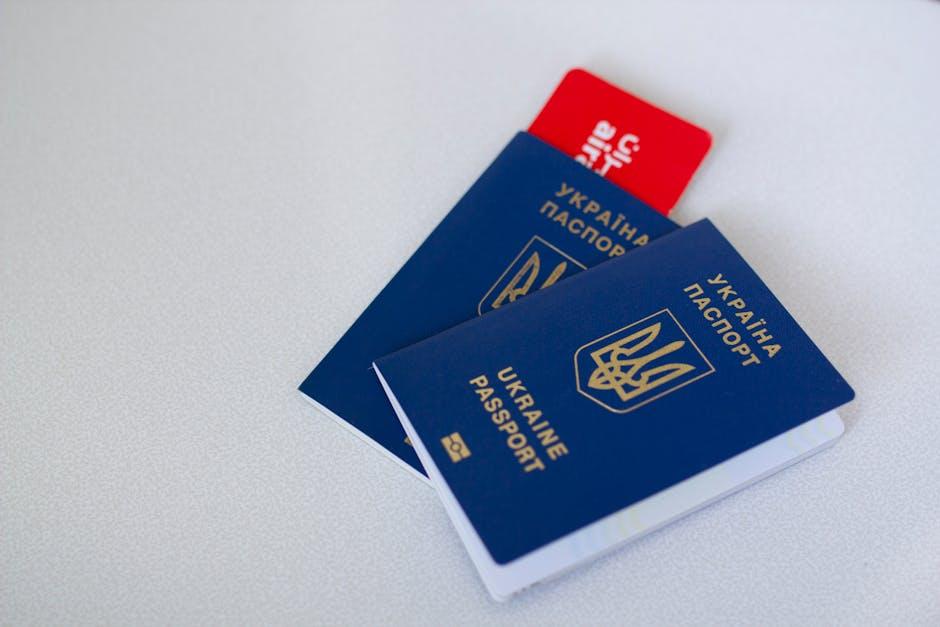
Understanding the Legal Landscape of Dual Citizenship
When stepping into the realm of dual citizenship, one is immediately met with a tapestry of legal intricacies that differ vastly across countries. The concept isn’t merely a passport shuffle; it’s a convergence of national laws, international treaties, and personal rights. Some nations embrace dual citizenship openly, recognizing the globalized world’s demands, while others maintain strict prohibitions, viewing it as a potential conflict of allegiance. It’s essential for individuals to understand that holding two nationalities may impact responsibilities such as tax obligations, military service, and voting rights, which can vary widely.
Consider the following key legal factors that often play a decisive role:
- Renunciation Policies: Whether a country requires the voluntary surrender of previous citizenship upon naturalization.
- Passport Privileges: The freedom or restrictions in traveling with one or multiple passports.
- Inheritance and Property Laws: How assets are managed or taxed under dual nationality.
- Consular Protection: Which country provides assistance abroad during crises.
| Country | Dual Citizenship Status | Notable Legal Consideration |
|---|---|---|
| Canada | Permitted | No requirement to renounce previous citizenship |
| Japan | Restricted | Obligation to choose one citizenship by age 22 |
| Brazil | Permitted | Allows multiple citizenship with some limitations |
| Saudi Arabia | Restricted | Does not recognize dual citizenship officially |
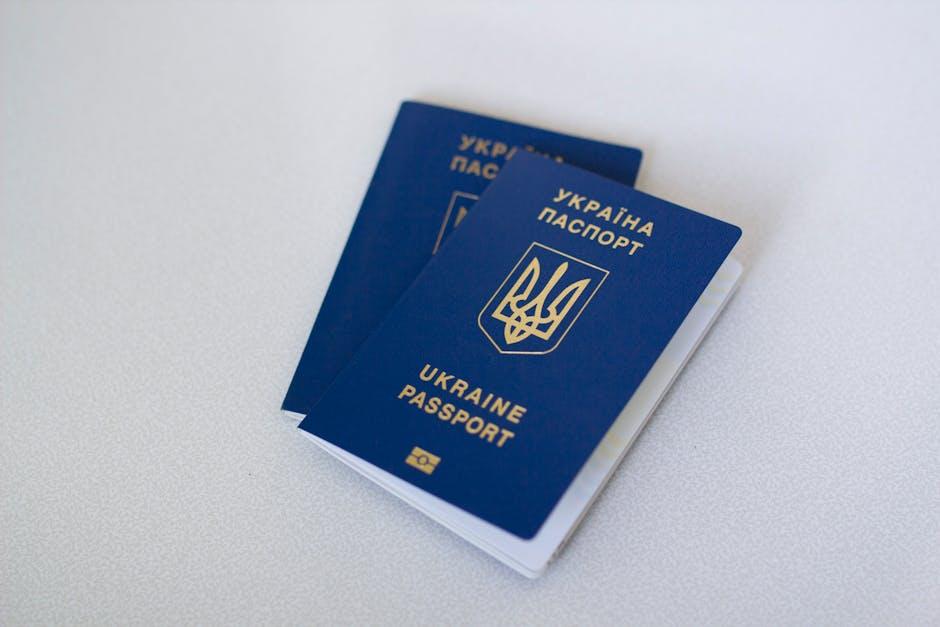
Cultural Identity and the Personal Journey of Dual Nationals
For many dual nationals, cultural identity is not a static label but a dynamic tapestry woven from the threads of two distinct heritages. This duality enriches their worldviews, offering a unique perspective that blends traditions, languages, and values. The experience can be a powerful source of pride, fostering a sense of belonging to multiple communities. Yet, it also requires ongoing negotiation between sometimes contrasting cultural expectations and norms, making the personal journey one of constant balance and adaptation. The challenge lies in embracing both identities fully without feeling divided or compromised.
Living between cultures often means navigating complex social landscapes where loyalty and customs may pull in different directions. Dual nationals typically develop a nuanced empathy, allowing them to act as bridges between disparate groups or nations. However, this dual connection can also spark internal debates about belonging and choice, especially when legal rights or civic duties differ. Below is a simple comparison highlighting core aspects dual nationals might reconcile:
| Aspect | Country A | Country B |
|---|---|---|
| Language | Official & native | Second language, familial |
| Political Rights | Voting & candidacy | Limited or conditional |
| Cultural Holidays | National celebrations | Ethnic/religious observances |
| Social Norms | Collectivist society | Individualistic society |
Managing Responsibilities: Taxation, Voting, and Civic Duties
Balancing the obligations that come with dual citizenship requires a keen understanding of the diverse demands imposed by each country. Taxation often tops the list of responsibilities, as dual citizens must navigate potentially complex tax systems and comply with both nations’ regulations. While some countries have agreements to prevent double taxation, it’s imperative to stay informed about filing deadlines, required declarations, and available credits to avoid penalties. Consulting tax professionals who specialize in cross-border regulations can provide invaluable support in managing these financial duties efficiently.
Engagement in civic duties extends beyond taxation. Exercising one’s voting rights and participating in community affairs are vital expressions of allegiance and responsibility. However, voting laws vary significantly, especially for those residing outside their country of origin, often requiring registration or special procedures to cast a ballot. Additionally, fulfilling other civic obligations such as jury service or compulsory military duties can have differing implications. Below is a simplified comparison to highlight the typical commitments dual citizens might encounter:
| Responsibility | Country A | Country B |
|---|---|---|
| Tax Filing | Annual with possible credits | Annual with income declaration |
| Voting | In-person or mail-in ballots | Registration and online voting |
| Military Service | Mandatory for males under 30 | Voluntary enlistment |
Practical Tips for Maintaining Compliance Across Borders
When living between nations, staying compliant requires a proactive approach. Begin by regularly reviewing the legal requirements in each country, especially those related to taxation, voting, and personal identification. Creating a master calendar with key deadlines for document renewals, tax submissions, and residency check-ins can help streamline these tasks. Don’t underestimate the importance of maintaining updated records of your citizenship status and travel history —these can become crucial when proof is required suddenly.
To simplify the complexities of cross-border compliance, consider these practical steps:
- Designate a trusted legal advisor knowledgeable in both countries’ laws who can offer tailored guidance.
- Leverage technology like dual-citizenship management apps to track obligations and notifications.
- Keep communication lines open with embassies or consulates to receive timely updates and assistance.
- Maintain transparency with employers and financial institutions about your citizenship status to avoid conflicts.
| Key Compliance Areas | Common Challenges | Smart Solutions |
|---|---|---|
| Taxation | Double taxation risks | Use tax treaties and professional advice |
| Document Renewals | Missed deadlines | Set digital reminders and early renewal |
| Voting Rights | Conflicting rules | Stay informed through official portals |
Embracing Opportunities: Leveraging Dual Citizenship for Global Mobility
Unlocking the benefits that dual citizenship presents requires more than just holding two passports—it involves a strategic approach to global mobility. Dual citizens can enjoy expanded access to job markets, educational opportunities, and cultural experiences across continents. This dynamic status not only reduces travel restrictions but also enhances personal and professional flexibility. From attending exclusive trade agreements to immersing oneself in diverse societies, dual citizenship acts as a key that opens doors otherwise inaccessible with a single nationality.
However, with great access comes the necessity to carefully navigate the complex web of legal rights and responsibilities. Understanding tax obligations, voting rights, and obligations such as military service becomes essential to avoid unintended consequences. Here’s a brief overview of potential considerations:
- Tax Compliance: Reporting income and assets across countries.
- Legal Protections: Knowing which country’s laws take precedence.
- Civic Duties: Balancing voting, conscription, or jury service requirements.
| Opportunity | Benefit | Potential Challenge |
|---|---|---|
| Career Flexibility | Work authorization in multiple countries | Complex visa and work permits in some cases |
| Education Access | Eligibility for scholarships and in-state tuition | Managing residency requirements |
| Travel Ease | Visa-free or visa-on-arrival destinations | Dual passport management and renewal |
The Conclusion
In the intricate dance of dual citizenship, individuals find themselves both rooted and roaming—holding the threads of two worlds in their hands. Navigating this complex identity requires more than legal know-how; it demands an understanding of cultural nuances, civic responsibilities, and personal values. As borders blur and global connections deepen, embracing dual citizenship becomes a journey of balance, adaptation, and opportunity. Ultimately, it is not just a matter of rights and paperwork, but a bridge that connects diverse lives, inviting us to explore what it truly means to belong.