In an era where borders blur and identities intertwine, dual citizenship emerges as both a passport to new possibilities and a complex web of responsibilities. From the allure of expanded travel freedoms and enriched cultural ties to the nuanced legal obligations and potential political entanglements, holding allegiance to two nations presents a fascinating balancing act. This article embarks on a thoughtful exploration of the opportunities and challenges that define the dual citizenship experience, offering insights for those navigating the intricate crossroads of belonging and identity in our interconnected world.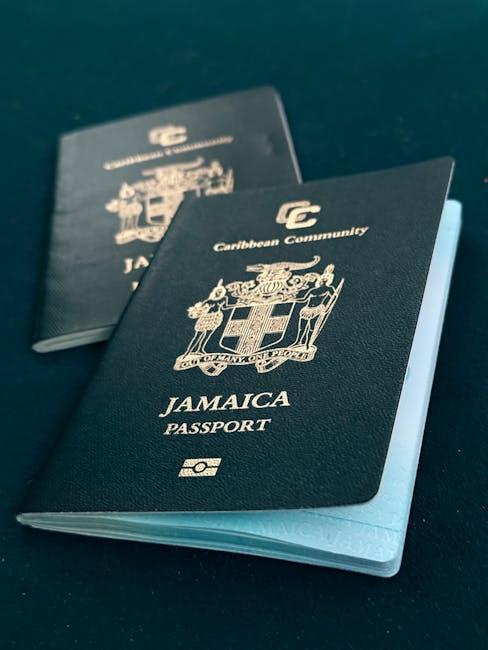
Understanding the Legal Landscape of Dual Citizenship
Venturing into the realm of holding two nationalities unveils a multifaceted legal framework that varies dramatically across the globe. While some countries embrace dual citizenship with open arms, recognizing it as a bridge to global connectivity and personal freedom, others impose strict limitations or outright bans. This mosaic of policies means that understanding where and how dual citizenship is permitted is crucial—often dictating eligibility, rights, and even obligations. Issues such as mandatory military service, taxation, and political participation can shift depending on each country’s stance, making it essential for individuals to conduct thorough legal research before pursuing or maintaining multiple national affiliations.
Beyond the legal permissions, dual citizenship also brings about a complex set of responsibilities and considerations that go beyond mere paperwork. Factors to keep in mind include:
- Compliance with local laws: Some nations require full disclosure of dual citizenship status, while others do not.
- Taxation policies: Obligations may extend to both countries, requiring expert navigation to avoid penalties.
- Civic duties: Voting rights, jury duty, or conscription can be influenced by dual nationality status.
| Country | Dual Citizenship Policy | Key Restriction |
|---|---|---|
| Canada | Permitted | None |
| Japan | Generally Not Permitted | Must choose by age 22 |
| Germany | Limited Permitted | Requires special permission |

Balancing Identity and Belonging in Two Worlds
Living between two distinct cultures often means navigating a complex tapestry of identity. For many dual citizens, the sense of self is continuously shaped by the values, traditions, and social norms of both countries. This dynamic interplay can lead to a rich, multifaceted identity that embraces diversity. However, the challenge lies in harmonizing these sometimes contrasting cultural expectations without losing a coherent sense of belonging. Balancing personal identity in this context demands both emotional flexibility and a deep understanding of the nuances that each culture brings.
Moreover, the journey of belonging is affected by external perceptions and social acceptance in both homelands. One may face moments of feeling “too foreign” in one country and “not foreign enough” in the other. To better illustrate the nuances of this experience, consider the table below, which highlights common feelings encountered by dual citizens in each world:
| Feeling | In Homeland A | In Homeland B |
|---|---|---|
| Acceptance | Strong community ties but cultural expectations | Curiosity from locals but occasional exclusion |
| Identity | Deep historical roots | Emerging identity shaped by adaptation |
| Belonging | Sense of heritage pride | Seeking social integration |
- Embrace the fluidity of cultural identity as an evolving process rather than a fixed state.
- Develop personal rituals that honor both cultures to create a unique sense of self.
- Build communities that reflect shared experiences of dual nationals for mutual support.
Economic Advantages and Financial Considerations
Dual citizenship can unlock a realm of economic benefits that are often overlooked. Access to multiple job markets, the ability to own property without restrictions, and eligibility for diverse business grants or tax incentives are just a few perks making this status financially attractive. Furthermore, individuals can leverage the economic stability of one country while exploring investment opportunities in another, mitigating risks through diversified portfolios and international banking options.
However, financial considerations must be balanced carefully. Dual citizens may encounter complex tax obligations including reporting requirements and potential liability in more than one jurisdiction. Understanding treaties between countries and seeking professional advice is essential to navigate these intricacies effectively. Below is a simplified comparison of tax implications for dual citizens in common scenarios:
| Scenario | Country A Tax | Country B Tax | Notes |
|---|---|---|---|
| Income Earned in Country A | Standard Rate | Possibly Taxed | Check Double Taxation Treaty |
| Investment Dividends Abroad | Domestic Tax + Withholding | May Grant Credits | Varies by Treaty & Residency |
| Property Rental Income | Taxed Locally | Tax Reporting Required | Seek Expert Advice |
- Banking flexibility – Multiple accounts facilitate smoother international transactions
- Estate planning – Dual citizenship can complicate inheritance laws
- Cost of maintenance – Passport renewals, legal fees, and compliance expenses
Navigating Tax Obligations and Compliance
Dual citizenship comes with a complex web of tax responsibilities that vary widely depending on the countries involved. Citizens often find themselves juggling different fiscal calendars, reporting standards, and tax rates, making compliance a formidable challenge. Understanding the tax laws in both nations is essential to avoid unexpected liabilities or penalties, especially since some countries tax worldwide income while others adopt a territorial approach.
Key considerations include:
- Filing requirements: Knowing when and where to declare income to avoid double taxation.
- Tax treaties: Leveraging agreements between countries to reduce or eliminate duplicate taxes.
- Foreign asset reporting: Complying with disclosure rules for assets held abroad.
- Currency and exchange rate implications: Calculating tax obligations accurately across different monetary systems.
| Country | Taxation Model | Common Challenge |
|---|---|---|
| USA | Global Income Taxation | Annual FATCA reporting |
| Canada | Residence-Based Taxation | Determining tax residency status |
| Germany | Worldwide Income | Complex tax treaties |
Successfully navigating these obligations requires a proactive approach, often involving professional advice and continuous education. Staying informed about policy changes and maintaining meticulous records will help dual citizens manage their tax landscape effectively, turning what could be a burden into a manageable part of their international identity.
Practical Tips for Managing Dual Citizenship Responsibilities
Balancing obligations across two citizenships can be complex, but with thoughtful organization, it becomes manageable. Create a dedicated calendar to track tax deadlines, visa renewals, and voting dates to avoid last-minute surprises. Regularly consulting official government websites for updates ensures you stay compliant with evolving laws. Additionally, consider appointing a local legal advisor or tax consultant who specializes in dual citizenship to navigate differing regulations effectively.
Practical everyday strategies also play a vital role in smooth management. Keep essential documents like passports, social security numbers, and residency permits in a safe but accessible place. Setting up multiple digital reminders for embassy appointments or property tax payments can prevent inadvertent lapses. Here’s a helpful checklist for dual citizens to streamline responsibilities:
- Track income declarations in both countries
- Maintain updated emergency contacts for each nation
- Stay informed on bilateral agreements affecting your rights and duties
- Develop a communication plan with family and legal professionals
Closing Remarks
In the intricate dance of dual citizenship, the steps are as varied as the individuals who embrace them. While the opportunities — from expanded horizons to enriched identities — beckon with promise, the challenges interwoven remind us that this path demands thoughtful navigation. Ultimately, understanding both the privileges and responsibilities that come with holding dual allegiance allows one to not only traverse borders but also bridge cultures, crafting a unique story that transcends nationality. As you weigh your own journey, may this exploration serve as a compass guiding informed and intentional choices in the realm of dual citizenship.