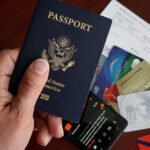
In an era where borders blur and global connections deepen, the concept of holding more than one nationality is becoming increasingly relevant. For many Americans, embracing dual citizenship offers a bridge between cultures, opportunities, and legal systems. Yet, navigating this complex landscape requires careful understanding and thoughtful planning. This guide unpacks the essentials of dual citizenship from an American perspective, illuminating the benefits, responsibilities, and potential challenges that come with carrying two passports. Whether driven by heritage, career, or personal exploration, this journey demands clarity—a compass to help you steer through the legalities and nuances that define dual nationality in today’s interconnected world.
Understanding Dual Citizenship and Its Legal Implications
Holding dual citizenship means balancing the rights and responsibilities of two nations simultaneously. While this status offers unique opportunities such as easier travel, employment, and property ownership in two countries, it also introduces complex legal dimensions. For American citizens, understanding how U.S. laws interact with those of another nation is crucial. Issues such as taxation, military service obligations, and voting rights can vary widely depending on the countries involved, creating a landscape that requires careful navigation.
Legal implications can include:
- Tax Obligations: The U.S. taxes its citizens on worldwide income, which might lead to double taxation without proper treaties.
- Civic Duties: Dual citizens might be subject to mandatory military service or other legal responsibilities in both countries.
- Travel Restrictions: Some countries may not recognize the other nationality, impacting the use of passports at entry and exit points.
| Aspect | U.S. Perspective | Foreign Country Perspective |
|---|---|---|
| Taxation | Global income reporting | Varies; often based on residency |
| Military Service | Voluntary for most citizens | May be compulsory |
| Passport Usage | Required for entry/exit | Depends on bilateral agreements |

Balancing Rights and Responsibilities in Two Countries
Embracing dual citizenship enriches your identity, connecting you to two distinct cultures and legal systems. However, it also requires a careful balancing act between the rights and duties each nation expects from you. While you may enjoy the voting power and social benefits in both countries, you must also navigate obligations like tax filings, military service requirements, or legal compliance. Understanding these nuances is essential to prevent conflicts or unintended infringing on either country’s laws.
To manage these responsibilities efficiently, consider these key actions:
- Stay Informed: Monitor legislative changes in both countries that affect citizenship obligations.
- Consult Experts: Engage with immigration lawyers or tax professionals familiar with dual citizenship intricacies.
- Maintain Documentation: Keep passports, visas, and citizenship papers updated and accessible.
Below is a comparison of rights and responsibilities that dual citizens typically manage:
| Aspect | Rights | Responsibilities |
|---|---|---|
| Voting | Participate in elections in both countries | Register to vote according to each country’s requirements |
| Taxation | Access to tax benefits or deductions | File accurate taxes in both jurisdictions |
| Legal Protection | Right to consular assistance abroad | Obey laws and regulations in both nations |
Managing Taxes and Financial Obligations Across Borders
Holding dual citizenship often means navigating a complex landscape of tax responsibilities that span multiple jurisdictions. American citizens with a second nationality must remain vigilant about the Internal Revenue Service (IRS) obligations, which require reporting global income regardless of where it is earned. Beyond filing an annual tax return, it’s crucial to consider foreign earned income exclusions, tax treaties, and potential foreign tax credits that may relieve the burden of double taxation. Staying compliant means understanding how income, assets, and even property abroad can affect your U.S. tax filings.
It’s equally important to keep in mind financial commitments like social security contributions, inheritance taxes, or mandatory healthcare payments that can vary drastically between countries. To simplify this multifaceted process, consider organizing your obligations into categories such as:
- Income Tax: Federal, state, and foreign taxes
- Reporting Requirements: FBAR, FATCA disclosures
- Social Security & Benefits: Programs in both countries
- Estate & Gift Taxes: Cross-border implications
| Tax Element | U.S. | Foreign Country | Strategy |
|---|---|---|---|
| Income Reporting | Worldwide income | Residency-based | Foreign Earned Income Exclusion |
| Social Security | Mandatory contributions | Varies by country | Check Totalization Agreements |
| Estate Tax | Applicable on global assets | Country-specific | Plan early with professionals |
Practical Tips for Maintaining Dual Citizenship Status
Successfully juggling dual citizenship requires vigilance and organization. Staying compliant with both countries’ legal frameworks is paramount—think of it as maintaining two passports to freedom, but with due diligence. Regularly update yourself on changes in immigration laws, tax regulations, and voting rights that might affect your status. Keep separate files for important documents such as passports, naturalization certificates, and tax returns. This not only streamlines processes when renewal or verification is needed but also shields you from unexpected legal hiccups.
Additionally, embrace practical habits that safeguard your dual citizen rights:
- Maintain residency requirements: Some countries impose physical presence conditions; tracking these will save you from unintended loss of citizenship.
- File taxes accurately and timely: As a U.S. citizen, you’re obligated to report global income—coordinate with your other country’s tax system to avoid penalties.
- Stay informed about military or civic duties: Certain nations require mandatory service; understanding such obligations is crucial.
| Tip | Why It Matters |
|---|---|
| Keep copies of all passports | Streamlines travel & renewal processes |
| Regularly review dual citizenship laws | Avoid inadvertent loss or conflicts |
| Establish a tax filing routine | Prevents fines and complicated audits |
Navigating Travel and Consular Support as a Dual Citizen
Holding dual citizenship introduces a layer of complexity when it comes to international travel. Each country’s entry and exit requirements can differ significantly, so it’s essential to carry both passports and understand when to use each. For instance, using your American passport to enter and exit the United States often simplifies border processing, while your second nationality may offer visa-free access or other benefits in your destination country. To avoid unexpected complications, plan your itinerary with a clear understanding of which passport will serve you best at each checkpoint.
When facing consular issues abroad, dual citizens must navigate the diplomatic nuances between two nations. While the U.S. government typically protects and supports American citizens overseas, your second country’s consulates might also provide assistance, sometimes with differing policies. In emergencies, it’s helpful to be aware of the services each embassy or consulate offers, including:
- Passport renewal or replacement
- Emergency financial aid or loans
- Legal assistance and referral
- Citizenship verification or identity documentation
The Way Forward
As you embark on the journey of dual citizenship, remember that this path is as much about discovery as it is about legality. Balancing the privileges and responsibilities of two nations offers a unique vantage point—a bridge between cultures, laws, and identities. While the road may present complexities, armed with knowledge and careful planning, you can navigate these waters with confidence and clarity. Ultimately, dual citizenship is more than a status; it’s an invitation to expand your horizons and embrace a richer, more interconnected sense of self. Wherever your dual citizenship takes you, may it be a journey of empowerment and opportunity.