In a world where borders blur and cultures converge, the concept of identity takes on new dimensions. For those who hold dual citizenship—particularly American dual citizenship—the experience is often a delicate dance between two nations, two histories, and two senses of belonging. Navigating this intricate blend of identities challenges traditional notions of nationality and invites a deeper exploration of what it truly means to call oneself “American.” This article delves into the multifaceted journey of dual citizens, shedding light on how they reconcile their intertwined lives and the unique perspectives they bring to the evolving American identity.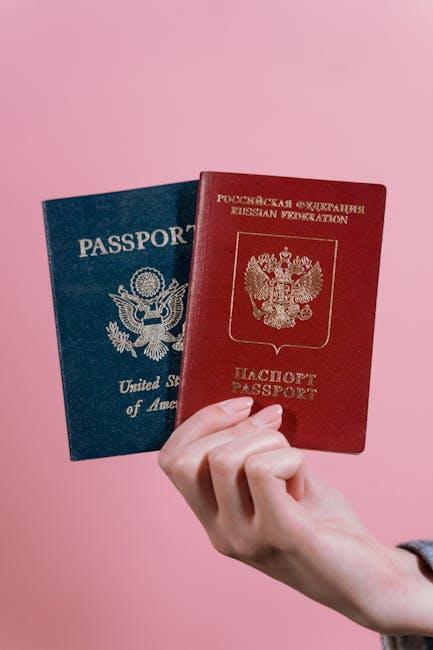
Understanding Dual Citizenship in the American Context
Dual citizenship in the American context embodies a unique blend of legal and social dimensions that allow individuals to maintain allegiance to the United States while embracing another nationality. This duality offers an enriching opportunity to navigate multiple cultural landscapes, but it also demands a clear understanding of responsibilities and rights that come with holding two passports. While the U.S. government recognizes dual citizenship, it emphasizes that citizens must adhere to American laws regardless of any other citizenship they may possess. This delicate balance shapes the American identity into a mosaic of diverse influences, fostering global connections while maintaining national loyalty.
Understanding the privileges and potential challenges is crucial for anyone considering or living with dual citizenship. Benefits often include expanded travel options, work opportunities, and property ownership rights across different countries. However, complexities arise in areas such as tax obligations, military service, and political participation, which can vary widely between nations. Below is a quick glance at some critical factors influencing dual citizens in the U.S.:
| Aspect | Considerations |
|---|---|
| Taxes | Must file U.S. taxes, possibly double taxation |
| Legal Loyalty | Obliged to abide by U.S. laws first |
| Travel | Use respective passports for entry/exit |
| Military Service | May have obligations in both countries |
- Retention of Cultural Roots: Dual citizenship allows the preservation and celebration of heritage.
- International Mobility: Facilitates smoother access to multiple countries.
- Voting Rights: Voting eligibility differs; U.S. citizens can vote in federal elections.
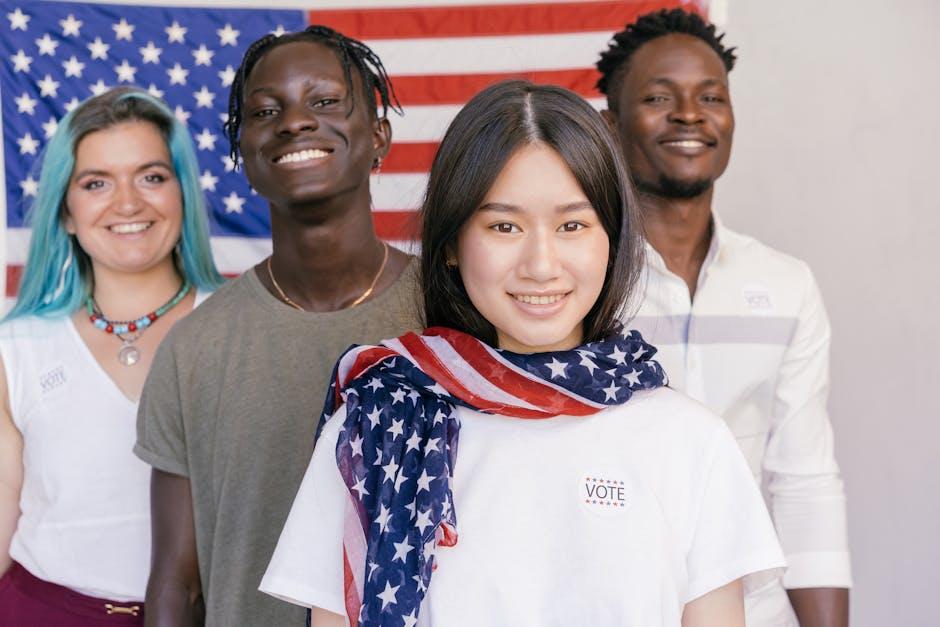
Balancing Cultural Roots and National Responsibilities
Navigating the intricate balance between cultural heritage and national obligations often feels like walking a tightrope. For dual citizens, this means embracing traditions passed down through generations while upholding the laws and duties of their adopted homeland. This dual existence nurtures a unique perspective—one that enriches personal identity yet sometimes raises questions about where one’s true allegiance lies. Maintaining cultural roots involves more than just customs; it’s about preserving language, values, and community connections that serve as an anchor during moments of change.
Simultaneously, fulfilling national responsibilities commands a deep understanding of civic duties, from voting to contributing to society. Many find themselves mastering a delicate dance, integrating elements from both worlds to create a harmonious blend. Consider the following ways dual citizens often harmonize these two spheres:
- Celebrating cultural holidays that honor their origins without overlooking national observances.
- Participating in community events that support both cultural enrichment and civic engagement.
- Advocating for policies that respect multiculturalism while upholding national interests.
| Aspect | Cultural Roots | National Responsibilities |
|---|---|---|
| Identity | Tradition and language | Civic participation |
| Celebrations | Festivals and rituals | Public holidays |
| Community Role | Family and diaspora ties | Volunteerism and voting |
Legal Rights and Obligations Across Borders
When holding citizenship in more than one country, individuals often become the bridge between legal systems with varying expectations and responsibilities. Understanding the rights afforded by each nation is crucial to navigating this complex landscape. For example, the freedom to work, vote, and access social services may differ substantially, requiring careful attention to the laws governing each passport bearer. Additionally, obligations such as compulsory military service or tax liabilities can impose unique challenges, demanding a constant balancing act to honor commitments without conflict.
To manage these intricacies effectively, keeping track of key legal factors can provide clarity. Consider this comparative overview:
| Legal Aspect | Country A | Country B |
|---|---|---|
| Voting Rights | Universal adult suffrage | Only residents eligible |
| Tax Filing | Global income taxed | Taxed on local income only |
| Military Service | Compulsory at age 18 | Voluntary enlistment |
Navigating dual citizenship also means embracing a proactive mindset—such as consulting legal experts in both jurisdictions and staying updated on policy changes. These steps can help prevent unintended breaches and empower individuals to enjoy the full spectrum of their multinational identity with confidence.
Practical Tips for Managing Dual Identity with Confidence
Embracing a dual identity means celebrating the best of both worlds without losing your sense of self. One practical approach is to establish a routine that honors both cultures in your daily life. For instance, incorporating traditional foods, holidays, and language practice can serve as meaningful reminders of your heritage. Balancing social circles from both identities also helps maintain this blend, allowing you to navigate different cultural contexts with ease. Setting personal boundaries, like clearly defining when and where you express each identity, reduces confusion and boosts confidence in social or professional settings.
Staying informed about the legal and civic responsibilities linked to each citizenship empowers you to avoid unexpected challenges. Creating a simple reference table can clarify important aspects like passport renewal dates, tax obligations, and voting rights:
| Responsibility | Country A | Country B |
|---|---|---|
| Passport Renewal | Every 10 years | Every 5 years |
| Tax Filing Deadline | April 15 | June 30 |
| Voting Eligibility | Federal & Local | National only |
Additionally, maintaining an open mind and being patient with yourself during moments of cultural friction will enhance your resilience. Join community groups or forums that share experiences of dual citizenship; this network can offer support and practical advice unique to your journey.
Building a Cohesive Personal Narrative from Two Worlds
Living with dual citizenship often means weaving together two distinct cultural fabrics into a single, vibrant tapestry. This process involves more than just legal status; it’s about harmonizing values, traditions, and personal experiences to craft a story that feels authentically yours. Embracing the strengths from both worlds can create a unique vantage point — whether it’s combining the resilience and independence often celebrated in American narratives with the rich heritage and communal spirit from the other homeland. The beauty lies in finding intersections that empower your personal growth while celebrating diversity.
To navigate this complex identity, it’s helpful to reflect on and integrate key aspects from each background, such as language, customs, or core beliefs. Consider this simple framework to balance your dual narrative:
- Celebrate Milestones: Mark traditions from both cultures to enrich your life experiences.
- Build Bridges: Connect identities through shared values and meaningful community engagement.
- Adapt and Evolve: Allow your story to flow naturally, embracing change as part of your identity.
| Aspect | American Influence | Other World Influence |
|---|---|---|
| Language | English – Direct, expressive | Native tongue – Rich in tradition |
| Values | Individualism, freedom | Community, respect |
| Customs | Holidays like Thanksgiving | Family-centered festivals |
Final Thoughts
In the intricate dance of dual citizenship, the American identity becomes a vivid tapestry woven from diverse threads of heritage, experience, and belonging. Navigating this blend is less about choosing one path over another and more about embracing the complexity of multiple roots that enrich the soul. As borders blur and cultures converge, dual citizens embody a unique narrative—a testament to the evolving story of what it means to be American in a world without borders. In this ever-changing mosaic, the journey of navigating dual citizenship is not just about legalities but about defining identity on one’s own terms.