In an increasingly interconnected world, the concept of identity is no longer confined to a single place or passport. Dual citizenship has emerged as a dynamic gateway, offering individuals the unique opportunity to embrace multiple cultural narratives and broaden their horizons. Navigating the complexities of holding citizenship in two countries unveils a labyrinth of legal, social, and personal dimensions that can unlock new pathways to global identity. This article explores the multifaceted landscape of dual citizenship, shedding light on the challenges and advantages that come with balancing ties to two homelands.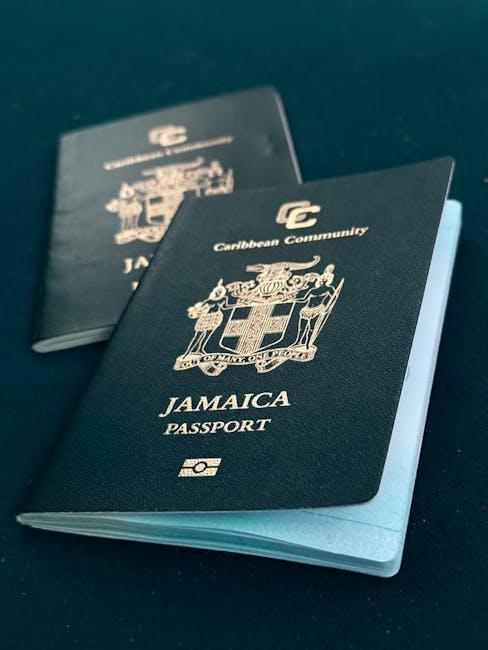
Understanding the Legal Landscape of Dual Citizenship
Delving into the complexities of dual citizenship requires a nuanced understanding of diverse legal frameworks worldwide. The intricacies lie not only in how countries accept or reject dual nationality but also in how they manage rights and responsibilities tied to multiple allegiances. Some nations welcome a dual identity, offering citizens the liberty to engage fully in both societies, while others impose strict regulations or even penalties. Recognizing these distinctions is crucial for anyone considering the pursuit of dual citizenship — it’s a journey that intertwines cultural belonging with legal precision.
When mapping out the legal terrain, consider key factors that often influence dual citizenship policies:
- Residency requirements: The duration and conditions necessary before qualifying for a second nationality.
- Inheritance and property rights: How owning assets in multiple countries is governed.
- Tax implications: Understanding obligations towards both states.
- Military service duties: Requirements or exemptions for dual citizens.
| Country | Dual Citizenship Status | Notable Regulation |
|---|---|---|
| Canada | Permitted | Automatic right but tax filings required |
| Japan | Restricted | Requires choice by age 22 |
| Australia | Permitted | No limits on multiple citizenships |
| India | Not permitted | Overseas Citizenship privileges only |

Balancing Rights and Responsibilities Across Borders
Holding dual citizenship offers unparalleled access to diverse cultures, economic opportunities, and political landscapes. However, it also demands a delicate equilibrium between the rights enjoyed in each country and the obligations that come with them. For example, dual citizens must navigate complex tax laws, military service requirements, and legal systems that may vary drastically. Embracing this dual identity means appreciating the privileges of each nation, while conscientiously upholding its responsibilities, ensuring that global mobility is paired with integrity and respect.
To better understand this balance, consider the following core areas where rights and responsibilities intersect for dual citizens:
- Legal Compliance: Following the laws of both countries without conflict or negligence.
- Taxation: Meeting fiscal duties in all jurisdictions, avoiding double taxation through legal channels.
- Civic Participation: Engaging in political processes responsibly, including voting rights and candidacy restrictions.
- Social Obligations: Respecting cultural expectations, community service, and national symbols.
| Aspect | Rights | Responsibilities |
|---|---|---|
| Travel & Mobility | Visa-free access to multiple countries | Adherence to customs and immigration laws |
| Economic | Employment and property ownership | Payment of taxes and social contributions |
| Political | Right to vote and hold office | Respect for political processes |
| Military | Exemptions or benefits in some nations | Potential conscription duties |
Strategies for Seamless Integration and Cultural Adaptation
Adjusting to a new cultural landscape while maintaining ties to your original identity requires a thoughtful blend of openness and respect. Embracing dual citizenship offers the unique chance to become a cultural chameleon, blending traditions and values without losing authenticity. Immersing yourself in local customs through language learning, community events, and culinary experiences fosters genuine connections. Equally important is to share your own heritage confidently, creating a bi-directional cultural exchange that enriches both your life and those around you.
Practical steps can streamline this journey, making cultural adaptation smoother and more rewarding. Consider these essential strategies for a harmonious fusion of identities:
- Establish Rituals: Balance customs from both cultures in daily routines to build comfort and continuity.
- Seek Support Networks: Join expatriate groups or cultural organizations to find guidance and belonging.
- Stay Informed: Keep up-to-date with legal and social norms in both countries to avoid surprises.
- Practice Emotional Flexibility: Recognize and navigate cultural misunderstandings with patience and curiosity.
| Adaptation Area | Practical Tip | Benefit |
|---|---|---|
| Language | Attend language workshops | Deepens communication and trust |
| Community | Volunteer locally | Builds meaningful relationships |
| Traditions | Celebrate key holidays from both cultures | Strengthens dual identity pride |
Navigating Taxation and Financial Implications with Dual Status
Understanding the tax responsibilities that come with holding dual citizenship is crucial to avoid unexpected liabilities. Dual status often involves navigating complex tax treaties, which can either mitigate or complicate your financial obligations. For example, some countries tax based on residency, while others tax global income regardless of physical presence. It is essential to keep abreast of these distinctions and consult tax professionals who specialize in international regulations to optimize your tax strategy and ensure compliance.
To manage your finances efficiently, consider the following factors:
- Tax residency rules and their impact on income declaration
- Tax treaties between your countries of citizenship and residence
- Implications of foreign assets and income reporting requirements
- Potential benefits such as tax credits and exclusions
| Tax Aspect | Country A | Country B |
|---|---|---|
| Tax Basis | Residency | Worldwide Income |
| Reporting Threshold | $50,000 | $75,000 |
| Tax Treaty Available | Yes | No |
By proactively navigating these complexities, dual citizens can unlock financial opportunities while avoiding pitfalls. Crafting a personalized financial plan that considers both jurisdictions will help leverage global advantages without falling prey to double taxation or bureaucratic challenges.
Practical Tips for Maintaining Dual Citizenship Benefits Safely
Maintaining the advantages of dual citizenship requires more than just legal status; it demands a proactive approach to safeguarding your rights and responsibilities. Regularly updating yourself on the legal obligations and tax regulations in both countries is crucial to avoid unexpected penalties or complications. Additionally, consider securing dual citizenship-friendly insurance plans and keeping your passports up to date. Cultivating strong communication channels with consulates or embassies can also serve as a lifeline in emergencies, ensuring swift assistance no matter where you are in the world.
Organizing your documentation and travel plans methodically helps streamline cross-border mobility and residency claims. Here are a few handy strategies to keep dual citizenship perks intact and secure:
- Maintain Separate Financial Records: Track income, taxes, and assets distinctly for each country to avoid confusion during audits.
- Stay Adaptable with Residency Status: Monitor each country’s residency requirements to retain citizenship benefits without losing eligibility.
- Leverage Digital Tools: Use apps for passport renewal reminders and consulate contact info storage.
| Action | Why It Matters | Frequency |
|---|---|---|
| Passport Renewal | Ensures uninterrupted travel freedom | Every 5-10 years |
| Tax Declaration Review | Avoids legal issues and double taxation | Annually |
| Embassy Contact Update | Critical for emergency diplomatic support | Every 2 years |
In Summary
As the world becomes ever more interconnected, the concept of dual citizenship stands as a powerful symbol of our evolving global identity. Navigating the complexities of holding multiple nationalities is no small feat, but it opens doors to unprecedented opportunities—cultural richness, economic advantages, and expanded horizons. By understanding the legal landscapes and embracing the responsibilities that dual citizenship entails, individuals can unlock paths that transcend borders, crafting a unique narrative woven from diverse roots. In this journey of global identity, dual citizenship is not just a status—it’s a bridge to a wider, more interconnected world.