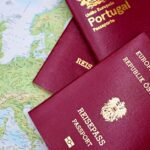
In a world increasingly connected by borders that are more lines on a map than barriers in reality, the phenomenon of double nationality emerges as a compelling narrative of belonging and identity. To hold two passports is to navigate a unique landscape—one where cultural bridges are crossed daily, and personal histories intertwine with national stories. Yet, beneath the surface of this dual citizenship lies a complex interplay of legal obligations, emotional ties, and societal expectations. This article delves into the multifaceted experience of those living with dual identities, exploring the challenges and opportunities that shape their global journeys.
Understanding the Emotional Landscape of Dual Nationality
Living between two cultures often evokes a kaleidoscope of emotions, where pride and belonging merge with moments of confusion and disconnection. Individuals with dual nationality may feel a profound connection to both homelands, yet sometimes encounter the challenge of fitting neatly into either. This emotional balancing act can result in a unique sense of identity that is fluid, constantly evolving, and deeply personal. It’s not uncommon for these individuals to experience a strong sense of resilience, shaped by the richness of their cultural experiences and the need to navigate different social norms and expectations.
However, the emotional journey is not without its complexities. Feelings of alienation, identity ambiguity, and even guilt may arise when cultural values conflict or when external perceptions impose rigid definitions of “belonging.” Support systems, such as multicultural communities and empathetic networks, play a crucial role in helping dual nationals embrace their layered identities. To illustrate the spectrum of emotions, consider the following table:
| Emotion | Common Triggers | Positive Outcomes |
|---|---|---|
| Belonging | Cultural festivals, family gatherings | Enhanced self-esteem, cultural pride |
| Confusion | Conflicting traditions, language barriers | Growth in adaptability and empathy |
| Alienation | Discrimination, stereotypes | Stronger resilience, activism |
| Joy | Celebrating dual heritage | Sense of uniqueness and belonging |
Understanding these nuances helps illuminate the emotional landscape of dual nationality, reminding us that identity is neither fixed nor simple but rather a dynamic blend that enriches the human experience.

Legal Challenges and Citizenship Obligations Explored
Holding dual nationality often places individuals at the crossroads of conflicting legal frameworks. Many find themselves navigating through a maze of diverse laws, from eligibility for public office to restrictions in military service. For instance, some countries require citizens with multiple nationalities to disclose all their allegiances, while others impose strict limitations on the type of passports they can hold simultaneously. This intricate patchwork of regulations demands careful attention to avoid inadvertent violations that could lead to fines, or even loss of one’s citizenship.
Citizenship obligations extend beyond legal compliance, affecting one’s civic duties and personal identity. Dual nationals may face:
- Tax responsibilities in multiple countries, sometimes leading to complicated double taxation scenarios.
- Mandated military service requirements, which can be especially challenging if service times overlap.
- Jury duty or voting obligations, varying widely based on residency and national laws.
| Country | Military Service | Taxation |
|---|---|---|
| Country A | Mandatory, no exemptions | Tax treaties apply |
| Country B | Voluntary | Worldwide income taxed |
| Country C | Exempt if dual citizen | No double taxation agreements |
Cultural Integration and Identity Balance in Daily Life
Striking a harmonious balance between two national identities often means weaving together traditions, languages, and values in everyday moments. From selecting what holiday to celebrate to deciding which language to speak at family gatherings, individuals navigate a tapestry where each thread represents a part of their heritage. This daily cultural integration is not just about preservation; it’s an evolving dialogue between the past and the present, allowing for a richer, more textured self-expression.
Balancing these identities can also manifest in subtle yet powerful ways, such as food preferences or social customs, which can reflect a blend of both cultures without fully favoring one. It’s a delicate dance, often guided by:
- Community connection — where shared experiences validate dual identities.
- Personal choice — allowing for fluid movement between cultural norms.
- Generational influence — which shapes how identity is expressed and perceived.
| Cultural Aspect | Expression | Possible Challenges |
|---|---|---|
| Language | Switching fluently between languages | Feeling less confident in one language |
| Festivities | Celebration of diverse holidays | Timing conflicts or divided focus |
| Values | Blending conflicting cultural norms | Internal conflicts or external misunderstanding |
Navigating Travel and Diplomatic Nuances with Two Passports
Holding two passports unlocks a world of possibilities but also demands a nuanced understanding of international travel protocols and diplomatic customs. Travelers must anticipate varying visa requirements and entry regulations that could affect them differently depending on which passport they present. Moreover, some countries may impose restrictions or even question loyalty when a dual nationality is disclosed, making it essential to prepare documents meticulously and be aware of bilateral agreements or tensions between the nations represented on your passports.
Beyond travel, dual citizenship brings diplomatic intricacies that require careful navigation. For instance, consular assistance during emergencies may differ based on which nationality is invoked, and in rare cases, a dual citizen might face conflicting obligations such as taxes, military service, or mandatory legal procedures. To help clarify this complexity, here’s a quick comparison:
| Aspect | Country A | Country B |
|---|---|---|
| Visa-Free Access | 150+ countries | 80+ countries |
| Dual Taxation | Yes, with treaties | No |
| Consular Protection | Universal, limited in conflicts | Conditional, requires proof of nationality use |
| Mandatory Military Service | No | Yes, for males aged 18-25 |
- Plan your route based on visa policies.
- Declare dual nationality where required.
- Understand local laws and obligations.
- Maintain updated records of all passports.
Practical Strategies for Embracing and Managing Dual Identities
Living with dual identities often means striking a balance between two sets of cultural norms, languages, and personal expectations. One effective approach is to cultivate environments that celebrate both heritages. This can be achieved by blending traditions during holidays, cooking dishes from both cultures, or even learning and using both languages regularly. Creating a personal narrative that embraces the unique fusion of these identities empowers individuals to move beyond the constraints of “either/or” thinking and instead thrive in the space of “both/and.”
Practical tools can also help in managing potential challenges. Establishing clear priorities regarding legal obligations, social obligations, and emotional connections is essential. Below is a simple guide illustrating some strategies to put into practice:
| Strategy | Purpose | Example |
|---|---|---|
| Routine Check-ins | Emotional alignment | Weekly reflection on personal feelings about both identities |
| Community Engagement | Social support | Join cultural clubs, attend festivals, or local meetups |
| Legal Literacy | Compliance & security | Stay updated on dual citizenship laws and voting rights |
| Open Dialogue | Communication and understanding | Discuss identity openly with family and friends |
In Retrospect
In the intricate dance of dual identities, those who navigate the world of double nationality find themselves both bridges and boundaries—embodying the richness of multiple cultures while grappling with the challenges of belonging. This delicate balance shapes not only personal stories but also broader conversations about identity, citizenship, and community in our increasingly interconnected world. As the lines between nations continue to blur, embracing the complexity of dual nationality becomes essential—a reminder that identity is not a single thread, but a vibrant tapestry woven from many.