In an increasingly interconnected world, the concept of identity has become more fluid, vibrant, and multifaceted than ever before. For millions of people, holding dual nationality is not just a legal status—it is a lived experience woven with complexity, opportunity, and challenge. Navigating dual identities means balancing the privileges and responsibilities of two nations, while forging a personal sense of belonging that transcends borders. This article explores the nuanced realities of double nationality, shedding light on the cultural, social, and legal dimensions that shape the lives of those who embody two homelands at once.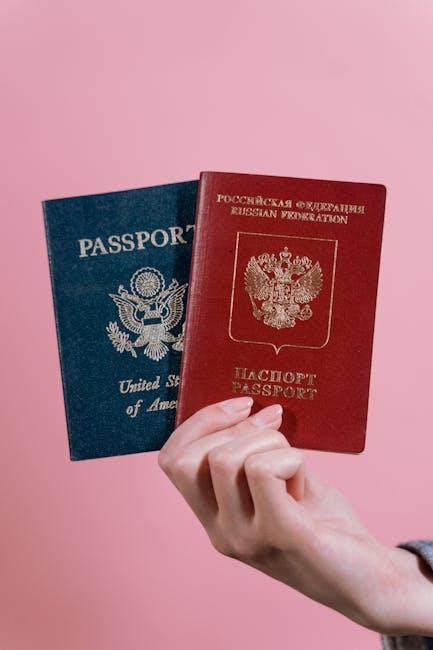
Understanding the Complex Emotional Landscape of Dual Citizenship
Living with dual citizenship often means navigating an intricate emotional terrain, where the pride of belonging to two nations is intertwined with moments of inner conflict. Those with dual nationality frequently experience a blend of cultural emotions that can enhance their worldview but also challenge their sense of loyalty and identity. On one hand, they celebrate diverse traditions, languages, and histories, which enrich their personal and social lives. On the other, this overlapping allegiance may lead to unexpected tensions, especially during times of political disagreement or when legal obligations pull them in different directions.
These complexities manifest in various subtle ways, often unique to each individual’s circumstances. Consider the emotional tug-of-war experienced during:
- National holidays celebrated differently in each country
- Family expectations rooted in distinct cultural norms
- Decisions about where to live, work, or raise children
- Questions around civic duties such as voting or military service
| Emotional Aspect | Common Experience | Potential Challenge |
|---|---|---|
| Belonging | Feeling at home in two places | Not fully accepted as native in either |
| Identity | Rich cultural fusion | Confusion over personal identity markers |
| Loyalty | Support for both nations | Cognitive dissonance during conflicts |

Balancing Legal Rights and Responsibilities Across Borders
Dual nationality often brings a unique blend of privileges and challenges that manifest through complex legal frameworks governing citizenship rights and obligations. Individuals must carefully navigate varying systems of taxation, military service, and voting rights, each rooted in the legislation of their respective countries. This balancing act requires more than just awareness — it demands an ongoing commitment to understanding where responsibilities begin and end. For instance, some nations impose strict tax declarations on global income, while others may provide exemptions; knowing these distinctions is crucial to avoid unintended legal ramifications.
Moreover, managing these dual identities involves harmonizing duties that may sometimes conflict. To illustrate:
- Voting obligations might require registration and participation in two separate electoral systems.
- Mandatory military service could potentially apply in both countries unless specific exemptions are negotiated.
- Legal protections are not always reciprocal; one passport holder might enjoy rights unavailable to the other, such as consular assistance.
In the face of such complexities, maintaining a detailed overview can be made simpler with tools like the table below, which highlights key responsibilities to monitor:
| Responsibility | Country A | Country B | Notes |
|---|---|---|---|
| Tax Filing | Annual | Depends on residency | Consult local tax advisor |
| Military Service | Required, 12 months | Exempt for dual nationals | Check treaty conditions |
| Voting | Compulsory | Optional | Must register separately |
Cultural Integration Challenges and Opportunities in Double National Identity
Embracing a dual national identity often places individuals at the crossroads of diverse cultural expectations and societal norms. This unique position enables them to cultivate a rich, multifaceted worldview but also introduces potential friction. Balancing contrasting traditions, languages, and social etiquettes can lead to moments of inner conflict or external misunderstanding. Key challenges typically include:
- Struggling with a sense of belonging in either country
- Pressure to conform to contrasting cultural norms
- Language barriers affecting communication and cultural nuance
- Societal stereotyping or assumptions based on nationality
However, the same complexities that form barriers can also act as bridges fostering empathy and innovation. Double nationals frequently develop an enhanced ability to navigate diverse environments—both social and professional—equipped with linguistic dexterity and cultural versatility. The opportunities arising from this include:
- Serving as cultural ambassadors, bridging communities and enriching cross-cultural dialogue
- Accessing broader networks for career and personal growth
- Enhanced problem-solving skills developed through navigating complex identity dynamics
- Opportunities to innovate by merging diverse cultural perspectives
| Aspect | Challenge | Opportunity |
|---|---|---|
| Identity | Conflicting cultural expectations | Broader self-awareness and adaptability |
| Language | Difficulty mastering nuances | Multilingual communication skills |
| Social Integration | Feeling of exclusion | Building diverse social networks |
Practical Strategies for Managing Paperwork and Bureaucracy Efficiently
When juggling multiple legal frameworks, staying organized is your strongest ally. Begin by creating a dedicated filing system—whether digital or physical—that categorizes documents by country, type, and urgency. This approach minimizes the risk of misplacing important papers like visas, tax filings, or residency permits. Incorporate cloud storage solutions with encrypted access for quick retrieval and peace of mind. An effective way to reduce bureaucratic stress is to maintain a master checklist for each country you’re affiliated with, tracking deadlines, required forms, and submission processes. This simple yet powerful method ensures compliance across borders without feeling overwhelmed.
- Use color-coded folders to differentiate documents by nation
- Set calendar reminders for renewals and legal appointments
- Keep contact information of key consulates and agencies handy
- Regularly review your paperwork to stay updated on changing regulations
Efficiency also stems from understanding which bureaucracy demands the most urgent attention and which tasks you can delegate. If possible, engage local legal advisors or bureaucratic consultants who specialize in dual citizenship cases — their expertise can transform confusing procedures into a clear path forward. Additionally, maintain a log of all communications with government offices including dates, names, and reference numbers; this record often becomes invaluable if any disputes arise or corrections are needed.
| Task | Country A | Country B |
|---|---|---|
| Passport Renewal | 6 months before expiry | 3 months before expiry |
| Tax Filing Deadline | April 15 | June 30 |
| Residency Permit Update | Annually | Every 2 years |
Building a Cohesive Personal Identity While Embracing Dual Heritage
Embracing two cultures means weaving together distinct threads to form a unique tapestry of self. This blend not only enriches personal perspectives but also challenges conventional notions of identity. It invites individuals to celebrate diverse traditions, learn from differing worldviews, and create an authentic narrative that bridges the gap between heritage and personal experience. The process involves ongoing reflection and the courage to define oneself outside pre-existing cultural boxes.
To foster a cohesive identity amidst dual backgrounds, many find value in embracing these guiding principles:
- Active cultural engagement—participating in customs, language, and rituals from both backgrounds.
- Self-awareness—recognizing which elements resonate deeply and which feel imposed.
- Community connection—building relationships with others navigating similar dualities.
- Flexibility—allowing identity to evolve rather than conform to rigid expectations.
| Challenge | Strategy to Build Cohesion |
|---|---|
| Feeling “in-between” | Creating personalized rituals that honor both heritages |
| External expectations | Setting boundaries and prioritizing personal meaning |
| Language barriers | Continuous practice and embracing bilingualism as a strength |
Key Takeaways
In the intricate dance of dual identities, those who navigate the realities of double nationality often find themselves weaving a rich tapestry of culture, allegiance, and self-discovery. While the path may be marked by legal complexities and moments of inner conflict, it is also illuminated by the unique vantage point of belonging to more than one world. Embracing this duality means embracing a life that defies singular definitions—where identity is fluid, and home is not confined to a single place, but rather, exists as a mosaic of experiences and connections. As the global landscape continues to evolve, so too will the stories of those who live between nations, reminding us that identity is as multifaceted as the people who carry it.