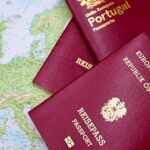
In an increasingly interconnected world, the lines that define nationality are becoming more fluid and multifaceted. Joint citizenship, once a rarity, now reflects a growing reality for millions who straddle multiple cultures, legal systems, and national loyalties. Navigating this intricate terrain reveals a complex tapestry of opportunities and challenges—where identity is not just a question of where one is from, but an evolving story of where one belongs. This article explores the nuanced experience of dual citizenship, shedding light on the legal intricacies, personal dilemmas, and unique perspectives that arise when a single passport is no longer enough to tell the whole story.
Understanding Dual Identity in a Globalized World
In today’s interconnected world, individuals often find themselves woven into the cultural tapestries of more than one nation. This blending of identities can create a rich, multifaceted sense of self, offering unique opportunities and challenges. The experience of holding dual citizenship means navigating a complex landscape where legal obligations, social expectations, and personal values intersect. It’s not merely a matter of possessing two passports but embracing a dual narrative that shapes how one relates to family, community, and nationhood.
Balancing these identities can empower individuals with a broader worldview and enhanced adaptability. However, it also requires thoughtful negotiation of the differences between cultural norms and legal frameworks. Some key aspects to consider include:
- Legal responsibilities: Taxation, military service, and voting rights can vary dramatically between countries.
- Cultural integration: Maintaining heritage while assimilating into a new environment often demands emotional resilience.
- Personal identity: Navigating moments of conflicting loyalty can evoke deep reflection on what it means to belong.
| Aspect | Opportunity | Challenge |
|---|---|---|
| Legal Rights | Access to services in both countries | Understanding dual tax laws |
| Cultural Identity | Rich multicultural heritage | Pressure to conform to each culture’s expectations |
| Social Connection | Networking across borders | Feeling uprooted or divided |
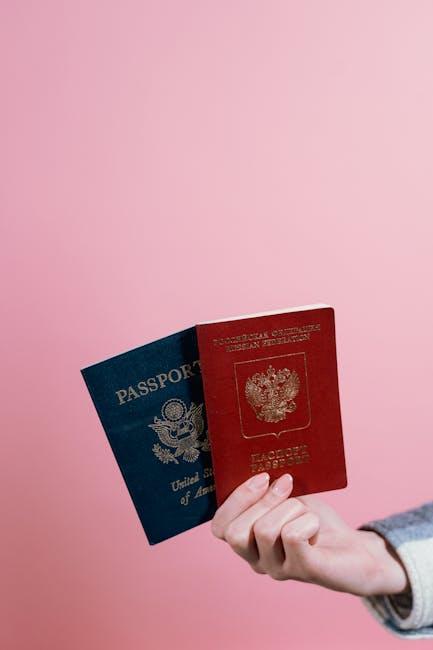
Legal Challenges and Rights of Joint Citizens
Dual citizenship, while offering a unique bridge between cultures and opportunities, also ushers in a tapestry of legal intricacies that must be navigated carefully. Joint citizens often find themselves balancing contrasting laws, from taxation policies to military service obligations, which can lead to unexpected legal confrontations. For example, an individual might be required to file taxes in both countries, adhere to differing national duties, or even face potential conflicts in diplomatic protection. With no universal framework governing dual citizenship, each nation enforces its own rules, making it essential for joint citizens to remain vigilant and well-informed.
Understanding the rights and responsibilities that attach to dual identity goes beyond merely holding two passports. Here are several key aspects every joint citizen should consider:
- Voting privileges: Rights may vary; some countries allow voting in local and national elections, while others restrict participation based on residency.
- Access to social services: Benefits such as healthcare and education can differ depending on where residency is established.
- Legal protection: Dual citizens might not always receive diplomatic protection from one nation when in the other.
- Inheritance laws: Cross-national estate planning can become complicated, requiring expert legal guidance.
| Legal Aspect | Potential Challenge | Mitigation Tip |
|---|---|---|
| Taxation | Double taxation risk | Utilize tax treaties and professional advice |
| Military Service | Conflicting conscription duties | Check exemptions or fulfill obligations carefully |
| Travel Restrictions | Visa and entry limitations | Use the passport providing the easiest access |
Cultural Integration and the Balance of Belonging
Striking a harmonious balance between cultures is often the heart of the dual citizen’s journey. It’s not merely about adopting new customs but weaving together the threads of differing traditions into a cohesive identity. This dynamic process enriches personal narratives, allowing individuals to embrace both their ancestral roots and contemporary realities without feeling divided. However, this integration often requires navigating moments of cultural dissonance, where the values and expectations of two societies may seem at odds. The challenge lies in cultivating a sense of belonging that respects and celebrates the diversity within one’s life experience.
Successful cultural integration involves a nuanced understanding of both the visible and subtle ways identity manifests. Key aspects include:
- Language Adaptability: Mastery or familiarity with multiple languages fosters deeper community connections and cognitive flexibility.
- Cultural Celebration: Participating in festivals and traditions from both backgrounds creates immersive experiences that affirm a sense of home in each culture.
- Social Navigation: Building relationships across varied cultural contexts nurtures empathy and intercultural competence.
| Aspect | Benefits |
|---|---|
| Emotional Resilience | Navigating complex identities strengthens one’s adaptability to change. |
| Cross-cultural Literacy | Enhances global awareness and interpersonal skills. |
| Hybrid Traditions | Creates unique family and community rituals that foster belonging. |
Managing Practicalities from Taxes to Travel
Juggling the responsibilities of dual citizenship demands a clear understanding of the multifaceted logistical landscape. From tax obligations that can span multiple countries to the nuances of obtaining visas and travel permits, each aspect requires proactive management. For instance, tax treaties between countries often dictate where income should be reported and how double taxation can be avoided, making it essential to stay informed about current agreements. Additionally, travel documents might need frequent updates to reflect changing statuses, so maintaining valid passports and understanding each country’s entry regulations can save unexpected hassles.
To keep these practicalities under control, consider adopting a systemized approach that encompasses:
- Centralized document storage: Safeguard passports, visas, and tax forms in both physical and digital formats.
- Calendar reminders: Set alerts for renewal deadlines, tax filing dates, and embassy appointments.
- Expert consultation: Engage with tax advisors and immigration specialists versed in the laws of both countries.
| Aspect | Key Consideration | Tip |
|---|---|---|
| Taxes | Filing in one or both countries | Track deadlines and keep thorough records |
| Travel | Entry rules and visa requirements | Monitor passport validity regularly |
| Residency | Determining tax residency status | Consult with a legal expert to clarify status |
Strategies for Embracing and Thriving with Dual Citizenship
Embracing your dual citizenship starts with understanding the unique advantages and responsibilities it brings. It’s essential to cultivate cultural fluency by actively engaging with both communities—whether through language improvement, local traditions, or current events. Consider setting personal goals such as participating in national holidays, joining cultural organizations, or exploring genealogy to deepen your connection. This approach transforms dual citizenship from a legal status into a vibrant identity that enriches your worldview.
Thriving with joint citizenship also involves strategic management of legal and practical matters. Maintaining up-to-date knowledge of tax obligations, travel regulations, and voting rights can safeguard your interests and prevent common pitfalls. Below is a streamlined checklist for proactive dual citizenship management:
- Monitor visa and residency requirements in both countries
- File taxes accurately according to each nation’s laws
- Register with consulates while abroad for safety and voting
- Stay informed about changes in citizenship policy
- Maintain valid passports and official documents
| Aspect | Benefit | Consideration |
|---|---|---|
| Cultural Engagement | Broadened perspectives | Balancing traditions |
| Legal Rights | Access to social services | Compliance complexity |
| Travel Flexibility | Easier border crossings | Dual itinerary planning |
The Way Forward
In the intricate dance of dual citizenship, individuals find themselves weaving together the threads of two identities—each with its own customs, obligations, and emotional ties. This duality can be a source of rich cultural wealth and expanded opportunity, yet it also demands a delicate balance and thoughtful navigation through legal and personal landscapes. As the world grows ever more interconnected, understanding the nuances of joint citizenship becomes not just a matter of paperwork, but a journey of self-discovery and belonging. Ultimately, embracing this complexity allows dual citizens to craft a unique narrative—one that honors the past, engages the present, and envisions a future shaped by the best of both worlds.