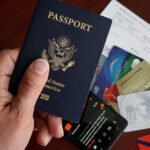
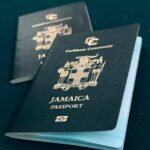
In an increasingly interconnected world, the concept of identity is evolving beyond borders and singular affiliations. For many, the experience of living with dual citizenship offers a unique blend of cultural richness and practical opportunities, yet it also presents intricate legal and emotional landscapes to navigate. “Navigating Dual Identity: The Essentials of Joint Citizenship” delves into the multifaceted nature of holding allegiance to two nations, exploring the benefits, responsibilities, and challenges that come with this dual status. Whether driven by heritage, opportunity, or circumstance, understanding the essentials of joint citizenship is key to embracing its complexities with clarity and confidence.
Understanding Dual Identity and Its Legal Implications
Dual identity, often experienced through joint citizenship, opens a realm where individuals legally belong to two nations simultaneously. This status grants a unique blend of rights and responsibilities, but navigating the legal landscape requires a keen understanding of each country’s laws. Countries vary extensively in how they recognize and regulate dual citizenship, affecting everything from taxation and voting rights to military service and property ownership.
Several critical factors play into the legal implications of maintaining dual identity, including:
- Compliance with multiple legal systems that might sometimes conflict
- Obligations such as taxation, which may require filing returns in both countries
- Travel restrictions or facilitation depending on passport regulations
- Impact on diplomatic protection when abroad
| Aspect | Common Issues | Considerations |
|---|---|---|
| Taxation | Dual tax liabilities | Check treaties to avoid double taxation |
| Military Service | Mandatory conscription conflicts | Verify exemptions or alternative obligations |
| Voting Rights | Election participation limits | Confirm eligibility in both countries |
| Legal Protection | Conflicting jurisdiction claims | Understand which state has precedence |

Balancing Cultural Connections with Dual Citizenship
Living with dual citizenship often means embracing a rich tapestry of cultural influences. It requires a delicate dance — preserving the essence of one’s ancestral roots while actively engaging with the customs and norms of the adopted homeland. This balancing act can enrich personal identity, offering a broader perspective and deepening emotional ties to both nations. However, it also demands conscious effort to maintain meaningful connections without feeling pulled in opposing directions.
To thrive in this dynamic space, many find value in prioritizing:
- Cultural celebrations: Attending events from both heritages helps reinforce pride and keeps traditions alive.
- Language practice: Maintaining fluency bridges communication and strengthens bonds.
- Community involvement: Engaging with both communities creates support networks and fosters belonging.
- Open-mindedness: Flexibility and respect for differing viewpoints smooth the journey of a dual cultural existence.
| Challenge | Helpful Strategy |
|---|---|
| Cultural Overwhelm | Set personal boundaries and prioritize meaningful traditions. |
| Conflicting Expectations | Communicate openly with family and peers to find common ground. |
| Identity Confusion | Reflect regularly on personal values to chart your unique path. |
Navigating Tax Obligations and Financial Responsibilities
Holding dual citizenship often means embracing a unique set of financial frameworks, where your obligations transcend borders. It’s essential to understand that with dual allegiance comes the responsibility to comply with tax laws in both countries. This doesn’t merely involve filing returns but being acutely aware of each nation’s fiscal calendar, reporting requirements, and withholding norms. Failure to navigate these can lead to unintended penalties or double taxation. Embracing professional financial advice and utilizing tax treaties can streamline this complex terrain, turning potential pitfalls into manageable steps.
Here are key considerations every dual citizen should keep in mind:
- Tax Residency Status: Determining where you are considered a resident affects how you are taxed globally.
- Double Taxation Agreements (DTAs): These treaties between countries can help avoid paying tax twice on the same income.
- Reporting Foreign Income: Most countries require declaration of overseas earnings to ensure transparency.
- Currency and Exchange Rates: Fluctuating rates can impact taxable income and financial planning.
| Obligation | Country A | Country B |
|---|---|---|
| Annual Tax Filing | April 30 | June 15 |
| Foreign Income Reporting | Required | Required |
| Social Security Contributions | Mandatory | Voluntary |
| Tax Treaty Status | Active | Active |
Strategies for Maintaining Compliance Across Borders
Maintaining compliance when juggling citizenship across two nations demands a proactive approach grounded in clarity and organization. One effective strategy is to establish a compliance calendar that tracks critical deadlines such as tax submissions, visa renewals, and reporting obligations in both countries. This helps prevent oversight and reduces the risk of legal repercussions. Equally important is to stay updated on evolving policies—governments often modify regulations that affect dual citizens, especially in areas like taxation, military service, and residency requirements.
Another key tactic involves cultivating trusted relationships with legal and financial experts who specialize in international law and cross-border affairs. These professionals can decode complex jurisdictional nuances, enabling smoother navigation through bureaucratic forest. Here’s a quick checklist for seamless compliance management:
- Regularly review dual citizenship obligations in each country.
- Maintain precise financial documentation to satisfy tax authorities on both sides.
- Monitor travel and residency regulations to uphold eligibility for benefits and rights.
- Seek bilateral agreements updates that may alleviate overlapping duties.
Tips for Leveraging Benefits While Managing Challenges
Successfully balancing the perks and pitfalls of joint citizenship requires strategic planning and self-awareness. Firstly, maintaining clear documentation of your dual citizenship status is essential—this eases travel, tax filing, and legal processes across both nations. Ensure you are well-informed about the rights and responsibilities each citizenship confers, particularly regarding voting, military service, and taxation. It’s wise to establish a trusted network or legal advisor familiar with dual nationality laws who can guide you through complex scenarios.
Embracing your dual identity also calls for cultural agility. Immerse yourself in both cultural spheres to reap the full benefits of your diverse heritage while minimizing feelings of detachment. Here are some actionable strategies:
- Stay Current: Regularly check updates on travel advisories and legal reforms in both countries.
- Organized Finances: Keep separate bank accounts and financial records to simplify tax compliance.
- Community Engagement: Join cultural groups or forums to exchange experiences and advice.
| Challenge | Benefit | Practical Solution |
|---|---|---|
| Conflicting Tax Obligations | Access to broader social services | Use dual citizenship-aware financial advisors |
| Passport & Visa Complexity | Greater travel flexibility | Maintain valid documents for both countries |
| Identity Confusion | Broadened cultural perspective | Embrace cultural events and education |
Insights and Conclusions
In the intricate dance of dual identity, joint citizenship emerges as both a bridge and a beacon—connecting worlds while illuminating new paths. Navigating this shared allegiance requires more than paperwork; it demands understanding, adaptation, and a nuanced appreciation of the privileges and responsibilities entwined in two homelands. As borders blur and cultures intertwine, embracing joint citizenship becomes an invitation to craft a unique narrative—one that honors the complexities of belonging and celebrates the richness of a life lived between identities. Whether as a passport to opportunity or a key to cultural harmony, dual citizenship stands as a testament to the evolving tapestry of global citizenship in an increasingly interconnected world.