In a world increasingly interconnected yet fiercely proud of its cultural roots, the concept of joint citizenship emerges as both a bridge and a crossroads. Navigating dual identity is more than a legal status; it is a personal journey of belonging, where individuals weave together the threads of multiple national narratives into a single, complex tapestry. This article explores the multifaceted experience of holding dual citizenship—unpacking the challenges, opportunities, and evolving definitions of identity in an era where borders are both physical and symbolic, and where the heart often resides in two places at once.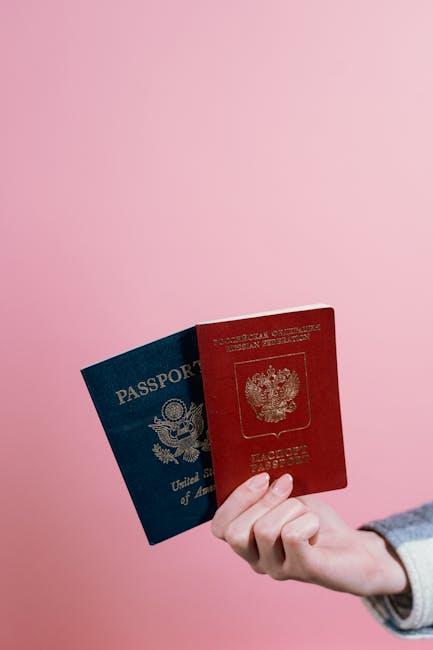
Understanding the Complexities of Dual Identity in a Globalized World
Embracing a dual identity often entails more than just holding two passports; it is an intricate dance of emotions, cultural nuances, and evolving self-perceptions. Those with joint citizenship navigate fluidly between disparate social norms and values, cultivating a unique sense of belonging that transcends borders. This navigation fosters an ability to adapt quickly, yet it also introduces moments of tension when cultural expectations collide or feelings of allegiance become blurred. The challenge lies not in balancing two identities, but in weaving them into a cohesive narrative that honors both heritages.
- Adapting communication styles depending on cultural context
- Negotiating personal values influenced by diverse traditions
- Experiencing a broadened worldview while managing societal expectations
In understanding the complexities of dual citizenship, it is useful to consider how these identities function in daily interactions and legal frameworks. Below is a simplified overview illustrating some of the practical and emotional considerations faced by dual citizens:
| Aspect | Challenges | Advantages |
|---|---|---|
| Legal Obligations | Complex tax filings, military service requirements | Access to social services, voting rights in two countries |
| Cultural Identity | Conflicting traditions, sense of divided loyalty | Richer heritage, multilingual capabilities |
| Social Integration | Feeling like an outsider in both communities | Bridges diverse communities, expanded networks |
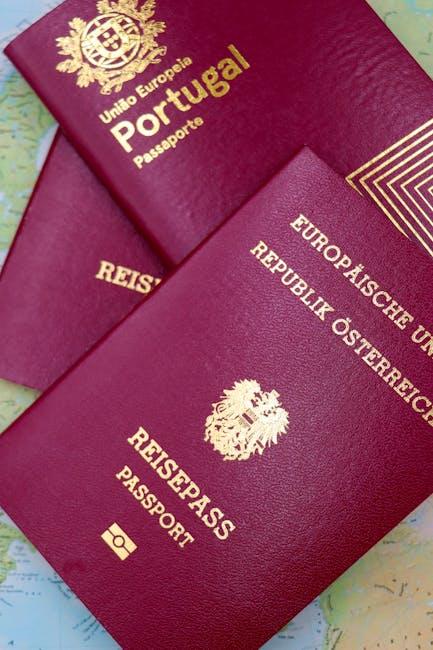
Balancing Legal Rights and Responsibilities Across Borders
Living under the umbrella of dual citizenship intricately weaves together a tapestry of legal rights and responsibilities, making it essential for individuals to master the art of balancing these overlapping frameworks. While joint citizenship offers perks like expanded travel freedom, voting rights in two nations, and access to diverse social services, it also demands adherence to the laws of both countries. From tax obligations to military service requirements, the dual citizen must navigate a complex matrix where rights and duties often intertwine. For instance, failure to comply with one country’s financial reporting standards can result in penalties, even if all local obligations in the other nation are met.
The following list highlights key areas dual citizens must vigilantly manage:
- Understanding differing tax codes and filing deadlines
- Respecting national laws regarding property ownership and inheritance
- Maintaining valid documentation, such as passports and residency permits
- Reconciling potential conflicts between legal systems
- Being aware of the political responsibilities, like voting or consular obligations, in both countries
| Aspect | Country A | Country B |
|---|---|---|
| Income Tax Filing | Annually by April 15 | Annually by June 30 |
| Military Service | Mandatory (18 months) | Optional |
| Voting Rights | Local and National | National Only |
| Property Ownership Restrictions | None | Limited to citizens |
Cultural Integration and Preserving Heritage in Joint Citizenship
Embracing dual citizenship often means walking a delicate line between two distinct cultural worlds. It involves more than just legal status; it is an ongoing process of weaving together traditions, values, and social norms from both backgrounds. While adapting to a new culture, many find themselves nurturing the rich tapestry of their heritage, ensuring that the customs and stories of their ancestors continue to thrive. This dynamic fusion is best supported by actively participating in cultural events, learning indigenous languages, and sharing family histories with younger generations, creating a bridge that honors both identities.
Successful cultural integration while preserving heritage typically involves:
- Engagement in community activities that celebrate diverse cultural expressions
- Education on historical contexts from both countries to understand cultural significance
- Intergenerational dialogue that fosters a mutual appreciation between elders and youth
- Respectful adaptation where new experiences are embraced without abandoning core traditions
| Aspect | Challenges | Strategies |
|---|---|---|
| Language | Potential loss of native tongue | Language classes, bilingual communication at home |
| Festivals | Lack of local recognition | Community-led events, cultural exchanges |
| Values | Conflicting societal norms | Dialogue and personal adaptation |
Practical Challenges and Strategies for Managing Dual National Status
Balancing the privileges and responsibilities of dual citizenship often presents a maze of unexpected hurdles. From navigating conflicting tax obligations to understanding legal rights in two different jurisdictions, the practicalities can become overwhelming. Many find themselves juggling paperwork for two governments, where what’s lawful in one country might lead to complications in another. Language barriers, cultural expectations, and even military service requirements add layers of complexity, demanding a proactive approach to ensure compliance on both fronts.
Successful management of dual nationality thrives on informed strategies that prioritize organization and expert advice. Consider adopting these practical approaches to ease daily challenges:
- Maintain a detailed calendar for tax deadlines and visa renewals in both countries.
- Consult dual citizenship legal experts to clarify obligations and entitlements.
- Use digital tools to securely store important documents accessible across borders.
- Engage with community groups or forums of dual nationals for shared insights and support.
| Challenge | Strategic Tip |
|---|---|
| Conflicting Tax Laws | Hire a cross-border tax advisor |
| Legal Ambiguity | Seek specialized immigration counsel |
| Document Management | Use encrypted cloud storage |
| Cultural Integration | Participate in local expatriate groups |
Guidelines for Leveraging Opportunities While Mitigating Risks in Dual Citizenship
Embarking on the path of dual citizenship unlocks a wealth of possibilities but requires a careful balance to maximize benefits while minimizing pitfalls. Understanding the legal frameworks and cultural nuances of both nations is paramount. Stay informed of tax obligations, voting rights, and residency requirements in each country to avoid unintended consequences. Engaging with legal experts and community groups can provide valuable insights and practical advice, ensuring that your two identities coexist harmoniously without legal entanglements or societal misunderstandings.
Leveraging dual citizenship goes beyond mere legal compliance; it’s about cultivating a lifestyle enriched with diverse experiences. Prioritize clear communication with family, employers, and government entities about your status to prevent confusion or conflicts. Consider the impact on your career, education, and travel opportunities, and weigh them against potential challenges like mandatory military service or conflicting allegiance laws. Employ these strategies to transform dual citizenship from a source of complexity into a bridge of opportunity.
- Research laws in both countries regularly
- Maintain dual documentation securely and updated
- Monitor tax responsibilities thoroughly
- Respect cultural differences with empathy
- Consult experts when in doubt
| Opportunity | Risk | Mitigation |
|---|---|---|
| Expanded job markets | Conflicting work permits | Verify employment regulations early |
| Access to social benefits | Double taxation | Utilize tax treaties and professional advice |
| Seamless travel | Travel restrictions post-change | Update travel documents promptly |
To Conclude
In the intricate dance of dual identity, joint citizenship emerges not merely as a legal status, but as a living tapestry woven from diverse cultures, histories, and loyalties. Navigating this unique journey invites individuals to embrace complexity, challenge singular narratives, and craft a personal path that honors both roots and wings. As borders blur and the world grows more interconnected, the story of joint citizenship continues to evolve—offering not just a dual passport, but a dual lens through which to view belonging, identity, and home.