In a world that increasingly blurs the boundaries of nation and identity, holding dual national passports emerges as both a privilege and a puzzle. These small documents, heavy with the weight of two homelands, offer their bearers the unique ability to traverse borders with expanded freedom. Yet, they also prompt questions about belonging, allegiance, and the evolving sense of self in a globalized landscape. Navigating dual national passports is not merely about travel—it is a journey through layered identities, legal complexities, and cultural crossroads. This article explores how individuals manage the delicate balance of holding two passports, revealing what it means to carry more than one national story in today’s interconnected world.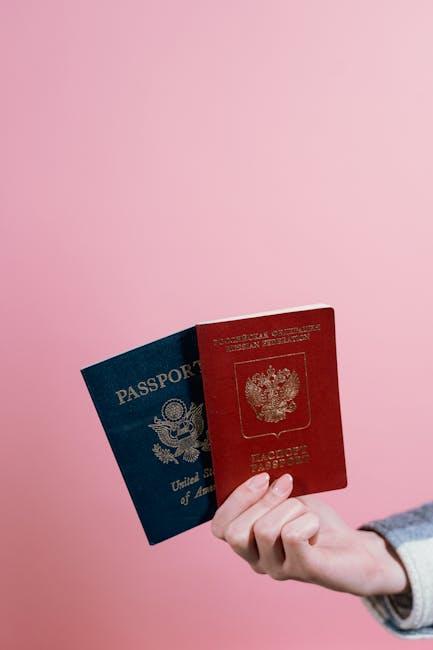
Understanding the Legal Landscape of Dual National Passports
Holding passports from two nations may seem like a straightforward symbol of global identity, but beneath the surface lies a complex legal framework that governs such status. Each country has unique regulations about citizenship rights, taxation, military service, and even diplomatic protection. In many cases, dual nationals must navigate conflicting laws that can affect their travel freedom, obligation to authorities, and eligibility for government services. Understanding these nuances is essential for anyone balancing multiple allegiances, as ignorance might lead to penalties or unexpected restrictions.
Key points to consider when managing dual passports include:
- Recognition of Dual Citizenship: Countries vary widely—some allow unrestricted dual citizenship, others permit it with conditions, while a few prohibit it altogether.
- Entry and Exit Requirements: Dual nationals may be required to use a specific passport when entering or leaving a country, affecting ease and legality of travel.
- Legal Obligations: Tax filings, military conscription, and jury duties can differ drastically, depending on nationality laws.
| Country | Dual Citizenship Policy | Passport Use Requirement |
|---|---|---|
| United States | Permitted | Use U.S. passport when entering/exiting |
| Japan | Generally Prohibited | Must choose one nationality by age 22 |
| Canada | Permitted with ease | No restrictions |
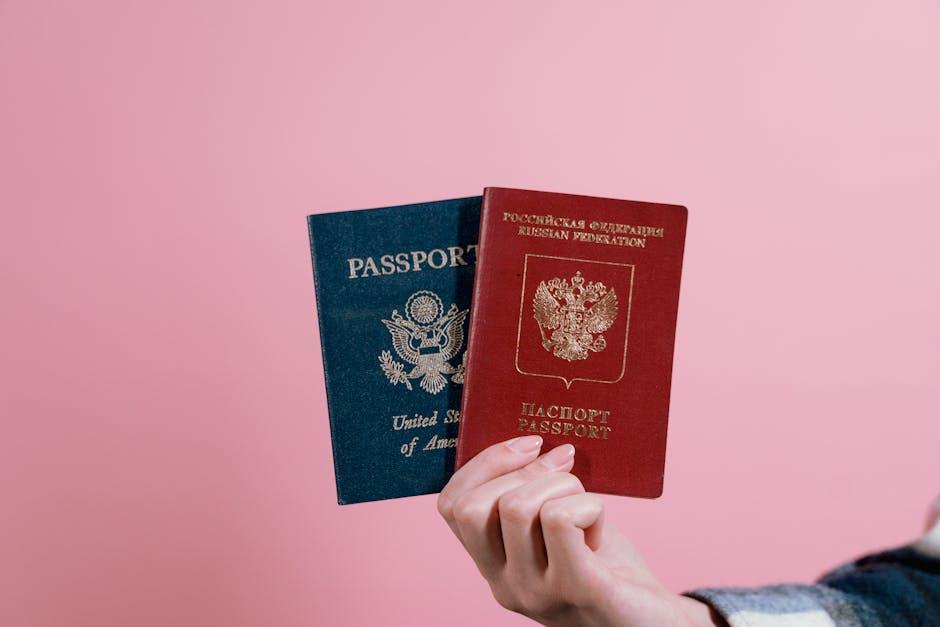
Challenges and Opportunities in Cross-Border Identity Management
Managing identity across borders presents a unique set of challenges for dual national passport holders, as differing legal frameworks and privacy standards often conflict. These complexities can affect everything from visa applications to digital authentication. Additionally, the lack of a unified data exchange system complicates real-time verification, leading to delays and increased risk of identity fraud. On a practical level, individuals must navigate varying documentation requirements, sometimes facing the paradox of being recognized as both a citizen and a foreigner, depending on the jurisdiction.
Despite these obstacles, the evolving landscape also opens new doors for innovation. Emerging technologies such as blockchain and decentralized identity platforms promise enhanced security and seamless interoperability, enabling travelers to verify their identities across borders effortlessly. Governments and international bodies are beginning to explore collaborative frameworks that prioritize data privacy while fostering smoother identity management processes. Key areas of opportunity include:
- Standardized biometric protocols to ensure consistent identity verification worldwide
- Cross-border digital identity wallets that consolidate multiple credentials in one secure app
- Improved legal harmonization to reduce bureaucratic friction in dual nationality contexts
- Enhanced traveler experience with streamlined immigration and customs processing
Maintaining Security and Privacy with Multiple National Identities
Managing multiple national identities requires a strategic approach to safeguard personal data while respecting each country’s legal frameworks. Travelers and residents holding dual passports must implement layered security measures such as encrypted digital wallets for storing document scans and using secure, private networks when accessing sensitive government databases. Cross-border identity verification tools that comply with international privacy standards can significantly reduce the risk of identity theft and unauthorized data sharing.
Transparency and vigilance are key when juggling dual identities. Maintaining a set of best practices—like regularly updating passwords, enabling two-factor authentication, and monitoring personal information through trusted services—helps prevent lapses that could compromise identity integrity. Consider the following essentials:
- Data Minimization: Share only the necessary information when processing documents or applying for services.
- Secure Storage: Store physical and digital identity documents in locked, encrypted environments.
- Awareness of Local Laws: Understand privacy statutes in each country to avoid unintentional breaches.
| Security Measure | Benefit | Recommended Tools |
|---|---|---|
| Encrypted Digital Wallets | Protects document copies from hacking | Signal, LastPass, 1Password |
| Two-Factor Authentication | Prevents unauthorized login attempts | Google Authenticator, Authy |
| Regular Data Audits | Identifies data leaks or suspicious activities | Experian, LifeLock |
Practical Tips for Traveling and Living with Dual Passports
Managing life with dual passports requires a strategic approach to ensure smooth travel and seamless daily living. Always carry both passports when crossing borders, as each nationality might have distinct entry and exit requirements. Additionally, be aware of the visa privileges each passport offers—it can be advantageous to present the passport that grants easier access to your destination. To avoid complications, declare your dual citizenship status upfront when required by authorities, and keep digital and physical copies of both passports handy in case of loss or emergency.
Beyond travel logistics, dual passport holders should consider practical everyday scenarios such as banking, healthcare, and residency regulations. Different countries have varying rules regarding taxation and legal obligations for citizens living abroad. Prioritize keeping up-to-date on local laws in both countries to benefit from your rights without unintended legal pitfalls. The table below summarizes essential checkpoints to manage dual citizenship effectively:
| Aspect | Tip |
|---|---|
| Border Control | Use the passport matching your destination/nation of residence |
| Visa Applications | Check visa-free access for both passports before traveling |
| Legal Compliance | Stay informed on dual citizenship laws in both countries |
| Emergency Preparedness | Keep copies of both passports accessible |
| Financial Matters | Understand taxation rules affecting your status abroad |
Balancing Cultural Identity and Legal Obligations in a Globalized World
In today’s interconnected world, individuals holding dual national passports navigate a unique intersection where cultural identity meets legal responsibility. This balancing act often involves embracing diverse customs, languages, and values, while simultaneously adhering to the distinct legal frameworks of each nation. Maintaining this duality enriches personal identity but can also complicate matters such as tax obligations, voting rights, and military service requirements. For many, it’s a delicate dance of honor and compliance — where the heart’s allegiance intertwines with the letter of the law.
Successfully managing these responsibilities demands a nuanced understanding of both cultures and the bilateral agreements that govern citizenship status. Awareness of key areas can ease this journey:
- Legal Documentation: Timely renewal and recognition of passports and visas to maintain status validity.
- Fiscal Responsibilities: Navigating taxes and financial disclosures that may differ or overlap across borders.
- Civic Engagement: Understanding voting rights and conscription laws, where applicable.
- Cultural Expression: Preserving heritage while respecting the societal norms of each country.
| Aspect | Challenges | Strategies |
|---|---|---|
| Legal Compliance | Conflicting obligations | Consult legal experts |
| Cultural Identity | Balancing traditions | Community involvement |
| Taxation | Double taxation risks | Utilize treaties |
| Civic Duties | Dual voting laws | Clarify rights/responsibilities |
To Conclude
In the intricate dance of dual national passports, identity becomes a bridge rather than a boundary—a mosaic crafted from threads of culture, law, and personal experience. As the world grows ever more interconnected, navigating these parallel identities requires not only understanding the legal landscapes but also embracing the fluidity of belonging. Ultimately, holding multiple passports is more than a matter of travel convenience; it is a testament to the evolving narrative of self in a globalized era, inviting each individual to write their own story across borders.