In a world where borders blur and identities intertwine, the concept of nationality has evolved into a complex mosaic. Navigating dual nationality offers both intriguing opportunities and intricate challenges, weaving together legal, cultural, and personal threads. This article embarks on a balanced exploration of what it means to hold citizenship in two nations—unpacking the benefits, exploring the hurdles, and shedding light on the nuanced reality that shapes the lives of millions living between worlds. Whether driven by heritage, ambition, or circumstance, dual nationality invites us to rethink what it truly means to belong.
Understanding the Legal Landscape of Dual Nationality
Dual nationality operates within a complex web of laws that vary widely across countries, creating a dynamic legal environment for those holding more than one citizenship. While some nations embrace dual citizenship, recognizing it as a bridge that fosters cultural exchange and economic ties, others impose strict limitations or prohibit it altogether. Understanding this legal mosaic is essential, as it directly affects your rights, obligations, and even your identity on an international stage.
Key legal considerations to keep in mind include:
- Rights and Duties: Dual nationals often enjoy the rights of both countries but must also fulfill legal responsibilities, such as taxes, military service, or civic duties.
- Conflict of Laws: Situations may arise where the laws of your two countries clash, requiring careful navigation to avoid legal pitfalls.
- Travel Restrictions: Passport usage and visa requirements can become more complicated, influenced by diplomatic relations and bilateral agreements.
| Country Stance | Allows Dual Nationality | Restricts Dual Nationality | Prohibits Dual Nationality |
|---|---|---|---|
| Examples | Canada, Australia, France | Japan, Singapore | China, India |
| Notes | Flexible policies, encouraging multicultural citizenship | Requires renunciation of previous citizenship in some cases | Strict prohibition, citizens must choose one nationality |
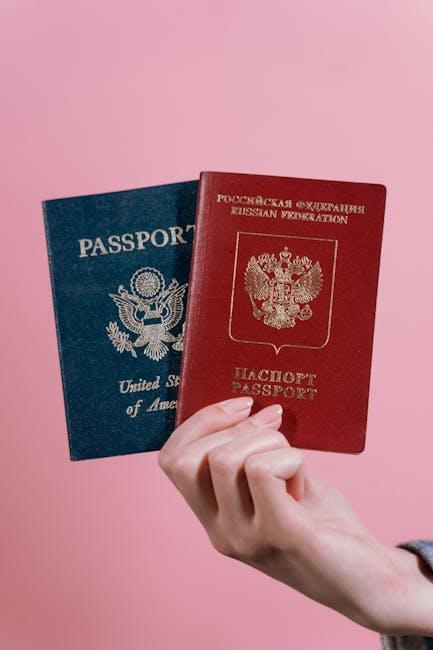
Balancing Rights and Responsibilities Across Borders
Dual nationality presents a unique blend of privileges and obligations, requiring individuals to carefully navigate the interplay between two sets of legal frameworks. Holding citizenship in multiple countries can grant expanded rights such as voting in different elections, easier travel, or access to social services. However, these benefits come with corresponding duties like paying taxes, obeying the laws, and fulfilling civic responsibilities in each nation. Successfully managing these cross-border commitments necessitates an informed awareness of each country’s expectations and the potential challenges they pose.
It’s essential to consider how dual nationals can maintain balance without compromising their identity or legal standing. The following list highlights key considerations in this delicate balancing act:
- Taxation Obligations: Understanding where and how to file taxes to avoid legal penalties or double taxation.
- Legal Compliance: Adhering to laws in both countries, including differences in military service requirements and residency regulations.
- Cultural Integration: Respecting the cultural norms and social responsibilities inherent in each citizenship.
- Diplomatic Protections: Recognizing scenarios where diplomatic support may be limited due to dual allegiance.
| Responsibility | Country A | Country B |
|---|---|---|
| Voting Rights | Allowed in national & local elections | Allowed only in national elections |
| Tax Filing | Annual declaration required | Tax treaty prevents double taxation |
| Military Service | Mandatory for 12 months | Voluntary only |
| Consular Assistance | Full support abroad | Limited support during dual-residence |
Cultural Identity and the Personal Journey of Dual Citizenship
Holding dual citizenship often means walking a path woven with threads from two rich cultural tapestries. This intertwining of identities can bring about a dynamic personal journey, where one constantly navigates between the traditions, values, and expectations of both nations. It’s a balancing act—a dance of embracing multiple heritages while forging a unique sense of self. Many individuals find that their dual national status enriches their worldview, providing a broader perspective and enhanced empathy toward different cultures and ways of life.
However, the experience isn’t without its complexities. Dual citizens frequently face internal questions like:
- Which culture influences my daily choices more?
- How do I honor traditions from both sides without losing authenticity?
- What role does each country play in defining my identity?
These reflective questions deepen the personal journey, encouraging an ongoing dialogue between heritage and individuality. In many ways, the dual cultural identity becomes less about choosing one nation over the other and more about embracing a fusion, creating an enriched self that thrives in diversity.
Financial Implications and Tax Considerations for Dual Nationals
Dual nationals often find themselves navigating complex financial landscapes that span multiple jurisdictions. One of the most critical aspects to consider is the potential for double taxation, where income may be taxed in both countries of citizenship. Fortunately, many nations have established tax treaties that mitigate this burden, allowing individuals to claim credits or exemptions to avoid paying twice. Understanding each country’s tax laws and treaty provisions is essential for effective financial planning, especially regarding income earned abroad, property ownership, and inheritance. Consulting with cross-border tax advisors can help dual nationals optimize their financial decisions and ensure compliance.
Beyond income taxes, there are other fiscal obligations and opportunities unique to dual citizens. These include:
- Reporting requirements: Some countries mandate disclosure of foreign bank accounts and assets, such as the United States’ FBAR and FATCA regulations.
- Social security contributions: Contributions may be required in both countries unless bilateral agreements coordinate benefits.
- Retirement planning: Access and taxation of pensions can vary, influencing where it might be beneficial to claim benefits.
- Estate planning complexities: Dual nationality can complicate inheritance taxes and succession laws.
| Financial Aspect | Key Consideration | Potential Impact |
|---|---|---|
| Income Tax | Double Taxation Treaties | Reduced tax burden |
| Asset Reporting | Compliance with disclosure laws | Avoidance of penalties |
| Social Security | Agreements for benefit coordination | Prevent double contributions |
| Estate Planning | Varied inheritance laws | Protects assets for heirs |
Practical Strategies for Managing Dual Nationality Challenges
Successfully navigating the complexities of dual nationality requires a proactive approach rooted in clarity and organization. One effective strategy is to maintain a comprehensive document folder—both physical and digital—that holds passports, citizenship certificates, tax documents, and any correspondence with government agencies. This approach minimizes the risk of missing critical deadlines related to renewals, taxes, or legal obligations. Additionally, staying informed about the evolving laws in both countries helps avoid surprises, such as changes in military service requirements or shifts in voting rights.
Effective communication also plays a pivotal role in mitigating dual nationality challenges. Establishing clear boundaries and expectations with family members who reside in different countries can prevent misunderstandings related to inheritance laws or property rights. Furthermore, seeking professional advice from immigration lawyers or tax consultants who specialize in dual citizenship cases can demystify complex issues. Below is a quick-reference guide to key areas often requiring attention:
| Area of Concern | Recommended Action |
|---|---|
| Tax Compliance | Consult tax specialists in both countries |
| Legal Obligations | Review bilateral agreements between nations |
| Identity Maintenance | Celebrate cultural heritage actively |
| Travel Logistics | Keep travel documents updated and accessible |
To Conclude
In the intricate dance of dual nationality, individuals find themselves navigating a rich tapestry of opportunities and responsibilities, each thread woven with identity, legality, and belonging. While the path may be fraught with complexities—from legal nuances to cultural balance—the rewards of embracing multiple citizenships can be profound, offering expanded horizons and deeper global connections. Ultimately, understanding the delicate interplay between rights and duties allows dual nationals to stride confidently forward, crafting a unique narrative that transcends borders and redefines what it means to belong in an interconnected world.