In a world where borders blur and roots intertwine, living with dual nationality is both a gift and a delicate dance. It means carrying two flags in your heart, two languages on your tongue, and two histories shaping your identity. Navigating dual nationality is more than a legal status—it’s a continuous journey of balancing contrasting traditions, loyalties, and senses of belonging. This article explores the intricate art of embracing two homelands, revealing how individuals craft harmony amid the complexities of dual identities in an increasingly interconnected world.
Understanding the Emotional Landscape of Dual Nationality
Embracing dual nationality opens a complex emotional tapestry where pride, nostalgia, and occasional conflict intermingle. It’s not uncommon for individuals to experience a profound sense of belonging to two distinct cultures, each carrying its own set of traditions, languages, and values. This emotional landscape often brings moments of joy through shared festivities and familial bonds, while simultaneously challenging one to reconcile differing social norms and expectations. The heart navigates through a delicate spectrum—celebrating diversity yet yearning for cohesion between these homeland identities.
Balancing such duality involves subtle internal dialogues and external interactions. Many find themselves mastering the art of cultural code-switching, adapting behaviors and mindsets to fit varying contexts. The emotional journey can be summarized by key experiences:
- Connection: Deep-rooted ties to cultural heritage that influence personal and collective identity.
- Ambivalence: Fluctuating feelings of inclusion and exclusion within each national community.
- Adaptation: Continuous navigation of contrasting traditions and social expectations.
- Resilience: Building strength from embracing a hybrid identity in an often polarized world.
| Emotional Aspect | Dual Nationality Experience |
|---|---|
| Sense of Belonging | Rooted in two distinct communities |
| Identity Conflict | Reconciling different cultural expectations |
| Cultural Pride | Celebration of diverse heritages |
| Emotional Growth | Developing adaptability and empathy |
Legal Challenges and Rights in Holding Two Passports
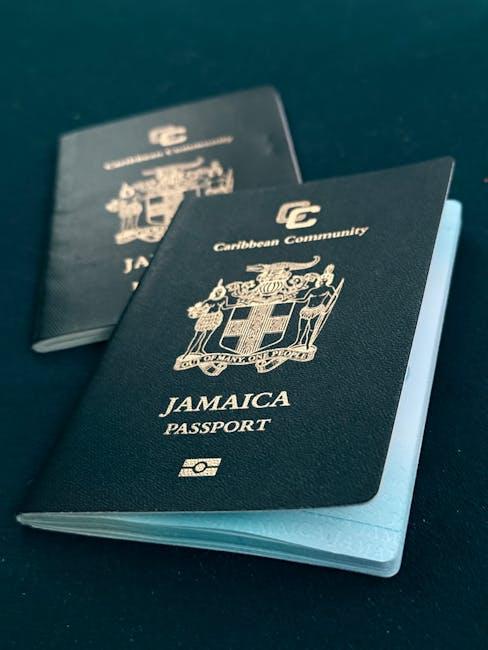
Holding dual citizenship often opens a complex web of legal responsibilities and potential conflicts. Each country may impose unique regulations on taxation, military service, and political rights that dual citizens must navigate carefully. For instance, while some nations require compulsory military service regardless of other nationalities held, others offer exemptions or allow deferrals. Failure to understand and adhere to these obligations can lead to legal penalties or unintended diplomatic complications between the two states.
Understanding your rights is just as critical. Dual nationals have the benefit of certain protections, such as consular assistance from both countries when abroad or unrestricted access to public services and social benefits. However, it’s essential to be aware that holding two passports can sometimes limit rights like voting in one country if citizenship rules favor single nationality. Below is a simple overview of common legal factors dual nationals face:
| Legal Aspect | Potential Impact | Typical Variations |
|---|---|---|
| Taxation | Double taxation risk | Tax treaties may apply |
| Military Service | Mandatory conscription | Exemptions or deferments |
| Political Rights | Voting and office eligibility | Restrictions vary widely |
| Travel Freedom | Access to multiple visa-free zones | Subject to passport rules |
Cultural Integration Strategies for a Harmonious Identity
Successfully blending the essence of two distinct cultures requires more than just acknowledgment; it demands an immersive experience that honors both heritages equally. Prioritizing open communication within communities fosters a shared understanding, enabling dual nationals to embrace traditions without conflict. Creating spaces—such as cultural workshops, language exchange meetups, and joint festivals—invites positive interactions that cultivate respect and empathy across borders.
Key approaches to cultural integration include:
- Active participation in cultural events from both origins to build a fluid and inclusive identity.
- Educational programs that highlight the historical and contemporary relevance of dual backgrounds.
- Support networks offering mentorship for navigating societal expectations and personal growth.
- Promotion of bilingualism to enhance cognitive flexibility and cultural fluency.
| Strategy | Benefit | Example |
|---|---|---|
| Community Engagement | Builds support networks | Dual Heritage Festivals |
| Language Learning | Enhances communication skills | Bilingual Storytelling Sessions |
| Cultural Education | Fosters identity pride | Interactive History Workshops |
Building Connections with Both Homelands Through Language and Traditions
Embracing two cultures means weaving a rich tapestry of language and traditions that bridge generations and geographies. Language serves not only as a tool for communication but as a living connection to stories, values, and emotions passed down from both homelands. By nurturing bilingual abilities, individuals can effortlessly navigate between worlds, preserving authenticity in expression while fostering deeper empathy and understanding. This linguistic duality often becomes a cherished gateway to cultural heritage, unlocking access to festivals, literature, and daily rituals that shape identity.
Maintaining customs from both backgrounds invites a joyful fusion of rituals and celebrations, creating a unique cultural mosaic within the home. Consider incorporating these practices into your lifestyle to strengthen ties with both roots:
- Seasonal holidays: Celebrate different national festivals to honor each heritage.
- Family recipes: Cook traditional dishes from both countries to share stories and flavors.
- Folklore and music: Listen to songs and tales that resonate with each culture’s spirit.
| Activity | Connection Benefit |
|---|---|
| Language Exchange Evenings | Share and practice both languages with community members |
| Cultural Storytelling Nights | Preserve and share heritage through stories and myths |
| Hybrid Festive Celebrations | Blend traditions to create new family rituals |
Practical Tips for Managing Dual Citizenship Responsibilities
Embracing the responsibilities tied to dual citizenship means mastering the art of balance. Start by understanding the legal obligations in each country, such as taxes, voting, and military service, so you’re always ahead of deadlines and requirements. Maintaining updated documentation, like passports and residency permits, is crucial to avoid travel or legal hiccups. Consider creating a personalized calendar highlighting important dates to stay organized effortlessly.
Communication plays a vital role in managing these responsibilities smoothly. Establish relationships with consulates or local authorities who can offer guidance when challenges arise. Additionally, immerse yourself in the cultures of both homelands to nurture a sense of belonging and respect for their values. Here are a few practical strategies to keep your dual citizenship journey seamless:
- Stay informed: Subscribe to official newsletters or websites from both countries.
- Financial planning: Consult experts about tax obligations to optimize compliance.
- Language efforts: Maintain fluency to connect with communities authentically.
- Document security: Keep both passports and key documents in secure, accessible places.
| Responsibility | Recommended Action | Frequency |
|---|---|---|
| Passport Renewal | Check expiration and renew | Every 5-10 years |
| Tax Filing | Consult accountant and file | Annually |
| Voting Registration | Verify status and register | Before elections |
| Consulate Contact | Update contact info and seek help | As needed |
The Way Forward
In the intricate dance of dual nationality, individuals often find themselves weaving together threads of two distinct cultures, histories, and identities. Navigating this journey requires both reflection and embrace—honoring the roots of each homeland while forging a unique path that blends them harmoniously. As borders blur and global connections deepen, the experience of holding two nationalities becomes not just a legal status, but a rich narrative of belonging, resilience, and self-discovery. Ultimately, balancing dual identities reveals that home is not just a place on a map, but a mosaic crafted from the heart’s many allegiances.