In an increasingly interconnected world, the concept of identity is evolving beyond borders, giving rise to a unique and complex reality: dual nationality. Holding citizenship in two countries opens doors to a wealth of opportunities—cultural richness, expanded rights, and global mobility—while also presenting a labyrinth of legal intricacies and personal dilemmas. This article embarks on a thoughtful exploration of the benefits and challenges that come with navigating dual nationality, illuminating the delicate balance between belonging and bureaucracy in a world without borders.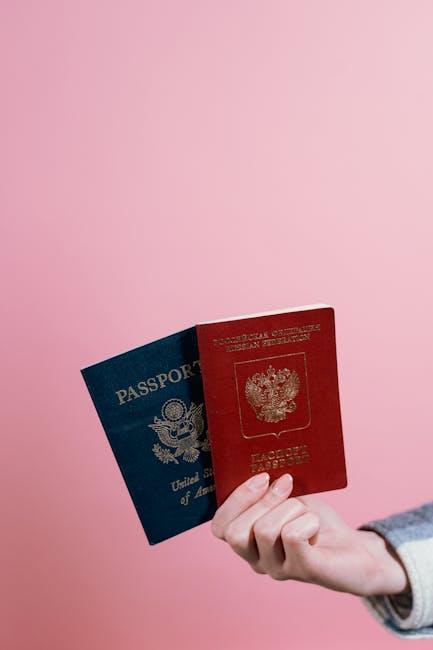
Understanding the Legal Landscape of Dual Nationality
Dual nationality operates within a complex legal framework that varies widely between countries, influencing rights, responsibilities, and the ease with which individuals can switch between identities. Some nations embrace dual citizenship, recognizing it as a bridge for cultural exchange and economic opportunity. Conversely, others impose strict regulations, often requiring individuals to renounce one citizenship upon acquiring another. This disparity can lead to unexpected legal challenges, such as conflicting tax obligations or compulsory military service, emphasizing the importance of understanding each country’s stance before pursuing dual nationality.
Key factors to consider under this intricate legal landscape include:
- Residency Requirements: Some nations demand continuous residence to maintain citizenship status.
- Political Participation: Dual nationals may face restrictions on voting or holding public office.
- Passport Validity: Certain countries don’t recognize passports from a second nationality when within their borders.
- Inheritance Laws: Conflicting rules may affect estate planning across borders.
| Country | Dual Nationality Allowed? | Key Restriction |
|---|---|---|
| Canada | Yes | None |
| Japan | No | Requires renunciation by age 22 |
| Brazil | Yes | Obligation to vote |
| Saudi Arabia | No | Civil and military penalties |
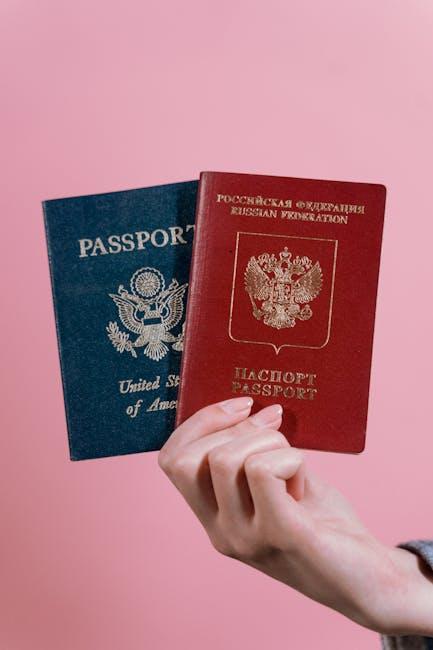
Cultural Identity and Personal Growth in a Dual Nationality Journey
Embarking on a dual nationality journey often means navigating two distinct cultural landscapes simultaneously. This experience enriches personal identity by weaving together diverse traditions, languages, and worldviews. The interplay between these cultures fosters adaptability and empathy, enabling individuals to act as bridges between communities. However, this fusion can also challenge one’s sense of belonging, as internal conflicts arise from contrasting expectations or societal perceptions linked to each nationality.
Personal growth in this context thrives on embracing complexity. Individuals learn to celebrate diversity within themselves, which promotes resilience and open-mindedness. The balancing act can be visualized as:
| Aspect | Opportunities | Challenges |
|---|---|---|
| Language | Expanded communication skills | Potential language dominance conflict |
| Traditions | Rich celebrations and rituals | Difficulty prioritizing customs |
| Social Identity | Broadened social networks | Feeling “in-between” communities |
- Cultural fluency enhances both personal and professional relationships.
- Identity negotiation cultivates self-awareness and deeper understanding.
- Dual perspectives encourage creative problem-solving and innovation.
Economic Opportunities and Financial Considerations for Dual Citizens
Dual citizenship offers a unique gateway to broaden financial horizons by unlocking access to job markets, investment opportunities, and social benefits in two countries. This can mean the ability to work remotely across borders, tap into government subsidies or grants, and engage in property ownership without the typical restrictions imposed on foreigners. Moreover, dual citizens often benefit from diversified income streams and can leverage currency arbitrage to optimize their savings and investments. However, these opportunities come with the need for savvy financial planning and an understanding of the tax regimes that apply in each jurisdiction.
Key financial considerations include:
- Compliance with tax laws of both countries, including potential double taxation.
- Currency exchange risk and management strategies.
- Access to banking services and credit facilities internationally.
- Estate planning complexities arising from differing inheritance laws.
| Opportunity | Benefit | Challenge |
|---|---|---|
| Investment Access | Purchase property or stocks without foreigner restrictions | Varied regulatory environments to navigate |
| Employment | Work in two labor markets seamlessly | Managing social security contributions in both countries |
| Tax Planning | Deductions and benefits in either jurisdiction | Risk of double taxation if treaties aren’t clear |
Navigating Bureaucracy and Taxation Challenges Effectively
Dealing with the complex layers of bureaucracy inherent to dual nationality demands patience and strategic planning. Governments may require extensive documentation for proof of citizenship, residency, or tax status, often leading to prolonged waiting periods and frustrating paperwork. To ease this process, it’s crucial to stay organized: keep copies of all relevant documents, understand specific country requirements, and learn the timelines involved. Leveraging digital portals where available can also enhance efficiency. Furthermore, connecting with consulates or embassies can provide clarity and assistance when navigating these administrative hurdles.
Taxation represents another significant aspect to master, especially since dual nationals might be obligated to file taxes in more than one country. Variances in tax laws and double taxation agreements can complicate financial obligations and reporting requirements. Understanding local tax treaties and seeking the expertise of tax professionals familiar with international tax law is essential. Below is a quick comparison of typical tax challenges faced by dual nationals:
| Challenge | Key Considerations | Potential Solutions |
|---|---|---|
| Double Taxation | Taxing the same income in two countries | Check for tax treaties & claim foreign tax credit |
| Reporting Requirements | Multiple tax return filings and disclosure of foreign assets | Maintain detailed records & hire expert accountants |
| Currency and Exchange | Converting income between currencies for tax purposes | Use official exchange rates and consult tax advisors |
Practical Tips for Balancing Rights and Responsibilities Across Borders
Successfully managing the delicate balance between rights and responsibilities while holding dual nationality requires proactive awareness and strategic planning. Begin by thoroughly researching the legal frameworks of both countries involved, especially regarding taxation, voting obligations, and mandatory military service. Remember, national rights often come hand-in-hand with equally significant duties. Practical measures include:
- Maintaining up-to-date documentation to avoid lapses in citizenship status
- Registering with both countries’ consulates to stay informed about legal changes
- Using professional advice, such as tax consultants familiar with dual citizenship intricacies
Creating a personal calendar or checklist can help track critical deadlines, such as tax submissions or voting dates in both nations. Additionally, fostering open communication with family members and legal advisors can smooth unexpected challenges. Below is a simple overview illustrating the dual-national responsibilities in two hypothetical countries:
| Responsibility | Country A | Country B |
|---|---|---|
| Income Tax Filing | Annual required | Annual required with exemptions |
| Voting | Compulsory for citizens aged 18+ | Optional but encouraged |
| Military Service | Mandatory for males aged 18-25 | Voluntary |
To Wrap It Up
In the intricate dance of identity and belonging, dual nationality offers a unique rhythm—one that blends opportunity with complexity. As we’ve explored, the benefits of embracing multiple legal ties can open doors to diverse cultures, economies, and communities. Yet, the challenges—be they legal, emotional, or logistical—remind us that holding two passports often means balancing more than just paperwork; it’s about navigating a multifaceted journey of selfhood. Ultimately, understanding the nuances of dual nationality empowers individuals to chart their own course with clarity and confidence, embracing the richness that comes with living in between worlds.