In an increasingly interconnected world, holding dual nationality has become both a symbol of global citizenship and a practical reality for millions. This unique status offers a passport to diverse opportunities—access to multiple cultures, economies, and legal systems—while also presenting a web of legal, social, and emotional complexities. Navigating the benefits and challenges of dual nationality requires more than just understanding the laws; it calls for a nuanced appreciation of identity, responsibility, and belonging. In this article, we explore the multifaceted landscape of dual nationality, shedding light on its advantages and the intricate considerations it demands.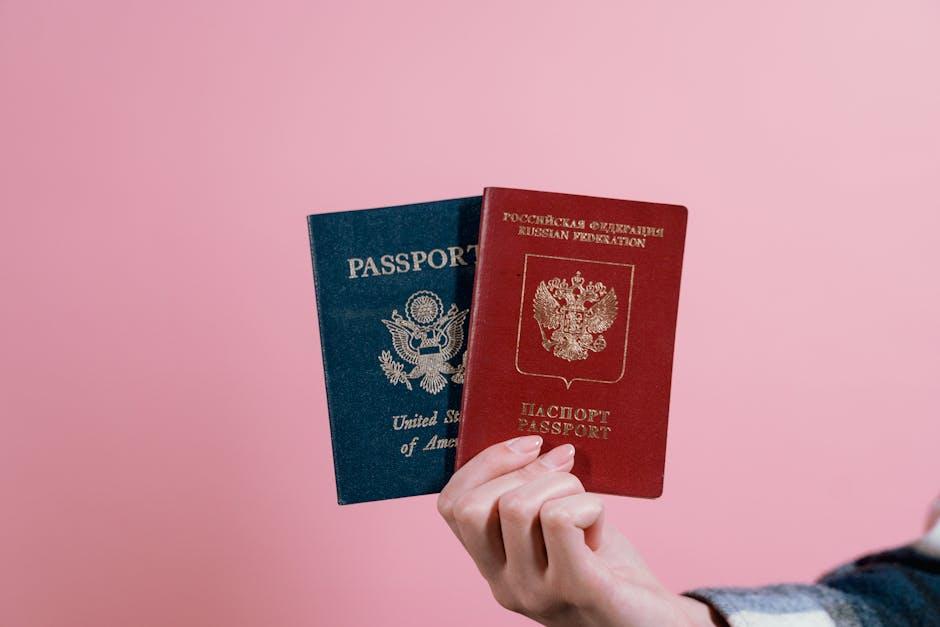
Understanding the Legal Landscape of Dual Nationality
Dual nationality introduces a fascinating interplay between two legal systems that often come with distinct rights and obligations. Each country has its own rules governing citizenship, ranging from eligibility criteria, registration processes, to potential restrictions on holding multiple passports. For instance, some nations permit dual citizenship without exception, while others may require individuals to relinquish one nationality upon acquiring another. Navigating these laws can be complex, especially when policies shift due to political landscapes or diplomatic relations.
Understanding the legal nuances is crucial for anyone considering this status. Key areas to keep in mind include:
- Tax Obligations: Dual nationals might face tax liabilities in both countries, requiring careful financial planning.
- Military Service: Some countries mandate conscription, which may impact dual citizens.
- Travel Restrictions: Passports and visa requirements vary depending on the nation of entry and citizenship held.
| Country | Dual Citizenship Policy | Key Restriction |
|---|---|---|
| Country A | Allowed without limitation | None |
| Country B | Allowed with notification | Military service requirement |
| Country C | Not recognized | Must renounce previous citizenship |

Unlocking the Advantages of Holding Two Passports
Holding dual citizenship opens doors to a world of opportunities that transcend borders. With two passports in hand, travelers often enjoy visa-free or visa-on-arrival access to a greater number of countries, turning complex itineraries into seamless adventures. Beyond travel perks, dual nationals can tap into social and economic benefits such as work rights, education access, and healthcare services in both countries, creating a robust safety net. This unique status can also facilitate property ownership and business ventures that might otherwise be restricted by nationality.
For those navigating the complexities of dual nationality, understanding legal nuances is crucial. Each country imposes its own rules regarding taxation, military service, and voting rights, which means dual nationals must often juggle obligations in two jurisdictions. The following table highlights a snapshot of common rights and responsibilities often encountered by dual passport holders:
| Aspect | Potential Benefit | Common Requirement |
|---|---|---|
| Travel Flexibility | Broader visa-free access | Carry both passports on trips |
| Employment | Work legally in both countries | Meet local employment laws |
| Taxation | Access to local tax benefits | File taxes in both nations |
| Voting | Participate in two democratic processes | Register as a voter in each country |
Managing Tax Obligations Across Multiple Countries
Juggling tax responsibilities when you hold citizenship in more than one country requires a strategic approach. Each nation has its own set of tax codes, residency rules, and reporting requirements, which can sometimes overlap or conflict. To avoid unexpected liabilities, it’s essential to understand how tax treaties work between the involved countries. These treaties often provide relief by eliminating double taxation or allowing credits for taxes paid abroad. Moreover, keeping meticulous records of income sources, dates of physical presence, and tax payments ensures smoother filing processes and minimizes the risk of penalties.
Consider the following key challenges and best practices for managing tax duties effectively:
- Residency test complexities: Different countries may define tax residency based on varied criteria such as days spent, permanent home, or center of vital interests.
- Foreign income reporting: Some countries require citizens to report worldwide income regardless of residence.
- Currency conversion: Income and tax payments often need to be calculated in local currency, which can fluctuate.
- Professional consultation: Engaging experienced tax professionals familiar with dual nationality tax laws can save time and avoid costly mistakes.
| Country | Tax Residency Rule | Common Tax Treaty Benefit |
|---|---|---|
| USA | Physical presence & green card | Foreign tax credit |
| UK | Statutory residency test | Double taxation exemption |
| Canada | Residential ties assessment | Income tax relief |
Balancing Cultural Identity and National Loyalties
Living with dual nationality often means embracing a delicate dance between diverse cultural identities and national loyalties. It requires a conscious effort to appreciate and honor the traditions, values, and histories that shape each identity. This balancing act can be enriching, offering a broader worldview and a deep sense of belonging in multiple communities. However, it also presents challenges, such as reconciling conflicting social expectations or navigating complex political landscapes that may demand exclusive allegiance.
Successfully managing this duality involves strategic awareness and emotional intelligence. Those who navigate it well tend to:
- Celebrate diversity: Actively incorporate elements of both cultures into daily life, from language to cuisine.
- Adapt flexibly: Understand when to assert which identity depending on context without feeling pressured to choose sides.
- Educate others: Share personal experiences to foster understanding and reduce cultural misunderstandings.
| Challenge | Adaptive Strategy | Benefit |
|---|---|---|
| Conflicting Values | Open dialogue with family and friends | Mutual respect and empathy |
| Political Loyalty Tensions | Stay informed and neutral in divisive debates | Preservation of peaceful relationships |
| Identity Confusion | Personal reflection and community involvement | Stronger self-awareness and confidence |
Practical Tips for Smooth Dual Citizenship Integration
Successfully managing dual citizenship requires not only understanding legal obligations but also embracing cultural nuances. Start by organizing your documentation meticulously, ensuring passports, visas, and residency permits are always valid and accessible. Frequent communication with consulates or embassies can prevent unforeseen complications and keep you informed about any changes in laws or travel advisories. Additionally, staying aware of tax responsibilities in both countries can save you from potential legal pitfalls—consulting with a tax professional experienced in dual citizenship cases is highly recommended.
Integration isn’t just bureaucratic; it’s also personal. Building a routine that honors both cultures fosters a balanced identity and eases transitions between countries. Engage in local communities, partake in national holidays, and learn or maintain language skills to deepen your connection. Below is a quick reference table to balance dual citizenship commitments effectively:
| Aspect | Tip for Easy Integration |
|---|---|
| Legal Compliance | Keep updated with immigration & tax laws |
| Travel Planning | Use the appropriate passport for each country |
| Cultural Engagement | Participate in festivals & language groups |
| Financial Management | Maintain separate banking accounts if necessary |
| Healthcare | Understand coverage & rights in both nations |
Future Outlook
In the ever-evolving landscape of global citizenship, dual nationality stands as both a key and a puzzle. It unlocks doors to diverse opportunities, bridges cultures, and expands one’s horizons, yet it also carries with it a tapestry of legal nuances and personal considerations. Navigating this intricate balance requires awareness, thoughtful planning, and sometimes, a willingness to embrace complexity. Ultimately, understanding the benefits alongside the challenges empowers individuals to make informed choices that harmonize identity with opportunity in a world without borders.