In an increasingly interconnected world, holding dual nationality has become more than just a legal status—it’s a gateway to a unique blend of cultures, opportunities, and challenges. Navigating the complexities of dual citizenship requires not only an understanding of its numerous benefits but also a keen awareness of the legal nuances that come with it. This article delves into the multifaceted experience of dual nationality, offering insights to help individuals embrace their multiple identities while staying informed about their rights and responsibilities across borders. Whether motivated by heritage, mobility, or opportunity, exploring the terrain of dual citizenship reveals a rich landscape where law and identity intersect.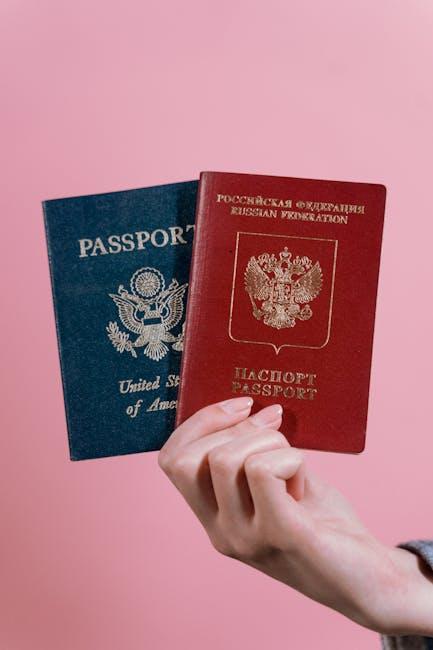
Understanding Dual Nationality and Its Global Impact
Embracing dual nationality opens a dynamic gateway to a world of personal and professional opportunities. Individuals with multiple citizenships can seamlessly traverse borders, accessing varied cultural experiences and harnessing benefits such as
- travel flexibility without the need for frequent visa applications,
- expanded work rights in more than one country,
- educational opportunities across diverse systems, and
- inheritance and property ownership advantages that are often restricted to citizens.
Beyond individual advantages, dual nationality influences global relations—fostering transnational connections and combining diverse legal frameworks. Yet, it also requires navigating complex jurisdictions and respecting each country’s citizenship laws harmoniously. Understanding these nuances helps mitigate complications like tax obligations or conflicting allegiances.
| Aspect | Consideration |
|---|---|
| Legal Recognition | Varies by country; some restrict dual nationality |
| Rights | Voting, employment, social benefits in each country |
| Obligations | Taxes, military service, legal compliance |
| Diplomatic Protection | May differ in countries of citizenship |
Exploring the Legal Rights and Obligations of Dual Citizens
Holding dual citizenship opens a fascinating realm where two legal systems converge, creating both opportunities and complexities. Dual citizens possess unique rights such as the ability to live, work, and vote in two countries. However, these privileges come with obligations that vary widely depending on national laws. For instance, some countries require mandatory military service, while others may impose tax responsibilities irrespective of residency. Navigating these requires a clear understanding that dual citizenship is not merely a status but a delicate balance between two sovereignties, each with its own expectations.
To clarify these interactions, consider the table below which outlines core legal obligations and rights commonly experienced by dual citizens:
| Aspect | Typical Rights | Common Obligations |
|---|---|---|
| Voting | Vote in local and national elections | Register as a voter / abide by election laws |
| Military Service | Exemption or eligibility for service | Mandatory draft in some countries |
| Taxation | Access to social benefits funded by taxes | Filing taxes in one or both countries |
| Legal Protection | Consular support abroad | Compliance with laws of both nations |
Dual citizenship challenges individuals to reconcile sometimes conflicting laws, requiring vigilance and informed decision-making. Keeping abreast of changing regulations, as well as consulting legal experts when necessary, allows dual citizens to fully embrace their rights while honoring their duties in each country of nationality.
Maximizing Personal and Professional Advantages Through Dual Citizenship
Embracing dual citizenship opens a gateway to unparalleled personal growth and global mobility. By holding two passports, individuals can enjoy enhanced travel freedom, access to diverse healthcare systems, and the ability to maintain strong familial and cultural ties across borders. Dual nationals often experience smoother transitions when relocating for education, work, or retirement, bridging communities effortlessly while expanding their worldviews.
Professionally, dual citizenship can be a strategic asset that fosters international career prospects and business opportunities. It allows you to legally work and invest in multiple countries without the usual bureaucratic hurdles, creating a competitive edge in today’s interconnected marketplace. Consider the following benefits:
- Tax optimization possibilities depending on bilateral agreements.
- Access to specialized job markets and professional networks.
- Enhanced eligibility for government contracts and grants in both nations.
| Advantage | Impact |
|---|---|
| Travel Flexibility | Visa-free access to 150+ countries |
| Legal Rights | Voting and property ownership in both countries |
| Business Opportunities | Reduced trade barriers and dual market presence |
Common Challenges in Dual Nationality and How to Overcome Them
Balancing two national identities often comes with its set of unique challenges. One common hurdle is taxation complexities, as dual nationals may be subject to tax obligations in both countries. Navigating differing tax laws and avoiding double taxation requires careful planning and sometimes professional advice. Another frequent concern is legal conflicts, such as incongruent military service requirements or inheritance laws that vary drastically between nations. Being well-informed and consulting with legal experts who specialize in dual nationality law can greatly ease these conflicts.
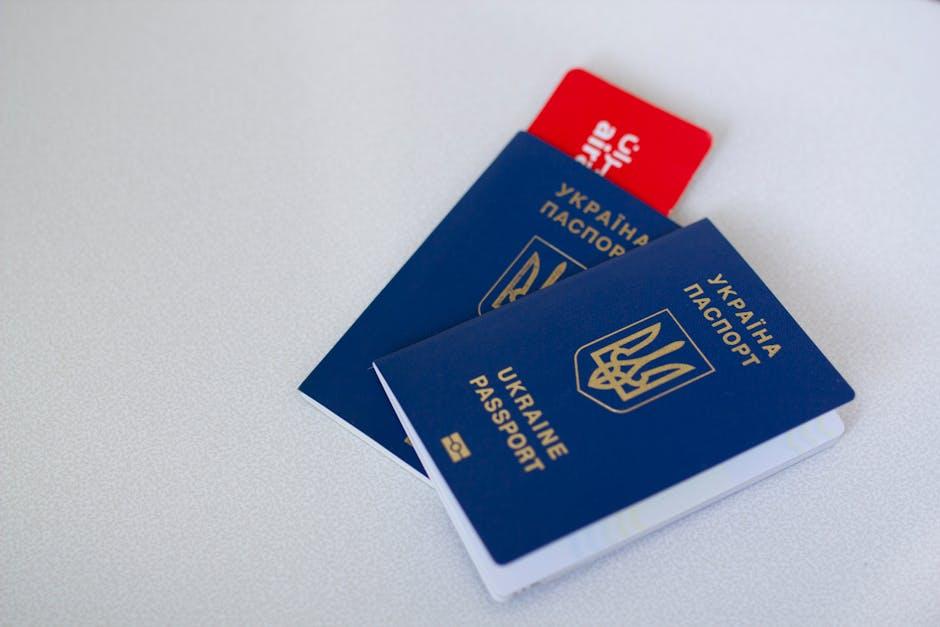
Communication and documentation also pose significant challenges. Dual nationals must maintain valid passports and identification for both countries, which can lead to confusion or delays when travelling or dealing with official matters. Additionally, Rights and benefits, like voting or social services, may not always be clearly defined for dual citizens, making it essential to know each country’s stance. Here’s a quick overview of common challenges and effective strategies to handle them:
| Challenge | How to Overcome |
|---|---|
| Tax Obligations | Consult tax experts and use treaties to avoid double taxation |
| Legal Conflicts | Seek guidance from bilateral legal specialists |
| Document Management | Keep passports and IDs up-to-date and organized |
| Unclear Rights | Research and verify each country’s policies for dual citizens |
Practical Steps for Managing Dual Citizenship Responsibly
Embracing dual citizenship requires a proactive approach to legal and personal responsibilities. Start by thoroughly understanding the tax obligations in both countries, as these can vary widely. Regularly consult with tax advisors familiar with international laws to avoid surprises during tax season. Additionally, keep all travel documents such as passports and visas up to date to ensure smooth transit between nations. Staying informed about changes in immigration laws and bilateral agreements can save you from unintentional legal pitfalls.
Establish clear communication channels with consulates or embassies representing your countries of citizenship. This helps in accessing support during emergencies or legal matters. Organize your paperwork by maintaining separate folders for financial documents, legal certificates, and residency permits, making them easily accessible when needed. Consider the following best practices:
- Stay informed: Subscribe to official government update newsletters.
- Legal counsel: Periodically review your status with an immigration lawyer.
- Community engagement: Connect with local and international groups of dual citizens.
- Cultural balance: Embrace and celebrate the traditions of both identities.
Concluding Remarks
As we conclude our journey through the intricate landscape of dual nationality, it becomes clear that holding more than one passport is far more than a mere legal status—it is a gateway to expanded opportunities, responsibilities, and identities. Balancing the privileges and obligations that come with dual citizenship requires not only an understanding of the laws that govern it but also a thoughtful appreciation of the unique cultural intersections it creates. Whether you seek greater mobility, economic advantages, or a stronger connection to your heritage, navigating dual nationality thoughtfully can open doors to a world of possibilities while keeping you grounded in the legal realities that shape this complex, enriching experience.