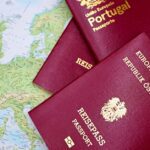
In an increasingly interconnected world, the concept of nationality no longer fits neatly into a single box. More people than ever are embracing the reality—and complexity—of holding dual citizenship. Navigating dual nationality is a journey filled with unique rights to treasure, legal and cultural challenges to overcome, and unexpected benefits to enjoy. This article explores the multifaceted landscape of dual nationality, offering insights into how individuals can manage their dual identities while maximizing opportunities in a globalized society. Whether motivated by family ties, career prospects, or personal identity, understanding the delicate balance of dual citizenship is essential in today’s border-blurring era.
Understanding the Legal Landscape of Dual Nationality
Dual nationality exists within a complex tapestry of legal regulations that vary dramatically from country to country. While some nations embrace dual citizenship, recognizing the value of maintaining multiple national ties, others impose restrictions or outright prohibit it. Understanding these nuances is essential, as dual nationals must often navigate overlapping obligations such as taxation, military service, and legal jurisdiction. Legal recognition depends heavily on bilateral agreements and individual country laws, which may affect everything from passport issuance to eligibility for public office.
Below is a simplified overview of how different countries generally treat dual citizenship:
| Country Category | Typical Stance on Dual Nationality |
|---|---|
| Permissive | Allows dual citizenship without major restrictions |
| Conditional | Permits dual citizenship with some limitations or notification requirements |
| Restrictive | Requires renunciation of other citizenships |
When juggling multiple nationalities, it’s crucial to remain well-informed of the legal responsibilities and protections each country enforces. Failure to comply can lead to complications such as loss of rights or unintended penalties. Consulting legal experts who specialize in immigration and nationality laws is often the best way to clarify these overlapping frameworks and ensure a seamless navigation through the legal landscape of dual nationality.
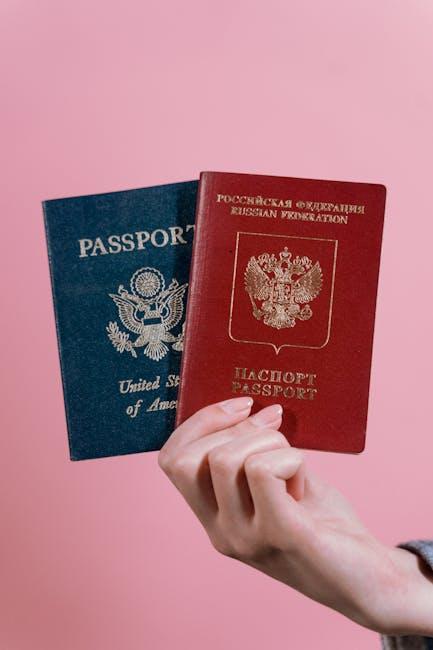
Balancing Identity and Belonging Across Borders
Living between two cultures invites a unique interplay of identity and belonging, one where individuals often weave together contrasting traditions, languages, and worldviews into a cohesive self. This dynamic balancing act can enrich personal growth, fostering a broadened perspective that transcends national borders. However, it also poses intricate challenges: the subtle tension between feeling at home in multiple places yet fully accepted in none. Many find themselves navigating complex emotional landscapes—juggling a sense of loyalty, pride, and sometimes fragmentation.
Central to this experience are the practical realities that dual nationality embodies. Legal rights unlock diverse opportunities — from simplified travel to work and education benefits — but they also require understanding the nuances of each country’s expectations, such as tax responsibilities or civic duties. Below is a snapshot illustrating how dual nationality shapes personal and legal dimensions:
| Aspect | Potential Benefit | Possible Challenge |
|---|---|---|
| Legal Rights | Access to social services in both countries | Complex tax filing requirements |
| Cultural Identity | Rich multicultural heritage | Pressure to conform to multiple societal norms |
| Mobility | Visa-free travel to multiple countries | Possible military service obligations |
Overcoming Common Challenges Faced by Dual Nationals
Balancing the legal obligations of two countries often requires meticulous planning and awareness. Dual nationals may encounter tax complexities that demand clear understanding of each nation’s tax codes and treaties. Moreover, travel restrictions or mandatory military service in one country might clash with obligations in the other, creating unexpected dilemmas. Staying informed through official resources and seeking expert advice can transform these hurdles into manageable tasks.
Social and cultural identity can also pose challenges. Living between two worlds sometimes leads to a feeling of divided loyalty or misunderstanding from others. Cultivating a supportive network—both online and offline—can foster a sense of belonging and empowerment. Key strategies to thrive include:
- Consistent documentation review to avoid legal mishaps.
- Engaging with cultural communities to maintain connection and identity.
- Leveraging diplomatic channels for support during emergencies.
- Clarifying rights and responsibilities to minimize conflicts.
Maximizing the Social and Economic Benefits of Dual Citizenship
Embracing dual citizenship unlocks a myriad of social advantages that transcend borders. It fosters cultural exchange and enhances the ability to maintain deep family and community ties across nations, creating enriched multicultural experiences for individuals and their families. Additionally, dual nationals can enjoy expanded access to social services, education, and healthcare programs in both countries, effectively broadening their safety net. This multifaceted connectivity encourages greater empathy and understanding, enabling citizens to serve as bridges between diverse societies.
On the economic front, dual citizenship offers strategic advantages that catalyze global opportunities. Individuals can capitalize on increased business mobility, accessing labor markets and entrepreneurial ventures in two countries without restrictive visa barriers. The ability to invest and own property in both nations also opens pathways for diversifying assets and growing wealth internationally. Consider the table below for a snapshot of typical economic benefits:
| Benefit | Description | Impact |
|---|---|---|
| Employment Opportunities | Work without visa restrictions in both countries | Greater job flexibility and income sources |
| Business Access | Start and run businesses utilizing both legal frameworks | Expanded market reach and growth potential |
| Property Ownership | Buy and sell property with fewer barriers | Greater investment diversification |
Practical Tips for Managing Rights and Responsibilities Effectively
Mastering the balance between rights and responsibilities in dual nationality involves proactive awareness and clear communication. Begin by organizing your legal documents meticulously—passports, residency permits, and tax records should be easily accessible and updated. Regularly reviewing the laws of both countries ensures compliance with obligations like taxes, military service, or voting rights. Consider setting reminders for renewal dates to prevent any lapses that could impact your status or benefits.
Building a network of professionals and fellow dual nationals can be invaluable. Engage with legal advisors, consular services, and expatriate communities to stay informed and supported. Here are some practical habits to help manage this dual identity effectively:
- Maintain clear records of income and financial transactions for each country.
- Stay informed about changes in immigration policies or citizenship laws.
- Use technology tools to track deadlines and document statuses.
- Communicate openly with employers regarding your nationality status.
- Participate in cultural or civic events to deepen ties and understanding.
| Responsibility | Tip for Effective Management |
|---|---|
| Tax Filing | Consult tax experts who specialize in cross-border issues |
| Legal Obligations | Track nationality-specific duties through official portals |
| Voting Rights | Register promptly and verify voting processes early |
Closing Remarks
In the intricate tapestry of global identity, dual nationality weaves together threads of opportunity, complexity, and connection. Embracing this unique status means balancing the privileges and responsibilities that come with belonging to two worlds. While challenges may arise—from legal intricacies to cultural negotiations—the benefits of enriched perspectives and expanded horizons often shine brightly. Ultimately, navigating dual nationality is a personal journey of discovery, resilience, and empowerment, inviting individuals to craft their own narrative at the crossroads of heritage and possibility.