In an increasingly interconnected world, the concept of nationality is no longer confined to singular borders or simple definitions. For millions who hold dual citizenship, the intertwining of cultures, legal systems, and identities presents a unique tapestry of opportunities and challenges. Navigating dual nationality involves understanding a complex web of rights, responsibilities, and regulations that vary widely across countries. This article seeks to unravel the intricate realities behind dual nationality, offering a clear-eyed exploration of what it means to belong to two nations at once—and how to navigate the paths that link them.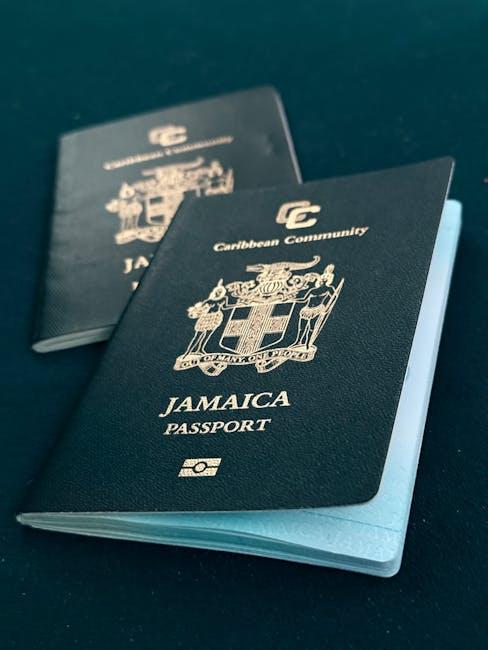
Understanding Legal Frameworks Governing Dual Nationality
When it comes to juggling citizenships, each country approaches the notion of dual nationality through its own legal lens. Some nations embrace the concept, allowing individuals to enjoy the privileges and responsibilities tied to two passports with relative ease. Others impose restrictions—or prohibit it altogether—primarily to safeguard national security, prevent diplomatic conflicts, or maintain clear allegiance. Understanding these nuances requires exploring the labyrinth of international laws, bilateral agreements, and domestic regulations that intersect to define one’s legal status.
Central to navigating this terrain is recognizing the key legal pillars shaping dual nationality:
- Acquisition criteria: born on native soil, descent, naturalization, or marriage
- Diversion of duties: military service obligations, taxation, and voting rights
- Renunciation policies: mandatory or voluntary giving up of one nationality
- Conflicts of law: resolving disputes arising from overlapping jurisdictional claims
| Country | Dual Nationality Status | Key Legal Note |
|---|---|---|
| Canada | Permitted | No requirement to renounce prior citizenship |
| Japan | Restricted | Obliged to choose one nationality by age 22 |
| Germany | Conditional | Dual citizenship mostly allowed within EU or specific exceptions |
| India | Not allowed | OCI card offers limited rights for foreign nationals of Indian origin |

Balancing Civic Duties and Rights Across Borders
When navigating the complex landscape of holding citizenship in more than one country, individuals often find themselves walking a tightrope between duties and privileges. Each nation expects its citizens to uphold laws, pay taxes, and sometimes serve in the military—commitments that can overlap or even clash. Yet, as rights such as voting, social security benefits, and diplomatic protection span borders, dual nationals must learn to strategically manage these entitlements without compromising their responsibilities. This delicate balance requires understanding the nuances of each country’s legal framework and, importantly, how these frameworks interact on the global stage.
To better visualize the challenges and opportunities inherent in dual nationality, consider the following key points that often define this dynamic:
- Taxation Policies: Awareness of whether countries have double taxation treaties to prevent being taxed twice on the same income.
- Compulsory Service: Evaluating military or civil duties, which may apply differently based on residency and nationality laws.
- Legal Conflicts: Navigating disagreements between laws of two countries, especially in criminal or family law.
| Country A | Country B | Key Civic Obligation |
|---|---|---|
| USA | Italy | Income Tax Filing in Both Countries |
| France | Canada | Military Service Exemption Agreements |
| Japan | Brazil | Voting Rights Vary by Residency |
Challenges and Opportunities in Employment and Travel
Balancing the intricacies of dual nationality presents both hurdles and avenues for growth in the realms of employment and travel. Workers with dual citizenship often face conflicting legal frameworks, such as differing tax obligations or security clearance requirements, which can complicate career advancement. Employers may also harbor concerns about work authorization or compliance, potentially limiting job opportunities. However, dual nationality can be a powerful asset, unlocking access to a broader spectrum of labor markets and reducing bureaucratic barriers that typically restrict foreign workers.
When it comes to travel, maintaining two passports grants unparalleled flexibility, but not without its caveats. While holders can switch between passports to ease visa processes or entry requirements, they must stay vigilant about visa expiration dates, stay durations, and possible restrictions imposed by some countries on dual nationals. Below is an illustrative comparison of travel benefits versus challenges faced by dual nationals:
| Aspect | Opportunities | Challenges |
|---|---|---|
| Visa Access | Multiple visa-free entries | Complex renewal processes |
| Customs & Security | Alternate passports to avoid scrutiny | Inconsistent treatment across borders |
| Residency & Work Rights | Broader employment options | Conflicting local labor laws |
- Proactive documentation management can prevent travel delays and employment disruptions.
- Understanding country-specific dual nationality policies is essential to maximize benefits while mitigating risks.
Strategies for Managing Tax Obligations and Financial Disclosure
Balancing tax obligations across two countries can seem like navigating a labyrinth, but with thoughtful planning, the complexities become manageable. It’s essential to keep abreast of each nation’s tax treaties and filing requirements to avoid double taxation. Maintaining detailed records of income and foreign assets not only ensures compliance but also provides a clear audit trail. Utilizing tax credits or exemptions where applicable, such as foreign earned income exclusions or treaty benefits, can significantly reduce your overall tax burden.
Transparency becomes your greatest ally when it comes to financial disclosure. Governments often require dual nationals to declare overseas accounts, investments, and holdings—failing to do so can lead to severe penalties. Consider the benefits of professional advice tailored to your unique situation. Below is a handy checklist to guide your financial disclosure process, designed to keep you informed and in control:
- Identify all sources of foreign income
- Verify if a tax treaty applies between your countries
- Declare foreign bank accounts and assets accurately
- File returns by each jurisdiction’s deadlines
- Keep documentation for at least 7 years
| Common Tax Obligation | Country A | Country B |
|---|---|---|
| Income Tax Filing | Annual, April 15 | Annual, June 30 |
| Foreign Account Reporting | Required if > $10,000 | Required if > $50,000 |
| Tax Treaty Benefits | Available | Not applicable |
Practical Tips for Maintaining Strong Connections to Both Nations
Maintaining robust ties with both countries requires intentional and thoughtful effort. Start by immersing yourself in each culture through language, traditions, and local news. Embrace opportunities to celebrate national holidays and engage with community events on both sides – this not only enriches your identity but also fosters meaningful relationships. Additionally, leveraging digital tools can bridge the geographical gap: subscribe to newsletters, join forums related to each nation, and regularly follow national media outlets to stay informed and connected.
Practical organization plays a crucial role in keeping your dual nationality active and privileged. Managing legal documents, such as passports and visas, demands careful attention to expiration dates and renewal procedures specific to each country. The table below outlines essential reminders for each key document:
| Document | Renewal Frequency | Key Tip |
|---|---|---|
| Passport | Every 5-10 years | Start renewal 6 months before expiry |
| National ID | Varies by country | Register changes in residence promptly |
| Residency Permits | Annual or multi-year | Document every entry and exit |
By taking these steps, you preserve the privileges and emotional bonds tied to your rich dual heritage, creating a seamless and fulfilling experience as a citizen of two worlds.
In Retrospect
In the intricate tapestry of modern identity, dual nationality weaves threads of opportunity and complexity alike. As borders shift and lives intertwine across cultures, understanding the rights, rules, and realities becomes not just a legal necessity but a personal compass. Navigating this dual existence calls for awareness, adaptability, and respect for the nuances that each nationality brings. Ultimately, embracing dual nationality is about more than just holding two passports—it’s about bridging worlds and crafting a unique story that defies simple definitions.