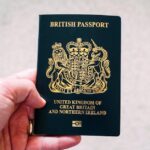
In an increasingly interconnected world, the lines that define nationality are becoming beautifully blurred. More people than ever before find themselves holding not just one, but two passports—living the unique experience of dual nationality. This intriguing position offers a blend of opportunities and challenges, opening doors to diverse cultures, rights, and responsibilities. Yet, it also prompts complex questions: How do you navigate the legal labyrinth? What does it truly mean to belong to two nations? In this article, we delve into the multifaceted world of dual citizenship, exploring its benefits, pitfalls, and the critical choices that come with embracing multiple identities. Whether you are considering acquiring another nationality or simply seeking to understand this growing phenomenon, join us as we unpack the essential knowledge needed to make informed citizenship decisions in today’s global society.
The Complex Landscape of Dual Nationality Laws
Dual nationality laws vary dramatically from country to country, creating a web of legal and personal considerations for those who qualify for or choose multiple citizenships. Some nations embrace dual nationality warmly, recognizing the rich cultural and economic benefits it can bring. Others impose strict limitations, requiring citizens to renounce one nationality upon acquiring another. This disparity often stems from historical, political, and security concerns that shape a country’s approach to citizenship. Understanding the specific regulations is crucial, as missteps can lead to unexpected challenges, such as loss of rights, taxation complexities, or military service obligations.
Key facets to consider include:
- Legal recognition: Does your country allow dual citizenship or require exclusivity?
- Tax implications: How does holding multiple citizenships affect your tax responsibilities?
- Rights and obligations: Are there differences in voting rights, social benefits, or mandatory duties like conscription?
| Country | Dual Nationality Policy | Notable Condition |
|---|---|---|
| Canada | Permitted | No requirement to renounce |
| Japan | Restricted | Must choose one by age 22 |
| Germany | Limited | Dual citizenship mainly for EU countries |
| Brazil | Allowed | No loss of citizenship upon naturalization |

Weighing the Benefits and Challenges of Holding Two Passports
Holding two passports opens doors to a world of opportunities, yet it’s not without its intricate realities. On the benefit side, dual citizenship often grants unfettered access to multiple countries, making travel less of a hassle and more of a seamless journey. It can also provide expanded economic opportunities — such as the ability to work, study, or invest in more than one nation without the usual visa restrictions. Additionally, it offers a unique sense of cultural belonging and security in times of political or social unrest.
However, navigating dual nationality involves managing complex legal and fiscal obligations. For instance, individuals may face tax liabilities in both countries or the requirement of mandatory military service. Dual citizens must also stay vigilant about differing laws concerning property ownership, inheritance, and voting rights. Below is a simplified table highlighting key benefits and challenges to consider:
| Advantages | Challenges |
|---|---|
| Visa-free travel to more countries | Dual tax obligations |
| Access to social services and education | Potential military service requirements |
| Right to participate in multiple political systems | Complex legal responsibilities and paperwork |
Strategies for Managing Rights and Responsibilities Across Borders
When juggling the complexities of dual nationality, understanding how to balance citizenship rights and responsibilities is crucial. One effective approach is to map out the legal obligations in each country, focusing on areas such as taxation, military service, and voting rights. Keeping this information organized helps prevent conflicts and ensures compliance. For example, maintaining clear records of tax residency periods can avoid double taxation issues, while being aware of mandatory duties like jury service or military conscription in either country helps maintain good standing. Using a checklist to track deadlines and requirements can bring much-needed clarity to managing dual citizenship obligations.
Communication and proactive engagement with both nations’ consular services provide a vital support network. These offices often offer guidance tailored to dual nationals, including how to navigate citizenship laws that may affect passport validity or property ownership. Here’s a simple comparison of common rights and responsibilities across borders for dual nationals:
| Aspect | Country A | Country B |
|---|---|---|
| Tax Filing | Annual declaration required | Bi-annual declaration required |
| Military Service | Voluntary | Compulsory for males 18-25 |
| Voting Rights | National and local elections | Only national elections |
| Property Ownership | No restrictions | Requires special permit |
- Stay informed: Laws change frequently, so keep updated on both countries’ policies.
- Plan ahead: Anticipate and prepare for legal or financial responsibilities well in advance.
- Engage locally: Connect with local communities or advocacy groups supporting dual nationals.
Navigating Tax Implications and Legal Obligations with Dual Citizenship
Holding dual citizenship often means wearing two hats, especially when it comes to tax responsibilities. It’s essential to recognize that both countries involved may expect you to fulfill tax obligations, which can sometimes lead to complex scenarios like double taxation. To avoid unexpected liabilities, many dual citizens benefit from understanding the nuances of tax treaties designed to prevent paying taxes twice on the same income. Consulting with tax professionals familiar with both jurisdictions is a smart step for consistent compliance and optimizing your financial position.
Beyond the wallet, legal duties also extend into areas such as military service, voting rights, and passport regulations. Each country can impose its own set of rules, which might occasionally conflict or require careful navigation. Here’s a quick overview to keep in mind:
- Military Service: Some countries mandate service even for dual citizens.
- Voting Rights: Eligibility may vary, enabling participation in elections or referenda in either nation.
- Passport Usage: Laws may mandate which passport to use when entering or exiting certain countries.
| Obligation | Country A | Country B |
|---|---|---|
| Income Tax Filing | Required annually | Required if income earned in country |
| Military Service | Exemption available based on residency | Mandatory between ages 18-25 |
| Voting Rights | Allowed in national elections | Allowed in local and national elections |
Practical Steps to Make Informed Decisions About Your Citizenship Status
Begin by conducting a thorough self-assessment of your personal priorities when it comes to citizenship. Reflect on factors such as career opportunities, taxation, travel freedom, and cultural ties. Create a detailed list that includes legal obligations, benefits, and potential sacrifices for each nationality you hold or are considering. Consulting official government resources and immigration experts ensures you receive up-to-date and accurate information tailored to your unique circumstances.
Next, organize your findings using a simple decision matrix that compares critical elements side-by-side. Here’s an example to guide you:
| Criteria | Country A | Country B |
|---|---|---|
| Tax Rates | Moderate | Low |
| Travel Access | 120 Countries | 80 Countries |
| Mandatory Service | None | Military |
| Dual Citizenship Allowed | Yes | No |
- Weigh pros and cons to identify deal-breakers.
- Consult specialists who can clarify complex legal points.
- Consider long-term implications such as inheritance laws and future policy changes.
The Way Forward
In the intricate tapestry of identity and belonging, navigating dual nationality emerges as both a challenge and an opportunity. Understanding the nuances of citizenship choices empowers individuals to make informed decisions that honor their heritage while embracing their future. As borders blur and global connections deepen, the journey of dual nationality becomes a personal exploration—one that weaves together legal realities, cultural ties, and individual aspirations into a unique story of belonging in an interconnected world.