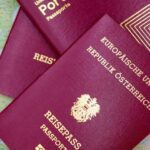
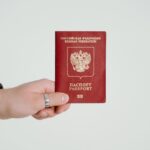
In a world increasingly defined by borders both physical and intangible, the concept of identity grows ever more complex. Among these layers of belonging, joint citizenship emerges as a compelling story of duality—where one person’s allegiance can span more than a single nation. Navigating dual paths, this phenomenon challenges traditional notions of citizenship, inviting us to explore its legal nuances, cultural implications, and personal realities. As globalization knits societies closer together, joint citizenship stands at the crossroads of heritage and opportunity, prompting fresh questions about what it truly means to belong. This article sets out to unpack these intertwined journeys, offering a balanced exploration of the concept that bridges worlds.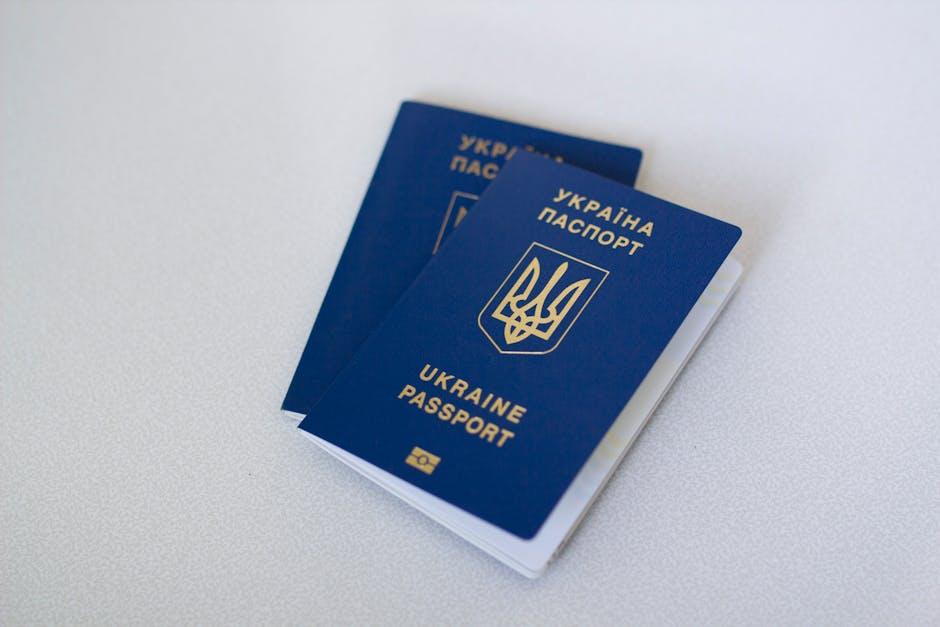
Understanding Dual Citizenship in a Globalized World
In today’s interconnected world, the notion of holding citizenship in more than one country opens up a myriad of opportunities, but also presents unique challenges. Dual citizenship allows individuals to legally belong to two nations simultaneously, blending cultural identities and expanding personal and professional horizons. This legal status often facilitates access to healthcare, education, and employment benefits in both countries, but also requires navigating distinct legal obligations such as taxation and civic duties. Understanding these dynamics is essential for anyone considering this path, as it transforms traditional allegiance into a flexible, multifaceted relationship with two states.
Key facets to consider with joint citizenship include:
- Legal Responsibilities: Compliance with laws from both countries, including taxes and conscription where applicable.
- Cultural Integration: Balancing dual identities while respecting cultural expectations of each nation.
- Travel and Mobility: Eased border crossings and visa-free travel between a greater number of countries.
- Political Rights: Often includes voting rights and eligibility for public office in both countries.
| Aspect | Country A | Country B |
|---|---|---|
| Taxation System | Progressive Income Tax | Flat Tax Rate |
| Military Service | Voluntary | Mandatory |
| Voting Eligibility | Local & National | National only |
Embracing dual citizenship is more than a legal status—it is a personal journey that requires balancing frameworks from two sovereign entities. Each country’s unique policies shape the experience, influencing everything from day-to-day living to long-term planning.
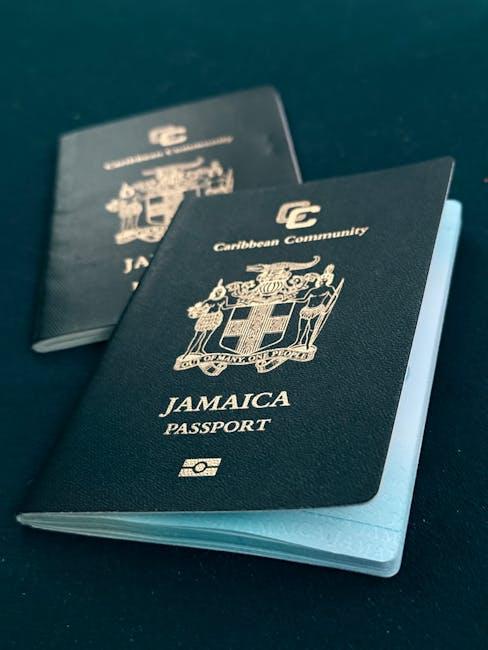
Legal Frameworks and Rights Across Borders
Understanding the legal frameworks that govern dual or joint citizenship requires navigating a complex matrix of national laws and international agreements. Some countries embrace dual citizenship openly, recognizing the enriched rights and responsibilities it bestows upon individuals who maintain ties to multiple nations. Others impose restrictions or do not recognize the status at all, leading to potential legal conflicts and complications in areas such as taxation, military service, and diplomatic protection. These disparities illustrate that citizenship transcends borders, often demanding a deeper comprehension of how rights vary between jurisdictions and the implications for those holding more than one nationality.
Within this landscape, several key rights are often at the core of joint citizenship discussions:
- Right to Work and Reside: Whether individuals can freely live and work in either country without additional permits.
- Political Participation: Access to voting and eligibility to hold public office in both nations.
- Consular Protection: The extent to which each country offers diplomatic assistance abroad.
| Country | Dual Citizenship Policy | Key Restriction |
|---|---|---|
| Canada | Permitted | None |
| Japan | Not Recognized | Must choose one citizenship by age 22 |
| Germany | Conditional | Restrictions depending on citizenship acquisitions |
By dissecting these frameworks, individuals can better navigate the dual pathways offered by joint citizenship — balancing legal obligations alongside the privileges it imparts across borders.
Cultural Identity and the Personal Journey of Belonging
In the intricate tapestry of cultural identity, personal journeys often weave through contrasting worlds, creating a unique fabric of belonging. Embracing joint citizenship means more than holding two passports; it signifies a dynamic dual existence where traditions, languages, and values intermingle. This process shapes individuals’ sense of self, offering them a broader perspective while challenging fixed notions of nationality and heritage. Individuals often find themselves navigating memories, family expectations, and social norms, crafting a deeply personal narrative that honors both roots and new branches.
Within this complex journey, certain elements become crucial anchors:
- Heritage preservation: Maintaining cultural practices and languages fosters connection to origins.
- Community integration: Engaging actively within both societies cultivates belonging and support networks.
- Identity flexibility: Accepting a fluid, evolving sense of self allows harmony between multiple cultural perspectives.
| Aspect | Single Citizenship | Joint Citizenship |
|---|---|---|
| Sense of Belonging | Focused, often localized | Multifaceted and expansive |
| Cultural Influence | Primarily singular | Blended and dynamic |
| Social Navigation | Linear and defined | Adaptive and diverse |
Challenges and Responsibilities of Joint Citizenship
Embracing joint citizenship is more than a matter of dual passports; it involves a delicate balancing act between two national identities. Individuals must navigate complex cultural expectations and legal frameworks that often pull in different directions. This dual allegiance can foster rich personal growth, yet it also brings challenges such as tax obligations in multiple countries, voting rights dilemmas, and possible military service requirements. The careful management of these responsibilities requires a nuanced understanding of each nation’s laws and customs to avoid unintentional conflicts.
The practical realities come with a set of responsibilities that can strain even the most globally minded citizens. Here are some common hurdles that joint citizens often face:
- Tax compliance: Understanding and meeting tax duties in both countries can be complicated and costly.
- Legal obligations: Dual citizens must adhere to laws that could vary sharply between their countries.
- Civic participation: Deciding where to cast votes or where national loyalties truly lie is a recurring ethical and emotional challenge.
- Travel restrictions: Paradoxically, dual citizenship can sometimes complicate mobility rather than simplify it due to visa requirements and entry regulations.
| Responsibility | Potential Challenge |
|---|---|
| Tax Filing | Complex paperwork, risk of double taxation |
| Military Service | Conflicting obligations or exemptions |
| Voting Rights | Deciding political allegiance |
| Legal Jurisdiction | Conflicts of law and enforcement |
Practical Tips for Managing Dual National Status
Balancing the responsibilities and benefits of dual nationality requires a thoughtful approach to legal obligations and cultural integration. It’s crucial to stay informed about the laws both countries impose on taxation, military service, and political participation. For many, creating a personal calendar with key deadlines—such as tax filings or passport renewals—can help avoid accidental lapses. Moreover, keeping communication lines open with consulates or embassies can provide timely updates and assistance when dealing with bureaucratic challenges unique to dual citizens.
- Maintain updated travel documents to prevent issues at customs across borders.
- Understand voting rights in each nation to fulfill civic duties appropriately.
- Keep a clear record of residency and employment to navigate tax responsibilities effectively.
| Aspect | Tips for Smooth Management |
|---|---|
| Travel | Use the passport of the country you are entering to minimize delays. |
| Legal Compliance | Consult a legal expert versed in dual citizenship laws. |
| Cultural Engagement | Participate in cultural events to strengthen ties to both homelands. |
Concluding Remarks
As the world becomes increasingly interconnected, the concept of joint citizenship invites us to rethink traditional boundaries and embrace the fluidity of identity. Navigating dual paths is more than a legal status—it is a reflection of our evolving global narrative, where belonging transcends borders and cultures converge. Whether viewed as a bridge of opportunity or a complex balancing act, joint citizenship challenges us to consider what it truly means to be a citizen in the modern age. Ultimately, this exploration opens doors to new possibilities, encouraging us to celebrate the multifaceted nature of our global community.