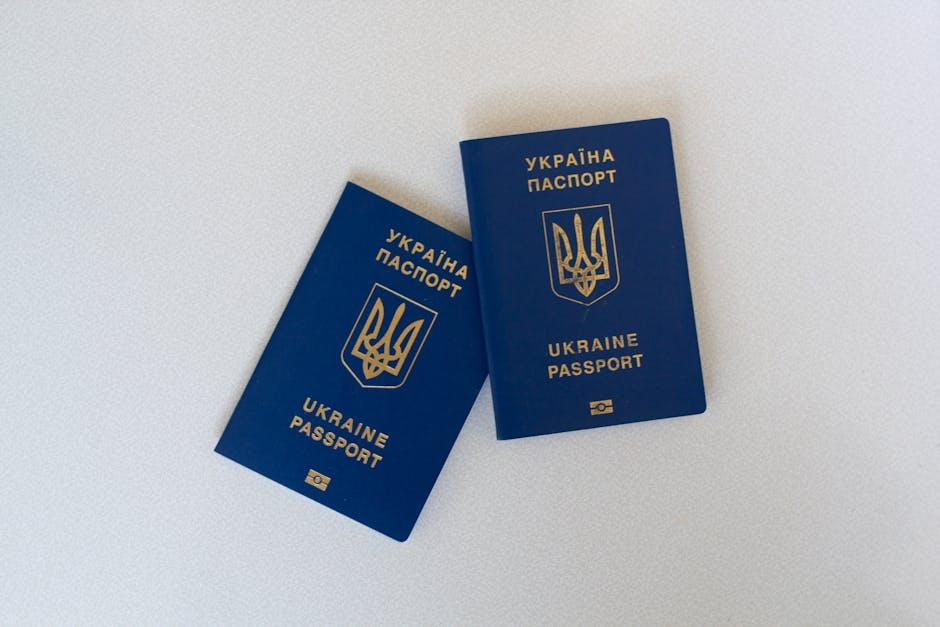
In a world increasingly defined by movement, connection, and globalization, the concept of identity has grown beautifully complex. More than ever, people find themselves holding dual passports—not just as travel documents, but as symbols of belonging to two distinct yet intertwined cultural landscapes. “Navigating Dual Paths: Understanding Joint Citizenship Today” explores the multifaceted reality of dual citizenship, unraveling its legal intricacies, social implications, and personal significance. This journey into the dual citizenship experience invites readers to appreciate how embracing multiple national ties shapes modern identity, rights, and responsibilities in an ever-evolving global community.
Exploring the Legal Landscape of Joint Citizenship
Understanding the legal intricacies of joint citizenship requires delving beyond straightforward nationality laws. Many countries have embraced dual citizenship but with a spectrum of conditions that can affect rights, duties, and international mobility. Some impose strict rules about holding multiple passports, such as mandatory notification to authorities or restrictions on political participation. Meanwhile, others provide expansive protections, enabling citizens to enjoy social benefits and property ownership in more than one nation.
It is essential to consider factors like tax obligations, military service requirements, and inheritance laws that differ widely across jurisdictions. Below is a simple breakdown highlighting common legal elements impacting dual nationals:
| Aspect | Potential Legal Impact | Examples |
|---|---|---|
| Taxation | Double taxation agreements, global income reporting | US – worldwide income tax |
| Military Service | Compulsory enlistment or exemption clauses | Israel requires service for citizens |
| Political Rights | Restrictions on holding office or voting | Some Gulf countries restrict dual nationals |
- Legal Recognition: Not all states recognize dual nationality officially, leading to complex legal maneuvers.
- Loss of Citizenship: In rare cases, acquiring another nationality might trigger automatic renunciation.
- Consular Protection: Dual citizens may face challenges in receiving diplomatic assistance abroad.
Balancing Rights and Responsibilities Across Borders
Living with dual citizenship offers a unique blend of opportunities and challenges that span continents and cultures. While it grants individuals expanded freedoms such as voting rights in two nations or the ability to work and reside freely across borders, it also demands a balanced approach to obligations. Navigating these responsibilities requires not only understanding the legal expectations of each country but also embracing the cultural nuances that come with two identities. This balance fosters a richer, yet more complex, citizenship experience where duties like tax compliance, military service, or civic participation may intersect in unexpected ways.
To better appreciate how rights and responsibilities manifest in joint citizenship scenarios, consider the following contrasts and overlaps:
- Political Engagement: Exercising voting rights in both countries may influence policy perspectives but also entails staying informed on diverse political climates.
- Legal Accountability: Dual citizens must adhere to laws from two jurisdictions, which can sometimes lead to conflicting obligations or benefits.
- Social Contributions: Cultural assimilation and community involvement deepen the sense of belonging but require sensitivity to divergent social norms.
| Aspect | Opportunity | Responsibility |
|---|---|---|
| Travel | Visa-free access to many countries | Maintaining valid passports and familiarization with entry requirements |
| Taxes | Potential access to tax treaties | Filing tax returns in multiple jurisdictions |
| Military Service | Exemptions or voluntary service options | Possible conscription or service obligations |
Cultural Identity and the Dual Citizen Experience
Balancing two cultural identities often means embracing a rich tapestry of traditions, languages, and social norms that shape the dual citizen’s worldview. This unique experience fosters a deep appreciation for diversity and adaptability, offering individuals a broader perspective on global issues. However, it can also lead to challenges such as feeling disconnected from either culture or facing conflicting expectations within social and family contexts. The inner negotiation of belonging becomes a dynamic, ongoing process where dual citizens curate their own hybrid cultural identity.
Several key aspects define this multifaceted journey:
- Language Fluency: Proficiency in multiple languages acts as a bridge and a barrier in social integration and personal expression.
- Festivals and Rituals: Participating in diverse celebrations cultivates a hybrid festive calendar, enriching social experiences.
- Identity Negotiation: Continual redefinition of “home” and “self” forms the core of dual citizenship experiences.
- Legal and Social Responsibilities: Understanding obligations in two nations adds layers of complexity to everyday decision-making.
| Aspect | Opportunity | Challenge |
|---|---|---|
| Language | Enhanced communication skills | Potential linguistic confusion |
| Traditions | Rich cultural experiences | Conflicting cultural expectations |
| Legal Obligations | Access to broader rights | Complex tax and residency rules |
| Social Identity | Expanded sense of belonging | Identity ambiguity |
Practical Tips for Managing Dual Nationality Challenges
Embracing dual nationality means balancing the legal, social, and cultural expectations of two distinct countries. To maintain seamless integration, it’s essential to stay informed about each nation’s tax obligations, voting rights, and passport regulations. Utilize digital tools such as government apps or online portals that track deadlines for tax submissions and visa renewals, ensuring you don’t miss any critical dates. Additionally, cultivating a support network of fellow dual nationals can provide practical advice and emotional support as you navigate the complexities of two citizenships.
Organizational skills are your best ally when managing dual citizenship challenges. Consider adopting the following strategies:
- Maintain Separate Financial Records: Keep distinct accounts and documentation for each country to avoid confusion during audits or legal reviews.
- Stay Updated on Legal Changes: Laws can shift quickly—subscribe to newsletters or official bulletins from both countries.
- Cultural Sensitivity: Respect and adapt to traditions and norms on both sides, which helps in social integration and professional environments.
| Challenge | Tip | Benefit |
|---|---|---|
| Complex Tax Filing | Use professional tax consultants familiar with dual citizenship laws | Avoid penalties and double taxation |
| Travel Restrictions | Always carry both passports and check entry requirements | Smoother border crossings |
| Conflicting Legal Obligations | Regularly review legal responsibilities with experts | Stay compliant and informed |
Looking Ahead Policies and Trends Shaping Dual Citizenship
As global interconnectivity deepens, countries are continuously revisiting their stance on dual citizenship policies. Governments are balancing national security concerns with the undeniable benefits of maintaining transnational ties. Current trends indicate a shift toward more inclusive laws, enabling individuals to hold multiple citizenships without the fear of losing rights in either nation. This evolution supports global mobility, economic participation, and cultural exchange in unprecedented ways, empowering citizens to operate within a more borderless world.
Simultaneously, emerging policies are also addressing challenges such as taxation, voting rights, and allegiance obligations more explicitly. For instance, some states are implementing frameworks that clarify the responsibilities of joint citizens while fostering international cooperation on legal matters. Below is a simplified overview of notable trends shaping the dual citizenship landscape:
- Relaxation of Restrictions: More countries allowing dual or multiple citizenships.
- Legal Clarification: Clearer definitions of rights and duties across borders.
- Tax Harmonization: Bilateral agreements to avoid double taxation.
- Consular Protection: Enhanced support and assistance services for dual nationals.
| Policy Trend | Impact | Example Country |
|---|---|---|
| Taxation Agreements | Reduced financial burden for dual citizens | Canada & USA |
| Expanded Voting Rights | Increased political influence in residence country | Germany |
| Military Service Exemptions | Flexibility in conscription laws | Australia |
Insights and Conclusions
As the world becomes ever more interconnected, the concept of joint citizenship stands as a fascinating testament to our evolving identities. Navigating dual paths is not merely a legal status—it’s a dynamic journey of belonging, opportunity, and sometimes complexity. By understanding the nuances of joint citizenship today, individuals can better embrace the rich tapestry of their heritage and the possibilities that come with it. Ultimately, the dual narrative we carry is a bridge between cultures, a personal mosaic that reflects the multifaceted nature of modern life.