In an age where borders blur and the world grows ever more interconnected, a passport is no longer just a travel document — it’s a symbol of identity, a key to opportunity, and sometimes a puzzle to decode. Navigating foreign passports involves more than simply flipping through pages; it’s an exploration of cultural nuances, governmental intricacies, and international protocols. This guide seeks to demystify the complexities behind these colorful booklets, offering a comprehensive look at how passports function across the globe, what they reveal about their holders, and how understanding them can open doors to new horizons. Whether you’re a seasoned traveler, a curious student of geopolitics, or someone intrigued by the art of identification itself, join us as we embark on a journey through the fascinating world of global identity.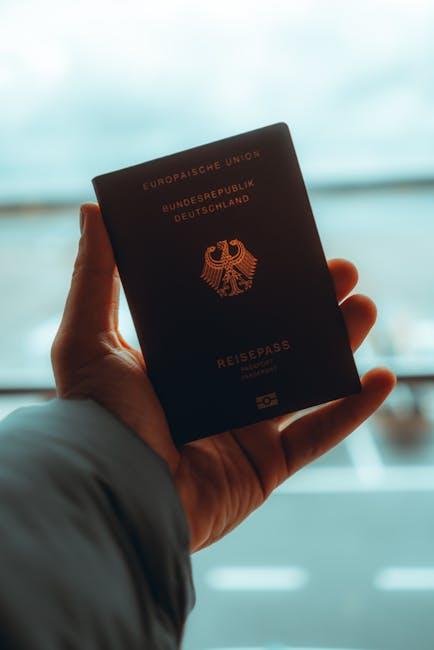
Understanding the Importance of Foreign Passports in a Connected World
In today’s interconnected landscape, foreign passports stand as more than mere travel documents — they are keys that unlock doors to opportunities across continents. These vital identifiers carry the power to facilitate international mobility, granting holders access to diverse cultures, markets, and experiences. Beyond their functional role, foreign passports symbolize a bridge to global citizenship, allowing individuals to navigate complex legal systems and embrace multicultural identities with ease.
Why foreign passports matter:
- Ease of Travel: Simplify visa requirements and border controls.
- Economic Opportunities: Access to job markets and international investments.
- Educational Access: Study abroad with fewer restrictions and more scholarships.
- Diplomatic Protection: Safeguard of consular services anywhere in the world.
| Passport Type | Primary Benefit | Best For |
|---|---|---|
| Tourist Passport | Facilitates vacation travel | Leisure travelers |
| Diplomatic Passport | Governmental immunity & privileges | Diplomats & officials |
| Second Passport | Additional travel freedom | Business professionals & investors |
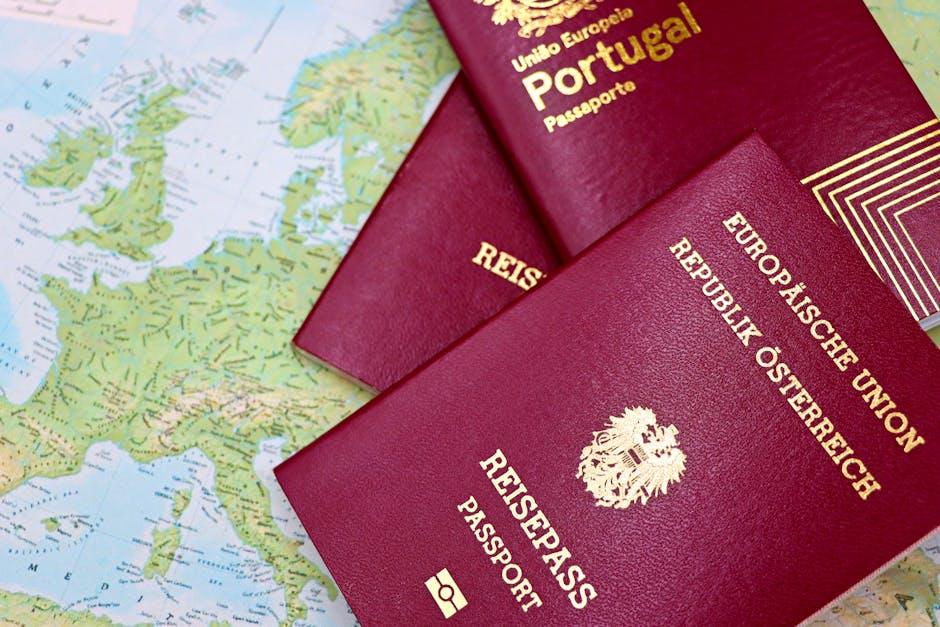
Deciphering Passport Types and Their Unique Benefits
Every passport carries a story, not just of nationality but of privileges and global mobility that are uniquely crafted by its issuing country. While ordinary passports primarily serve to prove identity and citizenship for international travel, other types offer specialized advantages. For example:
- Diplomatic Passports: Designed for government officials, these grants expedited processing and immunity benefits, easing the complexities of global diplomacy.
- Service/Official Passports: Issued to individuals representing their government on official business, they often provide access to specific international lounges and prioritized customs clearance.
- Second Passports: Sometimes issued for economic or security reasons, these can open doors to countries with less stringent visa requirements and provide backup options during geopolitical unrest.
Understanding these nuances can greatly influence travel strategy, particularly for frequent travelers and expatriates seeking to maximize global access. Below is a simple comparison highlighting the core benefits of these passport categories:
| Passport Type | Primary Benefit | Access Perks |
|---|---|---|
| Diplomatic | Legal immunity and expedited borders | Priority at customs & international events |
| Service/Official | Official travel recognition | Access to special government lounges |
| Second Passport | Alternative travel documentation | Broader visa-free access |
Navigating Visa Requirements and Entry Regulations Across Continents
Understanding how visa requirements and entry regulations differ from continent to continent is crucial for every global traveler. While some regions, like the Schengen Area in Europe, offer streamlined travel with a single visa covering multiple countries, other continents present intricate and varied rules that demand thorough preparation. Travelers should be aware that visa policies can reflect regional relationships, security concerns, and reciprocity agreements, making it essential to consult official embassy sources or trusted travel advisory platforms before planning their journey.
To simplify navigating this complex landscape, consider the following key points:
- Visa-free zones: Certain continents have clusters of countries allowing visa-free or visa-on-arrival entry for specific passport holders.
- Transit regulations: Even without a final destination visa, some countries require transit visas or impose strict time limits for layovers.
- Document validity: Many nations demand passports to remain valid for six months beyond the travel date.
- Special permits: Regions such as Antarctica or disputed territories often require unique travel permits beyond standard visas.
| Continent | Typical Visa Duration | Visa-On-Arrival Availability | Common Entry Requirements |
|---|---|---|---|
| Asia | 30-90 days | Moderate | Visa required, passport validity 6+ months |
| Africa | 14-90 days | High | Vaccination proof often required |
| Europe | Up to 90 days (Schengen) | Low | Schengen visa covers multiple countries |
| Oceania | 30-90 days | Limited | Electronic travel authority common |
| Americas | 30-180 days | Varies by country | Often requires proof of onward travel |
Essential Tips for Securing and Safeguarding Your Global Identity
In today’s interconnected world, protecting your global identity means more than just guarding physical documents; it requires a proactive approach to digital security and awareness. Start by securing all your travel and identification documents in a tamper-proof travel wallet or a smart RFID-blocking case to prevent unauthorized scanning. Equally important is the use of strong, unique passwords for every account linked to your international identity — from airline reservation portals to embassy registrations. Never underestimate the power of two-factor authentication (2FA), which adds an extra layer of protection by requiring a second verification step, significantly reducing the risk of identity theft.
Awareness and vigilance are your best defense when abroad or managing multiple national identities. Always verify the URL of any website where you submit sensitive information, and avoid public Wi-Fi networks without a secure VPN connection. Regularly updating your documents and credentials, such as renewing passports and visas ahead of time, keeps you ahead of potential issues. Below is a quick-reference checklist to help maintain your global identity’s integrity:
- Store documents securely with RFID protection
- Use strong, unique passwords for related accounts
- Enable two-factor authentication wherever possible
- Verify secure connections before sharing data
- Keep travel documents current and monitor expiration dates
Maximizing Opportunities Through Dual Citizenship and Passport Privileges
Unlocking the power of dual citizenship extends far beyond simple travel convenience. It opens doors to a world of economic, social, and legal advantages. By holding two passports, individuals can diversify their global presence, seamlessly access job markets, invest in multiple countries, and enjoy extended residency rights. This flexibility often translates into enhanced personal security, increased educational opportunities, and access to dynamic business networks across continents.
Strategically leveraging passport privileges means understanding the unique benefits each nationality offers. Some countries provide visa-free access to a larger number of destinations, while others offer favorable tax regimes or social security agreements. Consider the following attributes when assessing your dual citizenship options:
- Travel Freedom: Visa-free or visa-on-arrival access to key global regions.
- Business Incentives: Lower corporate tax rates or startup-friendly policies.
- Healthcare and Education: Eligibility for high-quality public services.
| Benefit | Country A Passport | Country B Passport |
|---|---|---|
| Visa-Free Countries | 185 | 150 |
| Corporate Tax Rate | 15% | 25% |
| Health Coverage | Universal | Partial |
The Conclusion
As we close the pages on this journey through the world of foreign passports, it’s clear that these small booklets hold far more than stamps and signatures—they are gateways to identity, culture, and opportunity across borders. Navigating the nuances of global documentation requires not only knowledge but also an appreciation for the stories each passport tells. Whether you’re a seasoned traveler, a global citizen, or simply curious about the passports that connect us, understanding this mosaic of identities equips you to move through the world with confidence and clarity. In the ever-shifting landscape of international mobility, your passport is more than a document—it’s your compass.