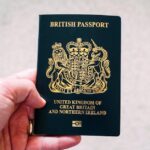
In a world where borders blur and cultures intertwine, the experience of living as an American dual citizen unfolds as a unique journey of identity and belonging. Caught between two nations, two sets of traditions, and often two languages, dual citizens navigate a complex landscape that challenges conventional definitions of nationality. This article explores the nuances of carrying multiple passports—not just as legal documents, but as symbols of a dual heritage that shapes perspectives, opportunities, and a sense of self. Through personal stories and thoughtful reflections, we delve into what it truly means to call two countries home in the 21st century.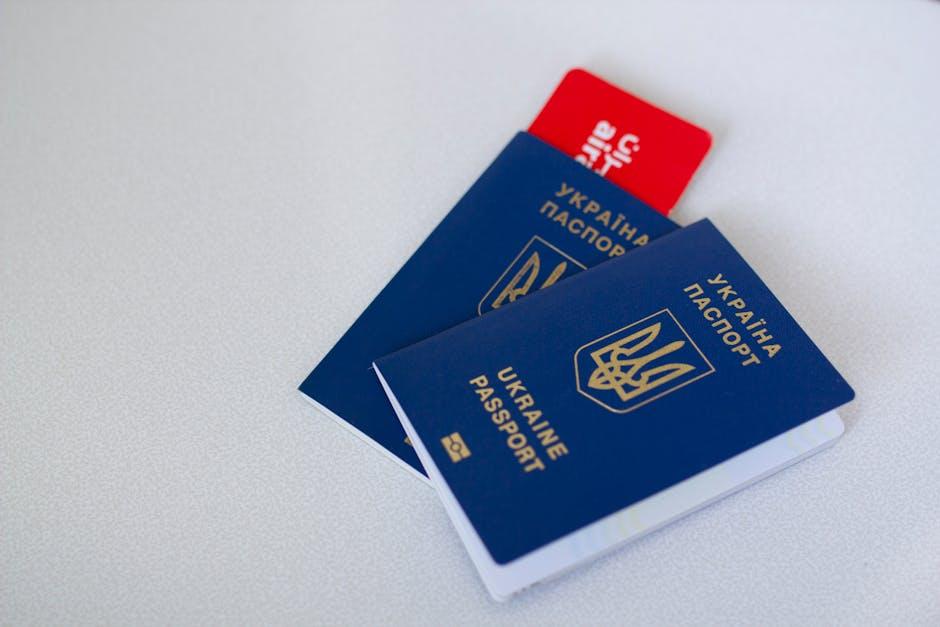
Understanding Dual Citizenship and Its Legal Complexities
Holding dual citizenship can often feel like walking a tightrope between two distinct legal worlds. Each country involved has its unique set of laws governing citizenship, taxation, military obligations, and civil rights. For American dual citizens, this means navigating a labyrinth of legal expectations that may not always align neatly. For instance, the U.S. government expects fiscal transparency and tax compliance from all its citizens worldwide, even if the secondary country has different rules. Such overlapping responsibilities can create challenges that require careful attention to avoid potential pitfalls like double taxation or conflicting legal duties.
Moreover, dual citizenship brings complexities beyond taxation, including issues related to passports, voting rights, and eligibility for certain public offices. Here’s a glimpse into typical legal considerations:
- Passport Usage: Knowing when and where to use each passport to smooth travel and legal processes.
- Military Service: Potential conscription or service obligations in the second country.
- Political Participation: Whether dual citizens face restrictions on voting or holding office.
| Aspect | Legal Challenge | Typical Solution |
|---|---|---|
| Taxation | Double tax liability | Tax treaties and credits |
| Military Service | Mandatory conscription | Legal exemptions or deferments |
| Political Rights | Ineligibility for office | Renunciation or legal waivers |
Balancing Cultural Connections and Personal Identity
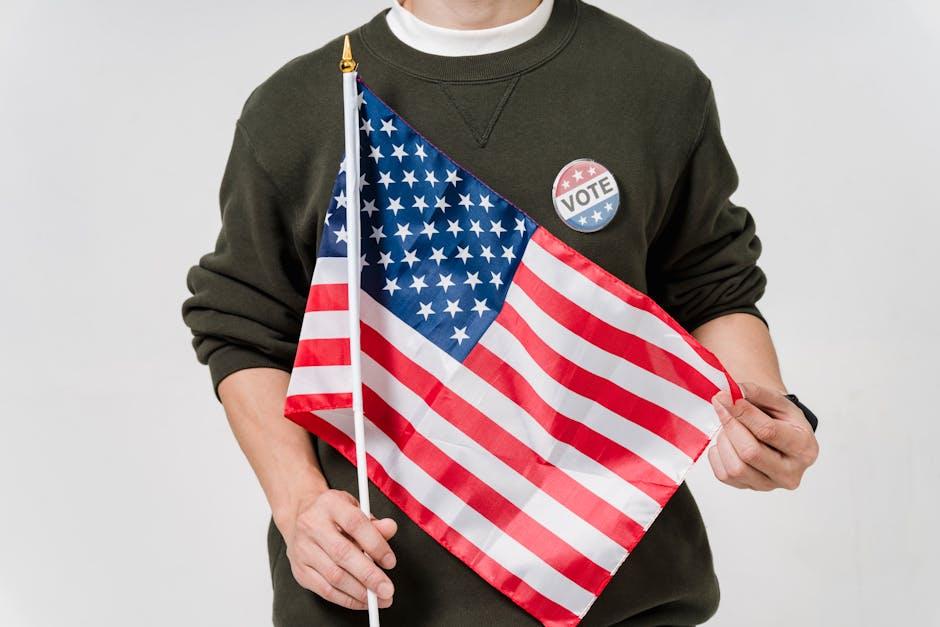
Carving out a distinct sense of self while embracing two rich cultural heritages can often feel like walking a tightrope. The vibrant tapestry of traditions, languages, and values from both countries weaves a unique narrative, where each thread adds depth and complexity. Dual citizens often find themselves celebrating holidays from both cultures, navigating contrasting social norms, and blending diverse perspectives, all while forging an identity that feels authentic and whole. This balancing act is less about choosing sides and more about creating a harmonious blend that honors both heritages equally.
Many find comfort and challenge in the dynamic interplay of belonging to more than one place. Some ways to nurture this balance include:
- Engaging actively with community groups from both cultures to maintain meaningful connections.
- Adopting bilingual communication as a bridge between different worlds.
- Creating personal traditions that reflect the fusion of cultural values.
- Reflecting regularly on personal experiences to adapt and grow identity over time.
Below is a snapshot of how these elements often shape the dual citizen experience:
| Aspect | Challenge | Opportunity |
|---|---|---|
| Language | Maintaining fluency in both tongues | Enhances cognitive flexibility and cultural connection |
| Traditions | Choosing which holidays to observe | Ability to celebrate diverse festivities |
| Social Expectations | Reconciling differing societal norms | Developing a broader worldview and empathy |
Managing Tax Obligations and Financial Responsibilities
Financial juggling becomes a daily act for American dual citizens, as they must adhere to the tax regulations of two different countries. The United States, unique in its approach, taxes its citizens on worldwide income, regardless of where they reside. This means that dual citizens often face the intricate task of filing tax returns in both nations, while carefully navigating tax treaties designed to prevent double taxation. Understanding exemptions, credits, and specific filing requirements is crucial to avoid penalties and optimize financial responsibilities.
To streamline this complexity, dual citizens benefit from establishing clear financial tracking systems and seeking expert advice. Key points to consider include:
- Identifying income sources and their tax liabilities in each country
- Utilizing the Foreign Earned Income Exclusion and Foreign Tax Credits
- Staying updated on changes to tax treaties
- Maintaining transparent and accurate financial records
| Tax Aspect | U.S. Requirement | Common Challenges |
|---|---|---|
| Worldwide Income Reporting | Mandatory | Complex foreign income calculations |
| FBAR Filing | Required for >$10,000 in foreign accounts | Timely reporting to avoid penalties |
| Double Taxation | Avoided via Tax Treaties | Navigating treaty interpretations |
Navigating Travel Challenges and Passport Protocols
Managing the logistics of travel as a dual citizen often requires more than just packing your bags. Whether you’re flying from the U.S. to your second homeland or returning, understanding the nuances of passport control can make the difference between a smooth trip and a bureaucratic headache. For Americans holding dual citizenship, always carrying both passports ensures quick immigration processing and sometimes exclusive rights, such as visa-free entry or easier access to consular services. However, it’s crucial to know when to present each passport and to avoid missteps like using the wrong passport for entry or exit, which can lead to delays or questioning.
- Entry and exit protocols: Use the passport of the country you’re entering or leaving to streamline customs procedures.
- Visa Requirements: Check if visa exemptions apply differently for each nationality before traveling.
- Documentation preparedness: Keep all related paperwork handy, such as naturalization certificates or proof of residence, to clarify your dual status if needed.
To better illustrate, here’s a basic comparison of typical document handling for a hypothetical dual citizen traveling between the U.S. and another country:
| Travel Leg | Passport to Use | Additional Tips |
|---|---|---|
| Departing the U.S. | U.S. Passport | Ensure it’s valid for at least 6 months |
| Entering Second Country | Second Country Passport | Check visa-free entry status beforehand |
| Returning to the U.S. | U.S. Passport | Declare dual citizenship if asked |
Building Community and Finding Support Networks Abroad
Creating a sense of belonging while living abroad is a vital part of embracing your dual identity. For American dual citizens, building a robust community often means seeking out spaces where cultural nuances blend and cultural roots are celebrated. Connecting with local expat groups, joining cultural associations, or participating in events hosted by American embassies can open doors to friendships and professional networks. These communities not only offer emotional support but also practical advice on navigating daily life challenges, from housing to understanding local customs.
Besides formal groups, informal support systems are equally important. Establishing relationships with neighbors, colleagues, or fellow parents at your child’s school can provide invaluable day-to-day support and create a strong local network. Consider these strategies to get involved:
- Attend cultural festivals: A dynamic way to experience shared heritage and meet like-minded individuals.
- Volunteer for community activities: Giving back builds connections and fosters inclusion.
- Leverage social media groups: Online platforms tailored to expatriates can help bridge initial gaps.
| Type | Example | Benefit |
|---|---|---|
| Expat Groups | Americans Abroad Network | Shared experiences and resources |
| Local Community | Neighborhood Meetups | Building daily life support |
| Online Forums | Facebook Expat Groups | Accessible advice 24/7 |
To Conclude
In the intricate dance of dual citizenship, the journey is neither simple nor singular. It is a continuous weaving of two worlds, cultures, and identities—each enriching and challenging in its own way. Navigating life as an American dual citizen invites a deeper understanding of belonging, responsibility, and self-discovery. It is a path marked by complexity but also by the unique privilege of bridging diverse experiences, reminding us that identity, much like the countries we call home, is ever-evolving and multifaceted.