In a world increasingly defined by borders both visible and invisible, the notion of identity has grown more complex than ever before. For American dual citizens, life unfolds at the intersection of two cultures, two legal systems, and often, two sets of expectations. Navigating this multifaceted existence requires more than just a passport; it demands an ongoing dialogue between heritage and homeland, tradition and opportunity. This article explores the nuanced realities of living as an American dual citizen today—highlighting the unique challenges, advantages, and the evolving sense of self that accompanies a life lived between two flags.
Understanding the Legal Landscape of Dual Citizenship in the United States
Navigating the multifaceted legal terrain of dual citizenship in the United States requires a nuanced understanding of its inherent complexities. Unlike some countries that prohibit dual nationality outright, the U.S. adopts a more permissive stance but with important caveats. American dual citizens retain their U.S. rights and responsibilities but must remain vigilant about how their second citizenship may influence legal obligations abroad and at home. Among notable considerations are taxation rules, military service:, and voting rights, all of which may vary significantly depending on the partner nation’s laws and diplomatic agreements.
A dual citizen can usually expect to:
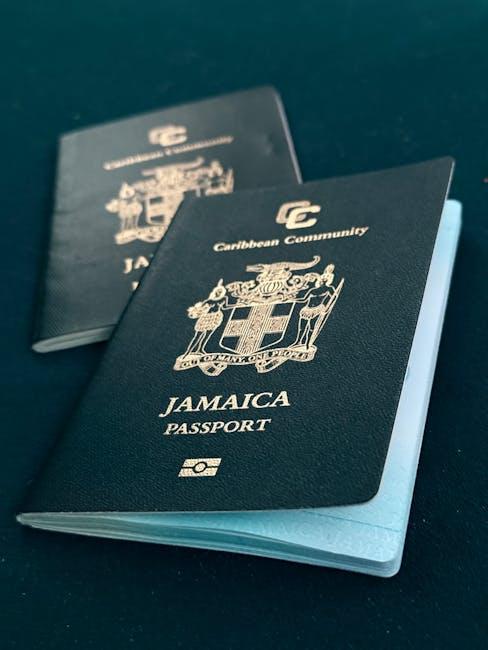
- Hold two passports concurrently, facilitating international travel.
- Be subject to taxation by both countries, necessitating careful financial planning.
- Face potential legal conflicts, especially if the second country claims exclusive rights during disputes or obligations.
To assist in framing these nuances, the table below summarizes key legal considerations unique to American dual citizens:
| Aspect | U.S. Legal Position | Common Challenges |
|---|---|---|
| Taxation | Global income subject to IRS reporting | Double taxation risk; need for Foreign Tax Credit |
| Military Service | No mandatory service; voluntary enlistment allowed | Possible conscription in second country |
| Legal Jurisdiction | Subject to U.S. law within borders | Conflicts if second country claims exclusive jurisdiction |
Balancing Cultural Heritage and Personal Identity
Embracing two cultures simultaneously requires a delicate dance between honoring ancestral roots and forging a distinct personal path. Every decision, from the food on the dinner table to the holidays celebrated, can reflect a blend of traditions or a preference for one over the other. This balancing act often leads to a richer understanding of oneself, as dual citizens learn to draw strength and inspiration from contrasting cultural values. In many cases, the journey involves navigating complex family expectations while also carving out space for individual beliefs and aspirations.
Living with dual citizenship can also introduce unique challenges in social and professional contexts. Society’s perception might push for clear-cut identity labels, yet dual citizens thrive in their ability to fluidly shift between cultural norms. Consider these everyday acts that highlight this balance:
- Language: Switching between languages depending on context, often merging phrases creatively.
- Celebrations: Blending rituals from both cultures to create new family traditions.
- Values: Choosing which cultural teachings to emphasize while adapting others for modern life.
| Element | Heritage Influence | Personal Identity |
|---|---|---|
| Food | Traditional recipes passed down | Fusion cooking with modern twists |
| Language | Fluent in native tongue | Incorporates slang and local dialects |
| Values | Respect for elders | Emphasis on individuality |
Managing Travel and Tax Obligations with Dual Nationality
Living as a dual citizen often means juggling the unique responsibilities that come with belonging to two countries simultaneously. Travel flexibility is one of the main perks, but it demands thorough preparation. It’s crucial to always verify visa requirements, entry rules, and passport validity dates for both nations before any trip. Additionally, maintaining separate travel documents helps streamline border checkpoints and reduces confusion during your journeys.
When it comes to taxes, the complexity can increase significantly. The United States taxes its citizens on global income, regardless of where they reside. Those with dual nationality must diligently understand tax treaties, foreign income exclusions, and reporting obligations. Below is a simplified table summarizing key considerations for dual citizens:
| Aspect | US Requirements | Foreign Country Considerations |
|---|---|---|
| Tax Filing | Annual IRS filings, including FBAR if >$10,000 abroad | Local tax declarations; may qualify for exemptions or credits |
| Travel Documents | US passport mandatory for US entry/exit | Use local passport for entry/exit to the other country |
| Reporting | Disclose foreign bank accounts and assets | Varies; may require proof of dual nationality |
Understanding these dual obligations fosters responsible citizenship and ensures your international lifestyle remains seamless and compliant.
Navigating Social Perceptions and Building Community Connections
Living as a dual citizen often means weaving through a tapestry of social perceptions that can be both enlightening and challenging. People may view dual citizenship as a symbol of privilege, opportunity, or even confusion about where one truly belongs. These external impressions can shape everyday interactions—from casual conversations to professional networking. It’s important to approach these perceptions with empathy and authenticity, acknowledging that identity is multifaceted and fluid. Embracing this complexity allows for deeper self-understanding, turning perceived social ambiguities into strengths that foster meaningful relationships.
Building strong community connections requires active engagement and a willingness to bridge cultural divides. Dual citizens benefit from cultivating spaces—both physical and virtual—where shared experiences create solidarity. Consider immersing yourself in:
- Cultural festivals that celebrate diverse heritages
- Community forums facilitating dialogue between traditions
- Local volunteer projects that underscore shared values
By fostering these connections, dual citizens contribute uniquely to community resilience and growth, turning personal identity into collective strength.
| Challenges | Opportunities |
|---|---|
| Feeling of divided loyalty | Access to broader networks |
| Navigating legal complexities | Cultural fluency and adaptability |
| Misconceptions from peers | Rich personal and community experiences |
Strategies for Preserving Dual Citizenship Benefits in a Changing World
In today’s dynamic global landscape, maintaining dual citizenship benefits requires more than just holding passports from two countries. Active engagement with both nations’ legal and cultural frameworks is essential to safeguard privileges such as voting rights, property ownership, and access to social services. Staying informed about changes in immigration laws, tax treaties, and international agreements becomes a vital practice for any American dual citizen wanting to preserve their rights without disruption.
Practical steps often include:
- Regularly reviewing legal changes through official government websites and trusted legal advisors.
- Maintaining a strong personal connection by participating in cultural events and networking within expatriate communities.
- Being proactive with tax compliance to avoid double taxation while maximizing benefits under relevant treaties.
- Keeping travel documents up to date and understanding visa requirements to ensure smooth mobility.
| Strategy | Benefit Preserved | Recommended Action |
|---|---|---|
| Tax Treaty Awareness | Avoiding Double Taxation | Consult tax specialists annually |
| Legal Updates Monitoring | Residency & Voting Rights | Subscribe to official newsletters |
| Cultural Engagement | Community & Identity | Attend national celebrations yearly |
| Document Renewal | Global Mobility | Renew passports 6 months before expiration |
The Way Forward
In the intricate mosaic of modern identity, being an American dual citizen is both a gift and a challenge—a continuous journey of balancing allegiance, culture, and personal meaning. As borders blur and global connections deepen, dual citizenship invites us to rethink what it truly means to belong. Navigating this unique path today requires openness, adaptability, and a thoughtful embrace of complexity. Ultimately, it is not just about holding two passports, but about weaving together stories, values, and experiences that enrich the tapestry of our lives in an ever-connected world.