In a world where borders blur and cultures intertwine, identity has become a mosaic rather than a mirror. Dual nationality, once a rare curiosity, now represents a growing reality for millions navigating the intricate landscape of belonging. This multifaceted status weaves together legal rights, emotional ties, and social perceptions, challenging conventional notions of citizenship and loyalty. As people embrace identities that span nations, they embark on a complex journey—balancing heritage and opportunity, connection and conflict. This article delves into the nuanced experience of dual nationality, exploring its challenges, advantages, and the evolving meaning of belonging in an increasingly interconnected world.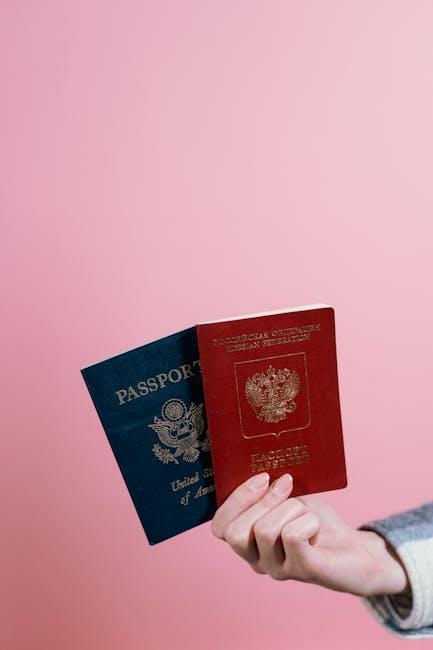
Understanding the Emotional Landscape of Dual Nationality
Embracing two national identities often means navigating a rich tapestry of emotions that are both enriching and sometimes challenging. The dual national experiences can evoke pride and belonging, as individuals carry the legacy, traditions, and languages of two distinct heritages. However, beneath this richness lies a persistent tension—a feeling of being caught between worlds, where belonging wholly to one culture may sometimes feel elusive. This emotional landscape is often marked by moments of joy when cultural facets blend harmoniously, contrasted with episodes of cultural dissonance where values or expectations clash.
Those who hold dual nationality often express a complex relationship with identity, shaped by factors such as family narratives, societal perceptions, and personal experiences. Within this emotional journey, common feelings include:
- Conflict: Wrestling with loyalty and expectations from both cultures.
- Adaptability: Developing resilience by learning to fluidly navigate different social norms.
- Enrichment: Gaining a broader worldview and deeper empathy.
| Emotion | Common Triggers | Emotional Outcome |
|---|---|---|
| Belonging | Family celebrations, cultural festivals | Connectedness and warmth |
| Alienation | Political debates, discrimination | Isolation and frustration |
| Curiosity | Exploring heritage, language learning | Excitement and growth |
Legal Challenges and Opportunities in Holding Two Passports
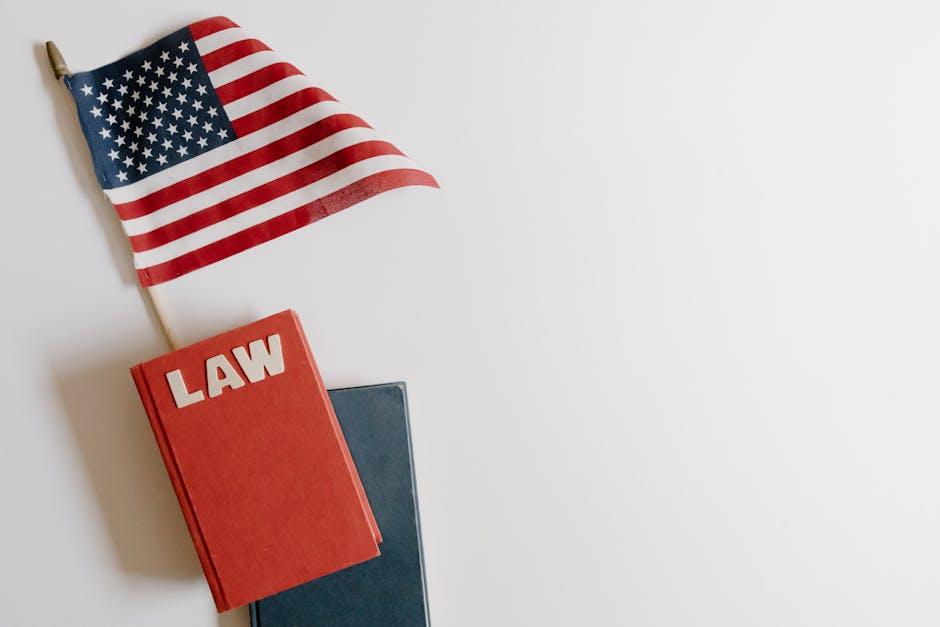
Possessing two passports unlocks a world brimming with possibilities, yet it also ushers in a unique set of legal intricacies. Dual nationality often places individuals at the crossroads of conflicting laws, such as differing obligations for military service, taxation, or political participation. For example, some countries mandate tax declarations regardless of residency, while others may impose severe penalties for holding a second nationality. Navigating these waters requires rigorous attention to the distinct legal frameworks of each nation and staying informed about bilateral treaties that could simplify or complicate the coexistence of dual citizenships.
On the flip side, having two passports offers strategic advantages that can be leveraged in global mobility and rights protection. Dual citizens often benefit from:
- Enhanced travel freedom, with access to a larger number of visa-free countries.
- Expanded professional and educational opportunities across multiple jurisdictions.
- Legal safeguards and consular support from two governments, which can be crucial in times of political unrest or emergencies.
| Legal Aspect | Potential Challenge | Opportunity |
|---|---|---|
| Military Service | Compulsory enlistment in both countries | Exemption or alternative service options |
| Taxation | Double taxation risks without treaties | Tax benefits under bilateral agreements |
| Political Rights | Restrictions on holding office | Participation in the electoral process in two states |
Cultural Fusion and Identity Formation Across Borders
Living between two national identities is more than just holding two passports; it is an ongoing dance of cultural synthesis. Individuals with dual nationality often weave elements from both heritages into their daily lives, crafting a personalized narrative that transcends geographic borders. This cultural blending can manifest in varied ways — from language use, culinary preferences, and fashion to deeply ingrained values and social behaviors. The fusion not only enriches personal identity but also challenges rigid notions of belonging, prompting a fluid interpretation of what it means to be “home.”
Embracing duality in identity introduces unique advantages and challenges that shape how people relate to the world around them. Some common experiences include:
- Expanded worldviews: Exposure to multiple cultures fosters empathy and adaptability.
- Complex sense of belonging: Navigating multiple cultural expectations can create both a bridge and a barrier.
- Creative identity formation: Individuals often blend traditions and innovation, creating new cultural expressions.
- Negotiation of stereotypes: Challenging preconceived notions from different social groups becomes part of daily life.
| Aspect | Influence on Dual Identity |
|---|---|
| Language | Hybrid dialects and code-switching enhance communication skills |
| Traditions | Selective integration fosters new meaningful customs |
| Social Norms | Constant balancing promotes cultural sensitivity |
| Self-Perception | Dynamic and evolving, influenced by context and community |
Practical Tips for Managing Dual Citizenship Responsibilities
Balancing the duties and privileges of dual citizenship often requires a strategic approach. Start by staying organized: maintain clear records of all important documents, such as passports, visas, tax filings, and residency permits. This helps prevent lapses that could complicate your legal standing. Understanding the tax obligations of each country is essential—some dual nationals must file tax returns in both countries, while others benefit from tax treaties that avoid double taxation. Consulting a tax professional familiar with cross-border regulations can save both money and stress.
Communication and proactive planning are your allies in managing dual citizenship. Consider creating a personalized checklist of responsibilities, including:
- Renewal dates for passports and official IDs
- Registration requirements for voting or civic duties
- Mandatory military service obligations (if applicable)
- Local laws concerning property ownership or business operations
Having a clear plan not only ensures compliance but also maximizes the benefits of your dual nationality, allowing you to embrace the unique opportunities each identity affords.
Building Bridges Beyond Borders through Dual Nationality Experiences
Embracing dual nationality opens doors to rich cultural tapestries, allowing individuals to weave together diverse heritages into a singular, vibrant identity. This blending often fosters greater empathy and understanding, creating organic bridges that connect distant cultures. People with dual citizenship become ambassadors in daily life, effortlessly navigating different social norms, languages, and traditions. They embody a living dialogue between worlds, turning personal experience into collective enrichment.
Navigating the complexities of legal rights, social expectations, and emotional ties requires resilience and adaptability. Challenges range from administrative hurdles to moments of profound self-reflection on where one truly belongs. Yet, these challenges also spark unique growth opportunities:
- Cultural adaptability: Developing flexibility in intercultural communication.
- Broader perspectives: Gaining insights that challenge narrow worldviews.
- Expanded networks: Building connections across geographic and cultural borders.
| Aspect | Dual Nationality Advantage |
|---|---|
| Identity | Blended cultural understanding |
| Travel | Access to more countries visa-free |
| Legal Rights | Benefits from two legal systems |
| Family | Maintains strong transnational ties |
Final Thoughts
In the intricate dance of belonging and selfhood, dual nationality emerges as both a bridge and a boundary—a living testament to the multifaceted nature of identity in our globalized world. As we navigate this complex terrain, we come to see that identity is less about choosing one path and more about embracing the rich tapestry woven from many. The stories of those who carry multiple flags remind us that identity is not a fixed destination, but an evolving journey—one where contradictions coexist and where the intersections of culture, law, and personal experience shape who we are. In acknowledging this complexity, we open the door to deeper understanding and a more inclusive world, where dual nationality is not a quandary to resolve but a reality to celebrate.