In a world where borders blur and cultures intertwine, identity has become a vibrant mosaic rather than a single shade. Multi-nationality, once a rarity, now defines the lives of millions, weaving together threads of heritage, language, and allegiance into a complex tapestry. Navigating this multifaceted existence calls for a nuanced understanding of belonging, rights, and self-perception—an exploration that reveals both the richness and the challenges of living between worlds. This article delves into the intricate landscape of multi-nationality, illuminating the evolving nature of identity in our increasingly interconnected global community.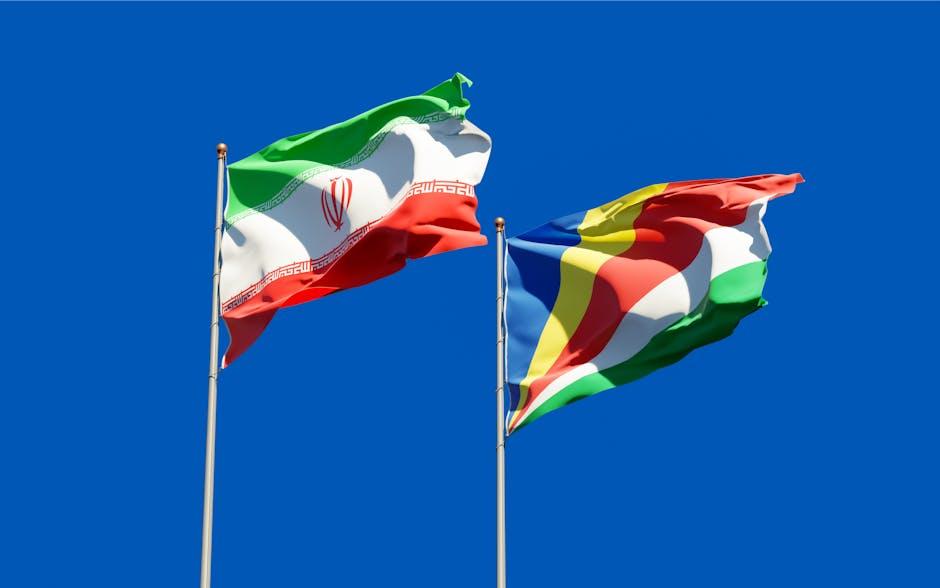
Understanding the Emotional Landscape of Multi-National Identity
Living between cultures stirs a vibrant yet intricate emotional tapestry. Individuals with ties to multiple nations often experience a rich blend of pride and confusion, belonging and rootlessness. This duality can ignite a profound sense of adaptability, empowering them to navigate diverse social landscapes with ease. Yet, it can also foster moments of emotional dissonance — where the values, languages, and traditions of one homeland might clash with those of another, leaving the individual caught in an ongoing negotiation of self.
At the heart of this experience are feelings that can fluctuate like a pendulum, ranging from exhilarating connection to cultural communities, to the pangs of isolation when facing misunderstandings or stereotypes. Consider the emotional spectrum:
- Belonging: Finding comfort and affirmation within multiple cultures.
- Alienation: Feeling misunderstood or marginalized by one or more cultural groups.
- Curiosity: Embracing constant learning and discovery about diverse traditions.
- Identity Fluidity: Allowing identity to evolve and reshape with experience.
| Emotion | Possible Triggers | Common Responses |
|---|---|---|
| Confusion | Conflicting cultural norms | Self-reflection, seeking guidance |
| Pride | Celebrating heritage and achievements | Engagement in cultural events |
| Loneliness | Feeling outside cultural circles | Building new communities |
Balancing Cultural Expectations and Personal Beliefs
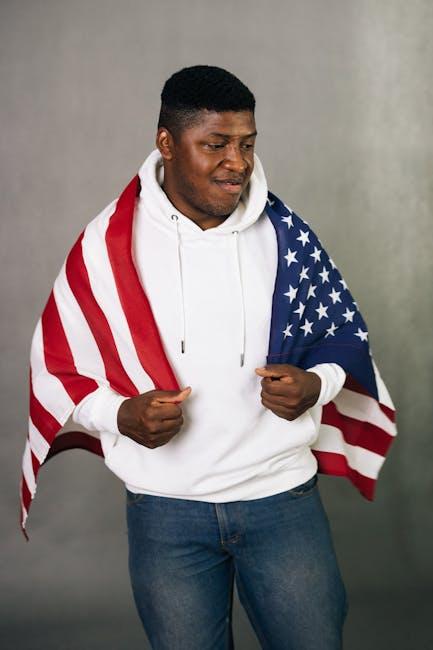
When individuals embody multiple cultural identities, they often find themselves walking a delicate tightrope between honoring deep-rooted traditions and pursuing personal values that may diverge from communal expectations. This balancing act requires a constant negotiation, where the freedom to express oneself authentically meets the respectful acknowledgment of heritage. The journey isn’t about choosing one over the other but weaving both into a harmonious existence that embraces flexibility and understanding.
Challenges arise in everyday scenarios, from family gatherings to professional settings, where cultural nuances and personal beliefs might conflict. Strategies to manage this include:
- Creating personal rituals that blend elements from different cultures
- Engaging in open dialogues with family and peers to foster mutual respect
- Setting clear boundaries to protect individual values while celebrating collective identity
| Challenge | Potential Solution |
|---|---|
| Pressure to conform | Establishing personal boundaries |
| Conflict of values | Engaging in respectful dialogue |
| Feeling disconnected | Creating blended cultural practices |
Legal Nuances and Rights Across Borders
When holding multiple nationalities, individuals often find themselves navigating a labyrinth of legal nuances that can vary dramatically from country to country. Citizenship is more than a passport; it’s a complex matrix of rights, responsibilities, and restrictions that can influence everything from taxation to conscription, voting, and even eligibility for public services. Understanding how each nation treats dual or multiple citizenships is crucial, especially since some countries may impose strict limitations or require exclusive allegiance, potentially leading to conflicts or loss of nationality. For many, this legal patchwork challenges notions of identity and belonging, intertwining bureaucratic reality with personal heritage.
Across borders, rights associated with nationality can be surprisingly inconsistent. Consider how freedom of movement, work eligibility, or access to social benefits can differ, even among nations within the same region. Here’s a snapshot of common legal contrasts faced by multi-national citizens:
- Military Service: Obligations vary widely, with some countries mandating conscription regardless of other citizenships.
- Tax Duties: While some nations tax based on residence, others tax based on citizenship, leading to complex financial planning needs.
- Political Participation: Voting rights may be limited in one country but fully available in another.
| Country | Dual Citizenship Allowed | Taxation Basis | Military Service |
|---|---|---|---|
| Canada | Yes | Residency | Voluntary |
| Japan | No | Citizenship | Mandatory (male, 18-26) |
| Germany | Limited | Worldwide income | Voluntary |
| Brazil | Yes | Residency | Selective |
Building a Cohesive Identity in a Globalized World
In today’s interconnected landscape, identity transcends borders, merging diverse cultural threads into a vibrant tapestry. Individuals with multiple nationalities often find themselves navigating a complex interplay of traditions, languages, and values. This fusion encourages a dynamic sense of self, where belonging is not confined to a single geography but enriched by a spectrum of experiences. Embracing complexity fosters resilience, enabling multi-national individuals to adapt fluidly between communities while maintaining a unique, authentic core.
Crafting this multifaceted identity involves harmonizing sometimes contrasting cultural influences, which can be both a challenge and a gift. Key elements contributing to a cohesive identity include:
- Language synthesis: Blending linguistic nuances to express a fuller emotional reality.
- Cultural rituals: Integrating celebrations and customs to honor all roots.
- Values alignment: Prioritizing shared principles over conflicting stereotypes.
- Community engagement: Building networks that support diverse aspects of identity.
| Challenge | Strategy | Outcome |
|---|---|---|
| Conflicting loyalties | Open dialogue with family & friends | Mutual understanding |
| Language barriers | Regular practice & cultural immersion | Enhanced communication |
| Social integration | Active involvement in local communities | Stronger social bonds |
Practical Strategies for Embracing and Celebrating Multi-Nationality
Living between different cultural landscapes offers a rich tapestry of experiences but also calls for intentional approaches to make the most of your multi-national identity. One creative way to nurture this is by curating a personal cultural ritual—whether it’s celebrating traditional holidays from each nationality, experimenting with culinary delights from your diverse backgrounds, or learning key phrases in all relevant languages. These practices help build a bridge between your heritages, turning abstract identities into tangible, daily affirmations of who you are.
Another strategy involves building a supportive community that reflects your multi-national reality. Surrounding yourself with people who understand and respect your complex cultural makeup can amplify your sense of belonging. Consider joining groups that emphasize cross-cultural exchange or attending cultural festivals and workshops that celebrate diversity. Below is a quick reference table summarizing tailored activities to embrace and celebrate multi-nationality effectively:
| Strategy | Activity Idea | Benefit |
|---|---|---|
| Cultural Rituals | Cook traditional dishes monthly | Deepens connection with heritage |
| Language Engagement | Weekly language exchange chats | Maintains linguistic skills |
| Community Building | Join multicultural clubs | Fosters understanding and support |
| Cultural Workshops | Attend heritage arts sessions | Promotes creative identity expression |
Final Thoughts
In a world where borders blur and identities intertwine, navigating the landscape of multi-nationality is both a challenge and a profound opportunity. It invites us to rethink belonging—not as a fixed point on a map, but as a fluid mosaic shaped by culture, memory, and experience. Embracing this complexity means embracing the richness of multiple perspectives, cultivating empathy across diverse backgrounds, and redefining what it means to call a place “home.” As global citizens continue to traverse these intricate pathways, their stories remind us that identity is not a destination but an ongoing journey, ever-evolving and deeply human.