In a world where borders blur and connections span continents, the notion of identity has become a rich tapestry woven from myriad cultural threads. Among the most intricate patterns emerging is that of triple citizenship—a phenomenon that challenges traditional ideas of nationality and belonging. Navigating identity in this complex landscape means balancing legal rights, personal affiliations, and societal expectations across three distinct nations. This article delves into the multifaceted realities faced by those who hold triple citizenship, exploring the opportunities and challenges they encounter as they chart their course through a rapidly globalizing world.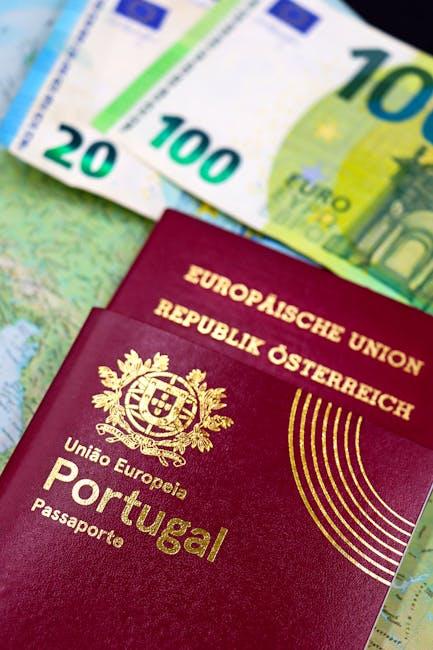
Understanding the Legal Landscape of Triple Citizenship
Delving into the realm of multiple nationalities reveals a labyrinth of regulations that vary wildly across the globe. While some countries embrace the modern reality by recognizing triple citizenship, others impose strict restrictions or outright bans. This legal diversity stems from concerns over political allegiance, tax obligations, and national security. The complexity increases when citizens must navigate conflicting laws, which can affect everything from voting rights to military service obligations. Understanding these nuances is essential for anyone embarking on the journey of holding three passports simultaneously.
To grasp the full scope, consider these key factors:
- Country-Specific Policies: Some nations, like Canada and the United Kingdom, openly permit triple citizenship, while countries such as China and India do not recognize multiple citizenship at all.
- Legal Obligations: Tax compliance and compulsory military service can become complex, requiring holders to remain vigilant about each nation’s laws.
- Diplomatic Protection: Triple citizens may find that not all their countries of citizenship will offer diplomatic support when abroad, especially if conflicts between citizenships arise.
| Country | Triple Citizenship Status | Key Restriction |
|---|---|---|
| Canada | Permitted | Must declare other citizenships |
| India | Not Permitted | Citizenship revoked if foreign citizenship obtained |
| United Kingdom | Permitted | Maintains foreign citizenship rights |
| China | Not Permitted | Cannot hold dual or triple nationality |

Balancing Rights and Responsibilities Across Three Nations
Holding citizenship in three countries presents a unique tapestry of legal obligations and civic privileges. Individuals must navigate the delicate balance between their rights to vote, work, and access social services in each nation, while simultaneously respecting the laws and cultural expectations that govern behavior. The complexity increases as duties like paying taxes, military service, or jury duty can vary wildly, sometimes overlapping or conflicting across borders. Success in this balancing act demands a nuanced understanding of where responsibilities align and diverge, for the benefits of multiple identities to flourish without legal or ethical entanglements.
Consider these core elements when harmonizing obligations and entitlements across three jurisdictions:
- Legal Compliance: Ensuring adherence to the laws of all nations to avoid penalties or loss of citizenship.
- Taxation: Understanding tax treaties and declarations to prevent double taxation.
- Civic Participation: Choosing where to exercise voting rights and community involvement.
- Consular Protection: Knowing which embassy to contact in times of need.
| Country | Key Responsibility | Unique Right |
|---|---|---|
| Nation A | Military Reserve Duty | Free Higher Education |
| Nation B | Annual Tax Declaration | Universal Healthcare |
| Nation C | Voting in Local Elections | Business Startup Incentives |
Cultural Identity and the Personal Impact of Multiple Allegiances
Embracing multiple citizenships often means weaving together a rich tapestry of cultural identities. Each allegiance carries its own traditions, languages, and social expectations, forming a dynamic interplay within one’s sense of self. This complexity can be both an enriching experience and a source of inner conflict, as individuals navigate feelings of belonging in more than one cultural sphere. The challenge lies in harmonizing these influences while maintaining authenticity, creating a unique identity that cannot be confined to a single nation.
Living with triple citizenship also introduces a fascinating set of emotional and practical considerations. Many experience moments of cultural dissonance, where competing loyalties trigger questions about values and priorities. On the other hand, having access to diverse perspectives often fosters greater empathy and adaptability. The following table highlights some of the personal challenges and benefits commonly encountered by triple citizens:
| Challenges | Benefits |
|---|---|
| Conflicting cultural expectations | Broadened worldview |
| Identity confusion during crisis | Access to diverse social networks |
| Balancing allegiance during political tensions | Enhanced language skills |
| Administrative and legal complexities | Opportunities for personal growth |
- Self-reflection: Constantly reassessing personal values.
- Adaptive communication: Shifting language and style across cultures.
- Emotional resilience: Managing mixed feelings of loyalty.
Practical Challenges in Travel, Taxation, and Military Service
Triple citizenship, while a symbol of global interconnectedness, often comes bundled with intricate travel dilemmas. Imagine holding three passports, but facing entry restrictions or visa requirements that conflict between the nations. Travelers might find themselves juggling different rules for visa-free access, transit durations, or even entry bans due to diplomatic tensions. Awareness of conflicting airline policies, immigration controls, and destination regulations becomes essential to avoid unexpected detentions or deportations at borders. Even routine procedures like airport security checks grow more complex when officers question the holder’s primary nationality or the purpose of multi-national journeys.
Beyond travel, taxation and military commitments present formidable labyrinths. Triple citizens may be liable to pay taxes in multiple jurisdictions, each with distinct fiscal calendars, reporting standards, and penalties for non-compliance. At times, bilateral treaties ease these obligations, but not consistently for tri-national situations. Service obligations also add weight: some countries mandate compulsory military service, forcing individuals to negotiate exemptions or fulfill duties across more than one nation. The resulting patchwork of obligations can disrupt long-term residency plans or career stability, necessitating expert legal counsel or strategic navigation through bureaucratic mazework.
- Travel: Conflicting visa policies & unpredictability of entry rights
- Taxation: Risk of double or triple tax liability without clear treaties
- Military Service: Mandatory enlistment requirements varying widely by country
| Challenge | Example Scenario | Potential Solution |
|---|---|---|
| Visa Conflicts | Denied entry using one passport despite holding others | Careful visa planning & using the most accepted passport |
| Taxation in Multiple Countries | Filing taxes in three countries with overlapping income | Engaging tax advisors familiar with international tax treaties |
| Compulsory Military Service | Facing call-up in more than one nation | Seeking exemptions or deferrals through diplomatic channels |
Strategies for Managing and Protecting Your Triple Citizenship Status
Maintaining triple citizenship requires a proactive approach to ensure that the rights and responsibilities of each nationality are respected without conflict. It’s essential to stay informed about the legal landscapes of all three countries, as regulations can shift rapidly, affecting taxation, military service, or political participation. Consider designating a trusted legal advisor in each country who can help navigate bureaucratic complexities. Staying organized with your documentation is equally crucial — maintain updated passports, visas, and local IDs in a secure, accessible location, both physically and digitally.
Financial planning becomes more nuanced with triple citizenship, as tax obligations may overlap or vary in unexpected ways. To safeguard your status, adhere to strict compliance with each country’s reporting requirements. The following table highlights key focus areas for managing your triple citizenship effectively:
| Aspect | Strategy | Benefit |
|---|---|---|
| Legal Compliance | Regular consultation with immigration lawyers | Minimizes risk of losing citizenship status |
| Documentation | Organize and renew all documents promptly | Ensures uninterrupted travel & rights |
| Financial Management | Hire cross-border tax experts | Avoids costly penalties and double taxation |
| Communication | Maintain contacts with consulates | Access emergency assistance when needed |
- Proactively monitor changes in naturalization laws in each country to avoid unexpected nationality revocations.
- Leverage technology by using secure apps for document storage and reminders for passports or ID renewal dates.
- Engage with expat communities to share experiences and gain practical insights on managing citizenship complexities.
Concluding Remarks
In the intricate dance of triple citizenship, identity becomes both a mosaic and a mirror—each piece reflecting unique histories, rights, and responsibilities that interlace across borders. Navigating this multifaceted existence challenges traditional notions of belonging, prompting us to reconsider what it truly means to call a place home. As globalization continues to blur lines and deepen connections, the journey through multiple identities invites us to embrace complexity with curiosity, empathy, and an open mind—acknowledging that within the tapestry of triple citizenship lies a vibrant story of human mobility and resilience.