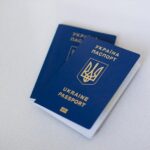
In a world increasingly defined by borders both visible and invisible, the concept of identity has become a complex tapestry woven from cultural threads and personal experience. For the American dual citizen, this tapestry is especially intricate—a continual balancing act between two nations, two sets of histories, and often, two distinct senses of belonging. Navigating Identity: The Journey of an American Dual Citizen explores the unique challenges and enriching opportunities that come with living between worlds, where citizenship is not just a legal status, but a profound journey of self-discovery and connection.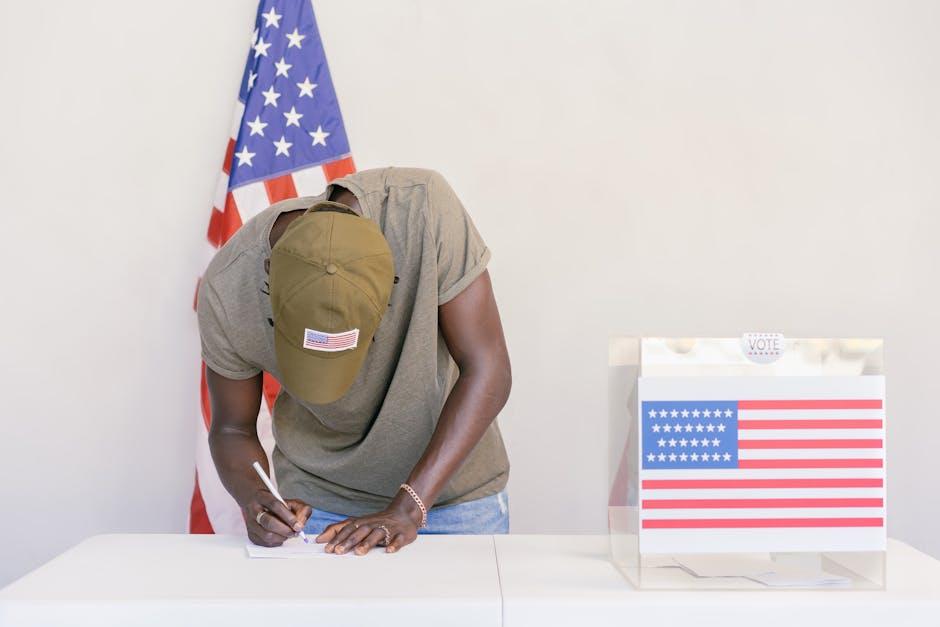
Understanding the Emotional Landscape of Dual Citizenship
Living with dual citizenship often means navigating a complex emotional terrain where feelings of belonging are fluid and ever-changing. This experience shapes a unique identity mosaic, melding the cultural norms, traditions, and values of two nations into one’s personal narrative. There is an undeniable tug of loyalty that pulls in different directions, sometimes leading to inner conflicts, but also to profound growth and empathy. The journey can evoke feelings of pride and freedom, yet occasionally, a sense of displacement or cultural dissonance may emerge.
Beyond the internal emotions lies the challenge of external perception. The world often expects individuals to fit neatly into singular national identities, but the dual citizen’s reality defies such boundaries. Embracing this duality requires resilience and self-awareness, paired with an openness to celebrate difference rather than cling to uniformity. Here are a few emotional dimensions commonly experienced:
- Belonging versus alienation: Balancing the pull between two cultures.
- Identity fluidity: Adapting to situations that demand one identity over the other.
- Empathy development: Enhanced understanding of diverse perspectives.
- Identity pride and challenges: Embracing the unique advantages and hurdles of dual citizenship.
| Emotion | Common Triggers | Coping Strategies |
|---|---|---|
| Belonging | Family gatherings, national holidays | Participate actively in cultural events |
| Alienation | Language barriers, societal expectations | Building supportive networks |
| Conflicted Loyalty | Political tensions between countries | Develop open dialogues and personal reflection |
Balancing Legal Rights and Responsibilities Across Borders
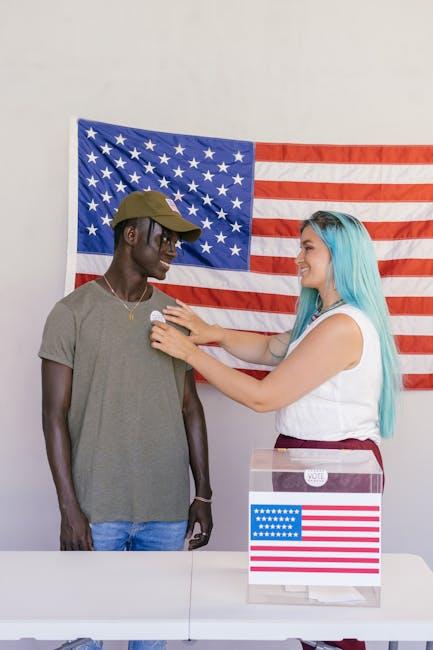
Crossing borders with multiple passports raises intricate questions about where rights end and responsibilities begin. Dual citizenship offers unique privileges, such as voting in multiple nations and accessing social services abroad, but it also demands a keen awareness of legal obligations on both sides. From tax filings to military service, a dual citizen often finds themselves navigating a complex web that requires not only compliance but also an understanding of discrepancies between each country’s legal framework. This balancing act challenges one to carefully align personal identity with civic duties, ensuring that allegiance is both respected and responsibly maintained.
To illustrate, consider the typical responsibilities and benefits faced by an American dual citizen:
- Residence Requirements: Obligations may vary—some countries demand physical presence to retain benefits.
- Tax Commitments: Navigating double taxation treaties and filing annually in both jurisdictions.
- Civic Participation: Engaging in elections or military service, depending on age and specific legal mandates.
| Aspect | United States | Other Nation |
|---|---|---|
| Voting Rights | Federal & State | Depends on Local Laws |
| Tax Obligations | Worldwide Income Tax | Varies by Country |
| Military Service | Voluntary (Except Draft Age Groups) | Mandatory in Some |
Embracing Cultural Hybridity for Personal Growth
Living at the crossroads of two cultures offers a profound opportunity to redefine oneself beyond conventional boundaries. The blending of traditions, languages, and values fosters a unique lens through which the world is understood, encouraging a dynamic journey of self-discovery. Embracing this hybridity nurtures adaptability and empathy, qualities that enrich personal relationships and broaden perspectives. It also allows for a selective integration of the best elements from each culture, crafting a personalized identity that is both fluid and resilient.
Maintaining balance within this multicultural space can be challenging, yet it presents invaluable life skills. The internal dialogue between differing cultural norms often leads to heightened self-awareness and critical thinking. Below is a glimpse of how this integration shapes personal growth:
| Aspect | Impact on Growth |
|---|---|
| Cultural Flexibility | Enhances problem-solving with diverse approaches |
| Language Duality | Boosts cognitive agility and communication skills |
| Value Synthesis | Creates a unique personal value system |
| Community Connection | Fosters inclusivity and a sense of belonging |
Navigating Travel Complexity and Documentation Challenges
Traveling as a dual citizen often means juggling the intricacies of multiple passports, visas, and legal documentation, which can create both a sense of empowerment and frustration. Beyond the usual passport checks, one must anticipate questions about nationality, residency, and even allegiance — a maze that requires careful preparation and understanding. The challenge isn’t just about carrying the right papers; it’s about knowing when and how to present each identity to streamline your journey. The stakes rise higher when traveling between countries with differing political relationships or travel restrictions, turning what should be a straightforward experience into a logistical puzzle.
- Double Documentation: Carry both passports but understand which one is valid for your destination and returning home.
- Visa Variations: Some countries mandate visas depending on the passport used, requiring thorough research before departure.
- Border Interactions: Customs officers may ask for explanations about your dual status, so carrying supporting documents can ease the process.
To navigate these complexities effectively, organization and foresight become essential tools. Maintaining a travel kit with photocopies, visa receipts, and contact information for consulates can alleviate last-minute stress. Equally, staying updated on international travel advisories and bilateral agreements between nations helps avoid surprises. There’s an art to balancing transparency and privacy when explaining your citizenship; sharing enough information to comply without oversharing sensitive details is a subtle but vital skill for dual nationals.
| Tip | Why It Matters |
|---|---|
| Keep digital copies of all documents | Easy access in case of loss or theft |
| Understand the entry/exit rules for each passport | Avoid fines or travel bans |
| Inform airlines in advance | Smoother check-in with dual citizenship |
Building a Support Network for Dual Identity Success
Crafting a resilient foundation starts with surrounding yourself with individuals who truly understand the nuances of dual citizenship. This unique identity often requires a support system that goes beyond the conventional, offering empathy, shared experiences, and practical advice. Seek out cultural groups, online forums, and local meetups where you can connect with fellow dual citizens. These communities can become invaluable, functioning as a safe space to express challenges, celebrate victories, and exchange insights about navigating two distinct legal and social landscapes.
In addition to peer connections, consider building relationships with professionals who specialize in dual citizenship issues—like immigration attorneys, tax advisors, and cultural liaisons. Below is a quick guide on key support roles to consider:
| Support Role | How They Help | Tip for Connection |
|---|---|---|
| Immigration Attorney | Clarifies legal statuses and rights | Attend community legal workshops |
| Tax Advisor | Helps navigate complex tax laws | Schedule annual consultations |
| Cultural Liaison | Facilitates cultural understanding | Join cultural exchange programs |
Future Outlook
In the delicate dance of belonging, the journey of an American dual citizen unfolds as a rich tapestry of cultures, perspectives, and experiences. Navigating identity is rarely a linear path—it is a mosaic of moments where one embraces multiplicity rather than choosing a singular definition. As borders blend and stories intertwine, dual citizenship becomes more than a legal status; it is an invitation to see the world through varied lenses, enriching both personal and collective narratives. Ultimately, the journey is less about arriving at a fixed identity and more about embracing the fluidity of who we are in an ever-connected world.