
In the intricate journey of immigration, documents serve as both your compass and key—guiding you through legal pathways and unlocking new opportunities. Yet, the maze of forms, permits, and certifications can often feel overwhelming, clouding what should be an exciting transition with uncertainty. “Navigating Immigration Documents: A Guide to Essential Papers” aims to illuminate this complex landscape, providing clarity and confidence for those seeking to understand the paperwork that shapes their migration story. Whether you’re preparing for your first application or renewing longstanding status, this guide is your steady companion through every signature, stamp, and deadline.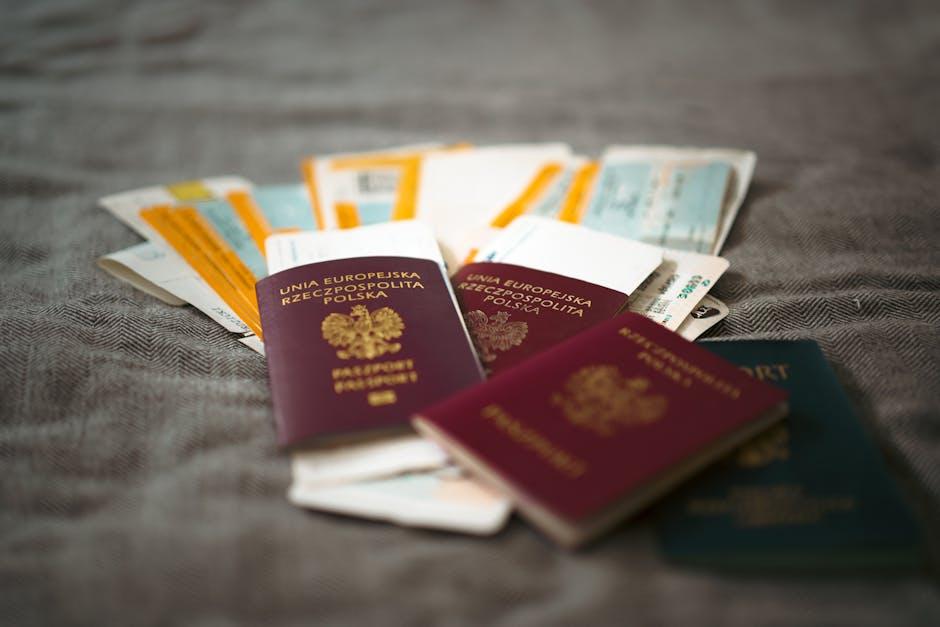
Understanding Key Immigration Documents and Their Purposes
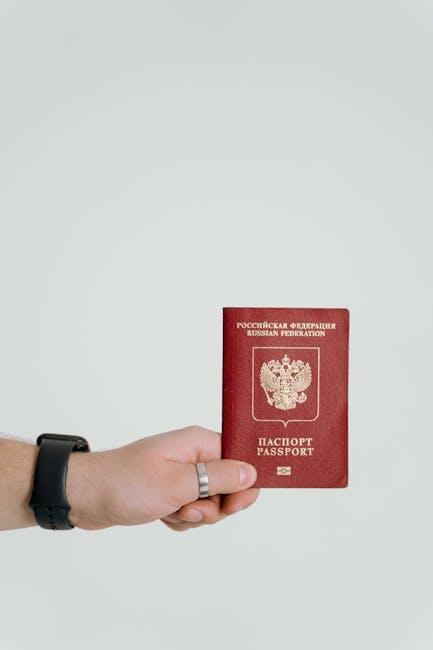
Every immigrant’s journey begins with understanding a variety of pivotal documents that define their legal status in a new country. These papers aren’t just stacks of paper; they are the keyholders to rights, privileges, and sometimes, the challenge of proving one’s identity or eligibility. At the center of this collection are documents such as passports, which authenticate a person’s identity and nationality, and visas that grant legal permission to enter or stay for specific purposes. Equally important are green cards or permanent resident cards, which signify long-term residency, and work permits that authorize employment under regulated conditions.
Understanding the distinct roles of these documents can simplify the complex maze of immigration procedures. Here’s a brief rundown:
- Passport: Universal proof of identity and nationality.
- Visa: Entry permission linked to travel purpose and duration.
- Permanent Resident Card: Confirmation of long-term lawful residency.
- Work Authorization: Legal clearance to engage in employment.
- Travel Document: Allows re-entry for those without a valid passport.
| Document | Purpose | Validity |
|---|---|---|
| Passport | Identify and prove nationality | 5–10 years |
| Visa | Authorize entry and stay | Varies by visa type |
| Permanent Resident Card | Proof of legal residency | Typically 10 years |
| Work Permit | Legal employment authorization | Varies by issuance |
| Travel Document | Allow re-entry without a passport | Varies |
Steps to Obtain and Verify Authenticity of Essential Papers
Begin by identifying the specific documents you need based on your immigration pathway. Each country and visa category demands a unique set of papers, such as birth certificates, passports, work permits, or residency cards. To streamline this process, create a checklist that encompasses every required item. From the local government offices to accredited online platforms, ensure your sources are official and reliable. Keep digital and physical copies safe and organized, as misplaced papers can cause significant delays.
Verification is equally crucial to avoid fraud and processing setbacks. Cross-reference your documents with issuing authorities or through trusted verification services. Pay attention to subtle security details like watermarks and official stamps. If needed, consider consulting legal experts or immigration consultants who specialize in document validation. Below is a quick reference table highlighting common documents and their primary verification sources:
| Document | Primary Verification Source |
|---|---|
| Birth Certificate | Vital Records Office |
| Passport | National Passport Authority |
| Work Permit | Immigration Department |
| Residency Card | Local Immigration Office |
Common Challenges and How to Overcome Documentation Hurdles
One of the primary obstacles in managing immigration paperwork is the overabundance of forms and documents, often with nuanced differences that can easily cause confusion. Keeping track of expiration dates, translation requirements, and document authenticity adds layers of complexity. To mitigate these issues, it’s essential to implement a systematic approach: digitally scan and organize your documents in clearly labeled folders on a secure cloud platform. This not only reduces the risk of loss but also makes retrieval straightforward during urgent situations.
Another common challenge is the varying terminology and information requests across different immigration authorities, which can lead to mistakes or incomplete submissions. To navigate this, it’s wise to create a personalized checklist tailored to your specific visa type or immigration process. The table below illustrates a basic framework for such a checklist, which can be expanded depending on individual circumstances:
| Document Type | Status | Notes |
|---|---|---|
| Passport | Valid | Expires in 8 months |
| Visa Application Form | Completed | Double-checked for accuracy |
| Proof of Residence | Pending | Waiting on recent utility bill |
- Set reminders for document renewals well in advance.
- Consult official government resources regularly for updates.
- Seek professional advice if unsure about specifications.
Organizing and Safeguarding Your Immigration Records Effectively
Keeping your immigration documents in order not only simplifies your paperwork but also brings peace of mind when deadlines approach or emergencies arise. Start by designating a dedicated folder, whether physical or digital, exclusively for all your immigration papers. Use clear labels and categorize documents by type — visas, work permits, residency cards, correspondence, and receipts — making retrieval intuitive. Consider color coding or using tabs to separate sections; this visual organization reduces confusion and ensures you won’t miss crucial paperwork during important appointments or travel.
Protection of these sensitive documents is paramount. Aside from keeping them in a locked, fireproof safe or a password-secured digital folder, back up digital copies in multiple locations such as a USB drive, cloud storage, or a secure email account. To avoid loss from unexpected events, make a checklist of all important documents, noting their expiry dates and renewal requirements. Here’s a simple rundown you can model your system on:
| Document Type | Storage Location | Renewal Reminder |
|---|---|---|
| Visa | Folder – Section A | Set calendar alert 3 months prior |
| Work Permit | Folder – Section B | Check validity every 6 months |
| Residency Card | Locked safe & Digital backup | Renew 2 months before expiry |
- Digitize all paperwork. Use scanners or smartphone apps to create searchable PDFs.
- Maintain a chronological log. Record dates of received, submitted, and updated documents.
- Secure sharing protocols. Use encrypted email or file-sharing services when sending sensitive documents.
Preparing for Interviews and Legal Proceedings with Proper Documentation
Ensuring you have the right documents at hand can make all the difference when facing interviews or legal proceedings related to immigration. Organize your papers systematically—group original documents separately from copies, and consider using color-coded folders or digital backups for quick access. Documents such as visas, passports, work permits, and correspondence from immigration authorities should be easily retrievable to present a clear narrative of your status and history.
Preparation extends beyond just gathering documents. Familiarize yourself with key details of your case, so you can confidently explain or answer questions without fumbling for paperwork. Here’s a list of crucial documents you should keep ready:
- Personal Identification: Passport, birth certificate, national ID.
- Immigration Status Papers: Visa approval notices, permits, or receipts.
- Legal Correspondence: Letters from immigration officials or attorneys.
- Supporting Documents: Proof of residence, employment, or educational enrollment.
| Document Type | Why It’s Important | Tip for Preparation |
|---|---|---|
| Passport | Proof of identity and nationality | Keep it valid and free of damage |
| Visa Notice | Confirms legal entry and status | Print official letters; highlight dates |
| Legal Letters | Reflects case progression | Organize chronologically for quick reference |
| Proof of Residence | Supports ties to the community | Utility bills or lease agreements work well |
The Conclusion
Navigating the maze of immigration documents may seem daunting, but with a clear understanding of the essential papers, the journey becomes more manageable. Each form, certificate, and permit is a stepping stone toward a new chapter, representing both challenges and opportunities. By approaching the process with patience and organization, you empower yourself to transform what once felt like a bureaucratic labyrinth into a pathway of possibility. Remember, every signature and stamp brings you closer to your destination—one carefully documented step at a time.




