In a world increasingly defined by borders both drawn and blurred, living as an American dual citizen offers a unique blend of opportunities and challenges. Straddling two national identities means more than just holding passports; it is a journey of navigating legal landscapes, cultural expectations, and personal allegiances. This balanced guide aims to illuminate the path for those who find themselves living between two flags, offering insight and practical advice to turn dual citizenship into a source of strength rather than strain. Whether you inherited this status, earned it, or are considering it, understanding the nuances is key to embracing a fuller, richer experience of life on both sides.
Understanding Dual Citizenship Rights and Responsibilities
Holding dual citizenship unlocks a world of possibilities, but it also anchors you between two sets of legal systems and cultural expectations. On one hand, you enjoy the privilege of voting rights in elections of both countries, access to public services, and the ability to live, work, or study without cumbersome visa requirements. However, these benefits come with the obligation to respect the laws and customs of each nation. It’s essential to stay informed about tax regulations, mandatory military service, and travel restrictions that might differ—and sometimes conflict—between your two countries of citizenship.
Understanding your dual citizenship means embracing a dual identity in legal and social contexts. Key responsibilities to keep in mind include:
- Tax filing requirements: Reporting income to both countries if required.
- Civic duties: Jury service, voting, and adherence to local laws.
- Passport use: Utilizing the appropriate passport for entering or leaving each country.
- Consular protection: Knowing which country can assist you abroad under various circumstances.
| Rights | Responsibilities |
|---|---|
| Work and live freely | Pay taxes on worldwide income |
| Access to social services | Comply with local laws |
| Voting in elections | Serve jury when called |
| Dual passport travel | Declare dual status when required |
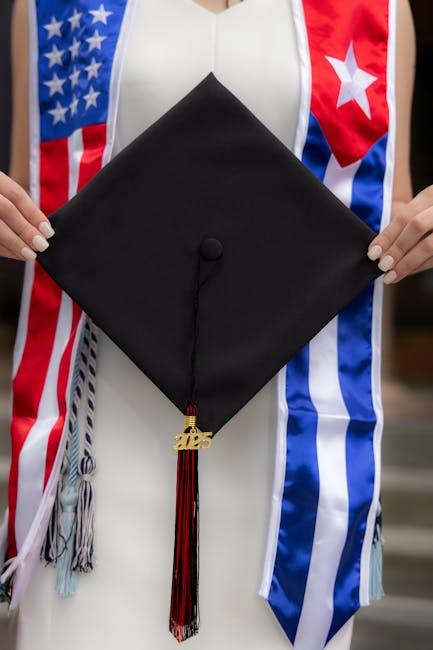
Balancing Cultural Identity and Personal Belonging
Balancing the rich tapestry of dual citizenship involves more than just legal documentation; it’s a delicate dance of honoring heritage while carving out a personal identity. Many find themselves weaving traditional customs and contemporary values into a unique personal narrative. This process can foster a profound sense of belonging that transcends geographic borders, allowing individuals to carry their culture with pride yet feel at home in diverse settings.
Key approaches to fostering this balance often include:
- Active cultural engagement: Participating in festivals, language classes, or community events connected to both countries.
- Personal reflection: Regularly assessing which aspects of each culture resonate most genuinely on an individual level.
- Building inclusive networks: Creating social circles that respect and celebrate dual identities without pressure to conform.
| Challenge | Balanced Strategy | Benefit |
|---|---|---|
| Feeling divided loyalty | Emphasize shared values over nationality | Unified sense of purpose |
| Cultural misunderstandings | Promote open conversation and education | Stronger intercultural relationships |
| Identity confusion | Create personal symbols and rituals | Clearer self-awareness |
Managing Taxes and Legal Obligations Across Borders
When living between two countries, understanding your tax responsibilities is essential to avoid costly penalties and audits. As a dual citizen, you are obligated to report your global income to the U.S. Internal Revenue Service (IRS), irrespective of where you reside. However, thanks to mechanisms like the Foreign Earned Income Exclusion (FEIE) and foreign tax credits, you can often reduce or eliminate double taxation. Staying organized with detailed records of income, foreign assets, and tax filings is crucial to smoothly navigating the complex web of international taxation.
Beyond taxes, legal obligations extend to adherence to both countries’ regulations on banking, estate planning, and even voting rights. It’s wise to consult cross-border legal experts who can help you understand which laws apply to you, especially concerning inheritance, property ownership, and business activities. Below is a quick comparison of key tax elements you need to monitor:
| Aspect | U.S. | Foreign Country |
|---|---|---|
| Income Reporting | Global income must be reported | Local income reporting |
| Tax Payment | Federal & State taxes | Local taxes may apply |
| Foreign Bank Accounts | FBAR reporting required | Varies by country |
| Estate Tax | Applies to worldwide assets | Country-specific laws |
- Keep up with deadlines: Different countries have varying tax year ends and filing deadlines.
- Use double-tax treaties: These agreements can help reduce your tax burden.
- Maintain dual legal compliance: Stay informed about both countries’ evolving laws.
Navigating Travel Challenges and Passport Advantages
Travel for dual citizens often unfolds as a dynamic puzzle—one that combines the privileges of two passports with the intricate regulations of multiple governments. While having dual citizenship can streamline visa applications and broaden access to countries otherwise restricted, it also demands careful navigation of differing entry and exit requirements. For example, an American dual citizen must comply with U.S. laws requiring them to enter and leave the U.S. using their American passport, which can complicate layovers or unexpected travel changes involving the second nationality.
Key advantages can include:
- Expanded visa-free travel options
- Access to bilateral trade agreements
- Emergency government assistance from either country
- Ability to work and live freely in two nations
| Challenge | Solution |
|---|---|
| Conflicting travel rules | Maintain updated knowledge on entry laws for both passports |
| Customs declarations | Declare items as per each country’s regulations to avoid fines |
| Double taxation risks | Use tax treaties and consult a tax advisor |
| Lost or stolen passport abroad | Carry secondary ID and register with embassies |
Building a Support Network for a Transnational Lifestyle
Creating a reliable support system that spans borders is essential for anyone embracing a transnational lifestyle. This network acts as your safety net, emotional anchor, and cultural bridge all at once. Start by cultivating strong connections with local communities in both countries—community centers, expat groups, and cultural associations are great places to root yourself. In addition, maintaining close ties with family and friends through regular communication can provide emotional stability amidst constant change.
Don’t underestimate the power of digital tools to enhance your support network. Platforms like WhatsApp or Slack allow you to keep multiple groups organized—whether for professional contacts, social circles, or interest-based communities. Consider these key elements when building your network:
- Localized Help: Connect with professionals such as healthcare providers or legal advisors familiar with dual citizenship complexities.
- Shared Experiences: Join online forums or social media groups specifically for transnational or dual citizens.
- Flexibility: Ensure your network includes individuals who can accommodate different time zones and cultures.
- Emotional Support: Friends and mentors who understand the unique challenges of navigating multiple identities.
| Network Element | Purpose | Example |
|---|---|---|
| Local Contacts | Immediate assistance & cultural immersion | Neighbors, community leaders |
| Online Communities | Shared advice & emotional connection | Facebook groups, Reddit forums |
| Professional Experts | Guidance on legal/financial matters | Immigration lawyers, tax consultants |
| Family & Friends | Emotional support & stability | Close relatives, long-term friends |
Closing Remarks
In the intricate dance of dual citizenship, where cultures intertwine and responsibilities overlap, the journey of an American dual citizen is both a challenge and a privilege. Navigating this unique identity requires balance, awareness, and a heartfelt embrace of complexity. As you move forward, may this guide serve as a compass—helping you honor the roots that ground you and the bridges that connect you. After all, living between two worlds is not just about managing legalities; it’s about crafting a life enriched by diversity, perspective, and endless possibilities.