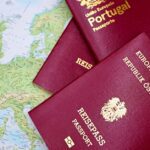
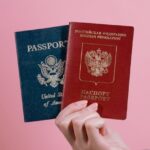
In a world increasingly woven together by threads of culture, opportunity, and connection, the concept of identity has evolved beyond borders. For those living with dual nationality, existence is a dynamic dance between two homelands—a unique blend of traditions, rights, and responsibilities. “Navigating Life with Dual Nationality: A Global Identity Guide” embarks on an exploration of the complexities and possibilities that come with holding multiple citizenships. This journey reveals how dual nationals balance the privileges and challenges of their multifaceted identities while crafting a personal narrative that defies singular definition. Whether driven by heritage, circumstance, or choice, the experience of dual nationality opens doors to a richer, more interconnected life—one that mirrors the world’s shifting landscape itself.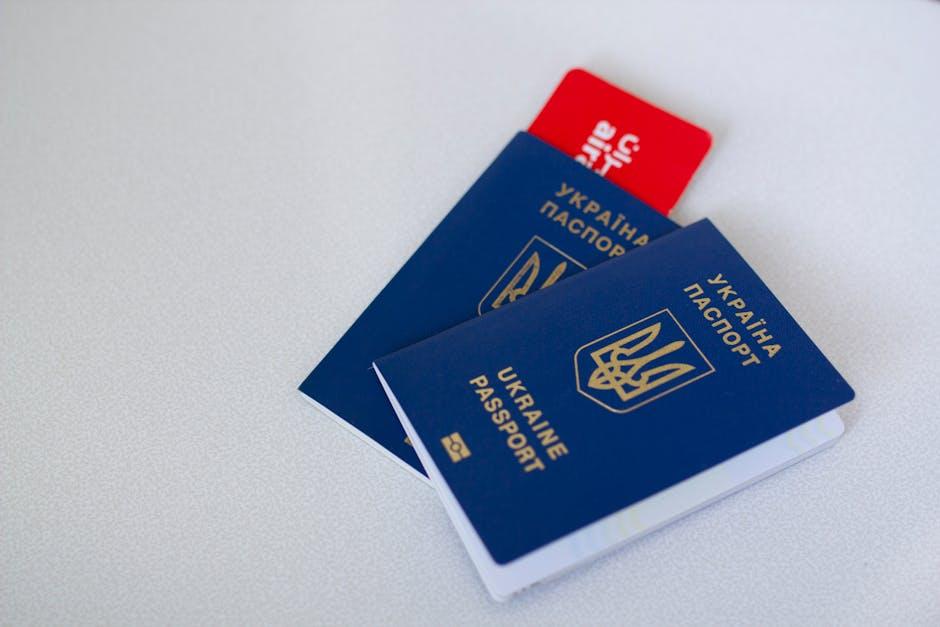
Understanding the Legal Landscape for Dual Citizens
Dual citizenship opens the door to a world of opportunities, but it also introduces a complex web of legal requirements that vary widely by country. Some nations recognize dual nationality without restrictions, while others impose strict rules on how dual citizens can exercise their rights or hold public office. Understanding these variations is critical to avoid legal pitfalls and maintain compliance. For instance, certain countries may require dual citizens to use their original passport when entering or leaving the country, and failing to do so could result in unexpected legal hurdles.
Being informed about the legal obligations attached to dual nationality helps individuals navigate taxes, military service, and civic duties across borders. Here is a quick overview of key factors to consider:
- Taxation: Some countries tax citizens based on residency, while others tax on worldwide income regardless of where you live.
- Military Service: Dual nationals may be required to fulfill mandatory conscription in one or both countries.
- Legal Protections: Rights to consular assistance or voting can differ significantly.
- Renunciation Policies: Be aware if one country demands renunciation of the other nationality under specific conditions.
| Country | Dual Citizenship Status | Key Legal Note |
|---|---|---|
| Canada | Permitted | No loss of citizenship upon acquiring another |
| Japan | Limited | Requires choice of one nationality by age 22 |
| Germany | Conditional | Generally forbids dual citizenship except for EU nationals |

Balancing Cultural Roots While Embracing New Traditions
Maintaining a connection with your cultural roots while eagerly adopting new customs is a subtle art that many dual nationals master. It’s not just about preserving traditions but adapting them in ways that enrich everyday life. This dynamic blend allows you to create a personalized cultural mosaic, where family recipes might meet modern cooking techniques, or traditional festivals are celebrated alongside global holidays. Embracing this duality requires openness and respect for the unfamiliar, while cherishing the familiar moments that define your sense of belonging. Through rituals, language, and shared memories, you nurture a living bridge connecting your past with your present.
Finding harmony between these cultural worlds often means making intentional choices about which traditions to uphold and which new ones to celebrate. Here are some thoughtful approaches to consider:
- Celebrate selectively: Integrate holidays and customs that resonate deeply with your values and experiences.
- Share stories: Pass down cultural narratives that shape your identity to younger generations and friends.
- Create fusion rituals: Design new traditions that combine elements from both heritages to reflect your unique journey.
- Build community: Connect with others who have similar dual-national backgrounds for shared understanding and support.
| Aspect | Cultural Roots | New Traditions |
|---|---|---|
| Food | Grandma’s recipes | Global cuisine fusion |
| Festivals | Heritage holidays | International celebrations |
| Language | Native tongue | Multilingual exchange |
Practical Strategies for Managing Multiple Passports and Visas
When juggling multiple passports and visas, staying organized is paramount. Consider using a dedicated travel binder or a digital app designed for storing travel documents. These tools allow you to categorize information by country, noting visa validity dates, renewal reminders, and entry requirements. A well-maintained system reduces the risk of missed deadlines and forgotten paperwork—common pitfalls in the complex world of dual or multiple citizenships.
Another savvy strategy is to maintain a snapshot spreadsheet for quick reference, summarizing essential details like visa durations, renewal windows, and travel restrictions:
| Country | Passport Number | Visa Type | Expiry Date |
|---|---|---|---|
| United Kingdom | 123456789 | Tourist | 2025-08-15 |
| Canada | 987654321 | Work Permit | 2024-12-01 |
| Australia | 112233445 | Student | 2023-11-20 |
Regularly consulting official embassy websites or trusted visa services ensures you’re updated on policy changes. Additionally, always carry photocopies or digital backups of your documents, and when possible, register your multiple passports with border authorities to expedite immigration processes. In essence, proactive management combined with reliable documentation safeguards your global mobility and peace of mind.
Navigating Tax Obligations Across Borders with Confidence
Understanding your responsibilities in two (or more) tax systems can feel overwhelming, but it’s crucial to stay informed and organized. Begin by pinpointing where you owe taxes, which might include your country of residence, citizenship, or even where you earn income. Many dual nationals benefit from tax treaties designed to prevent double taxation—agreements that determine which country gets priority in taxing certain types of income. Familiarizing yourself with these treaties helps you avoid paying more than your fair share and opens avenues for legal tax credits or deductions.
When it comes to managing your tax filings, keep in mind the following essential tips:
- Track all sources of income: Foreign salaries, investment returns, and property rentals all count.
- Understand filing deadlines: Deadlines may differ between countries, so set reminders to prevent penalties.
- Use expert advice: Certified cross-border tax consultants can unlock strategies tailored to your unique situation.
- Maintain thorough documentation: Records of income, taxes paid abroad, and residency status are invaluable during audits.
| Country | Key Tax Form | Common Deadline | Double Tax Treaty? |
|---|---|---|---|
| USA | Form 1040 | April 15 | Yes |
| Canada | T1 General | April 30 | Yes |
| Germany | Einkommensteuererklärung | July 31 | Yes |
| Australia | Individual Tax Return | October 31 | Yes |
Building a Community and Support Network in a Globalized World
In an era where borders blur and cultures intertwine, fostering a sense of belonging goes beyond geography. Embracing a global identity means cultivating connections that resonate with your multifaceted heritage. To thrive, consider creating or joining diverse communities—both online and offline—that celebrate multicultural experiences. These networks often provide invaluable resources such as language exchange groups, cultural events, and mentorship opportunities, all of which help bridge the gap between your dual worlds.
Building a support network requires intentionality and openness. Start by exploring local cultural centers, international meetups, or social platforms tailored to multicultural individuals. Recognize that your unique perspective enriches these communities just as much as they support you. Here’s a simple guide to kick-start your journey:
- Identify: Seek groups that mirror your cultural backgrounds and interests.
- Engage: Participate actively, share your stories, and listen to others.
- Contribute: Offer help, organize events, or mentor newcomers navigating dual identities.
| Community Type | How It Helps | Example Activities |
|---|---|---|
| Cultural Associations | Preserve traditions and language. | Festivals, workshops, language classes. |
| Online Forums | Connect worldwide, share resources. | Discussion threads, virtual meetups. |
| Social Clubs | Create friendships and support systems. | Sports, dining, cultural outings. |
Final Thoughts
Embracing dual nationality is more than a legal status—it’s a living, breathing tapestry woven from diverse cultures, histories, and perspectives. As you navigate the intricate pathways of your global identity, remember that the journey is as unique as the individuals who walk it. This guide sheds light on the challenges and opportunities that come with holding two worlds within you, encouraging a thoughtful balance between heritage and belonging. Ultimately, dual nationality invites us to step beyond borders—both physical and mental—and to craft a life that honors complexity while celebrating connection. In a world increasingly defined by movement and diversity, embracing your dual identity isn’t just an act of navigation—it’s an artful expression of who you are.