Every year, countless individuals and families embark on a journey toward new horizons, driven by hopes for better opportunities, safety, or a fresh start. Yet, beneath the dreams of new beginnings lies a complex labyrinth of rules, paperwork, and procedures that can often feel daunting and overwhelming. “Navigating New Shores: Understanding the Immigration Process” sets out to illuminate this path, breaking down the steps and decisions involved in crossing borders legally and with confidence. Whether motivated by work, study, reunion, or refuge, understanding the immigration process is the first compass that guides hopeful newcomers through unfamiliar terrain toward the life they envision.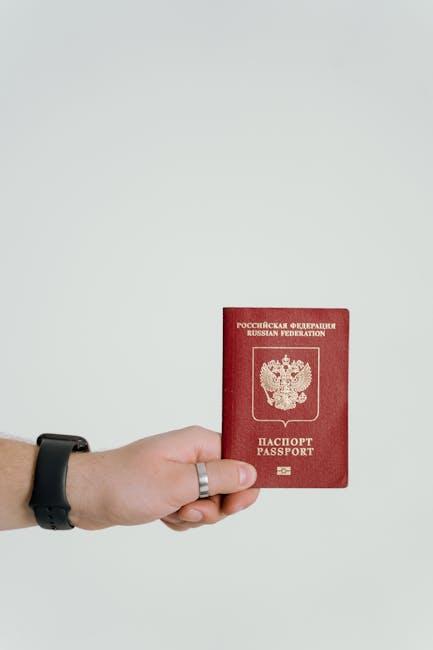
The Journey Begins Understanding Visa Options and Eligibility
Embarking on the path toward a new homeland is as exciting as it is intricate. One of the foremost steps is to pinpoint which visa category aligns best with your goals and qualifications. Various visas cater to different purposes—be it work, study, family reunification, or humanitarian reasons. Each category comes with its own set of eligibility criteria, application procedures, and timelines. Gaining clarity on these elements early on can streamline your journey and reduce the uncertainty often associated with immigration processes.
Key considerations often include:
- Purpose of stay: Is your aim professional advancement, educational pursuit, or joining family?
- Qualification requirements: Are there specific skills, degrees, or sponsorships needed?
- Financial criteria: Do you need to prove funds or employment offers?
- Duration and renewability: How long can you stay, and can the visa be extended or converted?
| Visa Type | Typical Eligibility | Primary Purpose |
|---|---|---|
| Work Visa | Job offer + Qualifications | Employment |
| Student Visa | Acceptance to Institution + Financial Proof | Education |
| Family Visa | Relationship Proof | Reunification |
| Refugee/Asylum | Proof of Persecution | Protection |
Preparing Your Documentation Tips for a Smooth Application Process
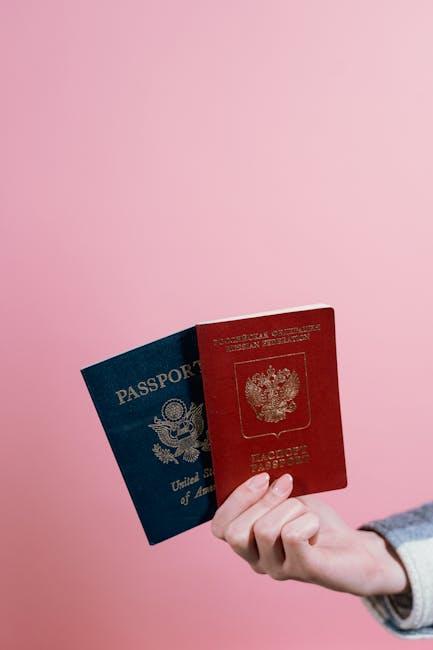
Ensuring you have all necessary documents prepared in advance can significantly reduce stress and delays during your immigration journey. Begin by meticulously organizing essential records such as passports, birth certificates, medical reports, and proof of employment or education. Utilize clear labeling and digital backups to keep everything easily accessible. A practical tip is to create a checklist highlighting not only the required documents but also any supporting materials that demonstrate your eligibility and intentions, such as letters of recommendation or language proficiency certificates.
Additionally, it’s wise to familiarize yourself with common document requirements and deadlines by consulting official immigration websites or speaking with accredited consultants. Keep track of any translations or notarizations needed, and always keep copies of submitted forms. Consider the following checklist to stay on top of your preparation:
- Original Documents: Passports, identification cards
- Supporting Evidence: Employment letters, financial statements
- Translations & Certifications: Apostilles, certified translations
- Application Forms: Completed and signed where required
- Digital Copies: Scanned files stored securely
Settling In Navigating Legal and Cultural Adjustments
Arriving in a new country often means embracing a mosaic of unfamiliar customs, languages, and daily routines. It’s essential to remain open-minded and patient as you navigate these changes. Building a supportive network can make this transition smoother, whether through local cultural organizations, language classes, or community groups. Embrace the opportunity to learn — from understanding the nuances of social etiquette to decoding unspoken workplace norms — all contribute to a richer, more confident experience abroad.
Simultaneously, legal adjustments can present a maze of paperwork and strict deadlines. Staying organized is key: keep track of important documents such as visas, work permits, and residency cards. Here’s a simple checklist to help guide your process:
- Verify visa status and expiration dates
- Register with local authorities if required
- Understand healthcare and insurance obligations
- Learn your rights and responsibilities as a resident
| Common Legal Task | Timeframe | Tips |
|---|---|---|
| Obtaining residency permit | Within 30 days of arrival | Arrange appointments early, carry all documents |
| Health insurance registration | Within 14 days | Check eligibility for local health services |
| Employment authorization | Depends on visa type | Consult official immigration site frequently |
Accessing Support Services Building a Community Abroad
Immigrating to a new country often brings a mix of excitement and uncertainty. To ease this transition, tapping into local support services can be a game-changer. From legal aid and language classes to health care guidance and employment advice, many communities offer resources tailored for newcomers. Engaging with these services not only provides essential practical help but also opens doors to social connections that transform a foreign land into a welcoming home. Identifying the right support networks early can significantly reduce stress and create a foundation for successful integration.
Building a community abroad goes beyond accessing services—it thrives on meaningful connections. Joining cultural associations, volunteer groups, or local meetups fosters a sense of belonging and shared experience. Consider these avenues to enrich your journey:
- Community Centers: hubs for cultural events and workshops.
- Online Forums and Social Media Groups: spaces to exchange advice and support.
- Religious and Cultural Organizations: offering familiar traditions and celebrations.
- Local Libraries or Educational Institutions: places to learn and meet diverse individuals.
Planning for the Future Rights, Responsibilities, and Opportunities
Embarking on a new journey involves more than just arriving; it requires a clear understanding of the rights you carry, the responsibilities you accept, and the opportunities laid out before you. As you plan for your future, recognizing your legal entitlements becomes paramount—such as access to education, healthcare, and employment—while also committing to abiding by local laws and cultural norms. Doing so not only safeguards your status but also fosters a sense of belonging in your new community.
To effectively navigate these waters, consider these vital steps:
- Stay Informed: Keep up with immigration policy updates relevant to your status.
- Seek Guidance: Consult legal experts or community organizations for personalized advice.
- Plan Ahead: Map out educational and career goals aligned with your permissions.
- Engage Locally: Build networks and participate in cultural exchanges to enrich your experience.
| Opportunity | Description | Key Responsibility |
|---|---|---|
| Education Access | Enroll in local schools or training programs | Maintain satisfactory academic progress |
| Employment | Apply for jobs aligned with your visa status | Respect labor laws and workplace ethics |
| Community Involvement | Participate in local events and volunteer groups | Foster mutual respect and cultural sensitivity |
The Conclusion
As we conclude this journey through the intricacies of the immigration process, it becomes clear that navigating new shores is as much about understanding pathways as it is about embracing change. Each step—from paperwork to approval—is a chapter in a larger story of hope and new beginnings. While challenges may arise, informed preparation and patience can transform the unknown into opportunity. In the end, crossing borders is not just a physical movement but a meaningful passage toward building new lives and expanding horizons.