In a world where borders blur and identities intertwine, the passport has evolved from a simple travel document into a symbol of complex allegiance and opportunity. Navigating the labyrinth of dual nationality rights presents both a gateway and a challenge, offering holders the unique privilege of belonging to two nations while grappling with the legal, cultural, and emotional nuances that come with it. This article embarks on a journey through the intricate landscape of dual citizenship, illuminating the rights, responsibilities, and realities that define the modern passport holder’s experience.
Understanding Dual Nationality and Its Legal Framework
Dual nationality, often viewed through a lens of opportunity and complexity, exists at the intersection of diverse legal systems. Each country frames its stance on multiple citizenships distinctively, influenced by history, culture, and international relations. The legal foundations governing dual nationality determine not only an individual’s rights but also their obligations, such as taxation, military service, and allegiance. Understanding these frameworks requires a deep dive into constitutional provisions, bilateral treaties, and international law principles, which collectively sculpt the citizenship landscape.
Key considerations in navigating dual nationality rights include:
- Recognition: Does the country legally recognize multiple citizenships or demand exclusive allegiance?
- Rights and Obligations: What civil, political, and social benefits are guaranteed to dual nationals?
- Restrictions: Are there limitations on roles such as government positions or property ownership?
- Conflict Resolution: How are legal conflicts resolved when the two nationalities have differing laws applicable to the same individual?
| Country | Dual Nationality Status | Major Legal Impact |
|---|---|---|
| Canada | Recognized | No loss of citizenship, full rights |
| Japan | Generally Not Allowed | Must choose by age 22 |
| France | Recognized | Equal political rights |
| Saudi Arabia | Not Recognized | Loss of citizenship if another passport is held |
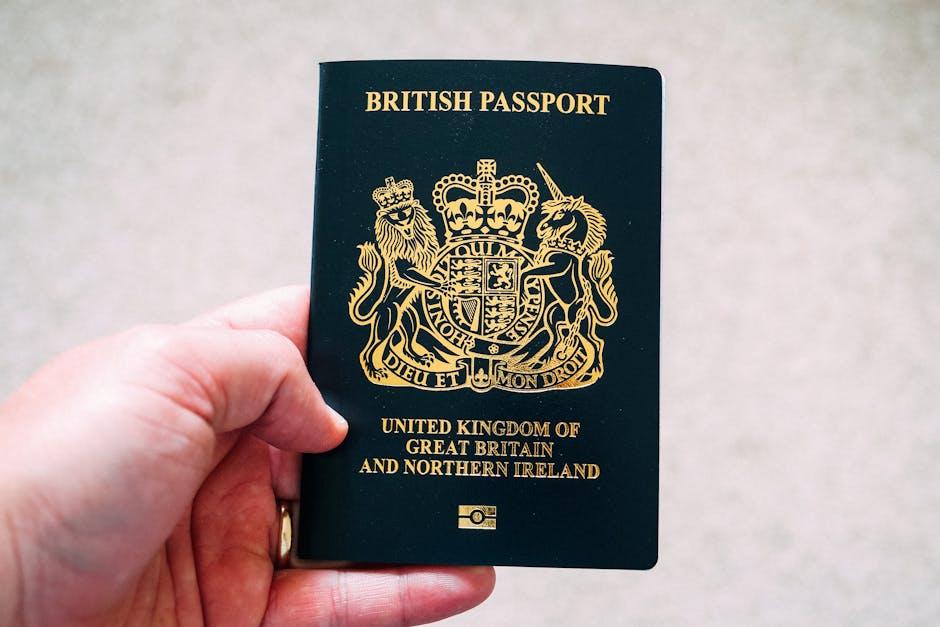
Challenges and Opportunities in Holding Multiple Passports
Juggling multiple passports often feels like holding a golden ticket, but it also brings a unique set of hurdles and possibilities. While these travel documents unlock doors to diverse cultures, work markets, and visa-free travels, they can also lead to tangled legal obligations, such as tax liabilities and mandatory military service. Navigating these complexities requires a deep understanding of each country’s policies, as some nations may restrict dual nationality or have stringent reporting rules. The challenge lies in harmonizing one’s allegiance to different countries without stumbling into bureaucratic or social pitfalls.
On the flip side, embracing multiple citizenships can be a gateway to unparalleled global mobility and security. Citizens with two or more passports can leverage their diverse national identities to access exclusive benefits, such as improved healthcare options, educational opportunities, and social safety nets. These advantages, however, come with the responsibility to be informed and compliant. Below is a snapshot of key aspects to consider when holding multiple citizenships:
- Legal nuances: Understanding the laws behind dual citizenship is crucial for avoiding conflicts.
- Tax obligations: Different countries have varying taxation rules on foreign income.
- Cultural identity: Balancing multiple heritages often shapes personal and social identity.
- Travel ease: Multiple passports can significantly reduce visa complexities.
| Country | Dual Citizenship Allowed | Tax Reporting Complexity | Mandatory Service |
|---|---|---|---|
| Canada | Yes | Moderate | No |
| Japan | No | Low | Yes |
| Brazil | Yes | Moderate | Yes |
| Germany | Limited | High | No |
Navigating Citizenship Laws Across Different Countries
Understanding the subtle nuances of citizenship laws requires more than just knowing which country’s passport to carry. Each nation crafts its policies based on a blend of history, politics, and security considerations. Some countries embrace dual nationality as a bridge to global opportunity, while others see it as a complex challenge that might dilute national allegiance. This patchwork of laws impacts everything from your ability to work, vote, or even serve in the military abroad.
When exploring dual nationality rights, keep in mind key factors that often vary:
- Eligibility Criteria: Birthright, naturalization, or descent can define who qualifies.
- Obligations: Taxation and mandatory military service can differ widely.
- Recognition: Some countries require exclusive allegiance, disallowing other nationalities.
| Country | Dual Nationality Allowed | Key Restriction |
|---|---|---|
| Canada | Yes | Requires Canadian residency for some rights |
| Japan | No | Must choose one nationality by age 22 |
| Germany | Limited | Dual nationality allowed with EU countries only |
| Brazil | Yes | No restrictions |
Practical Tips for Managing Dual Nationality Documentation
Managing documentation for dual nationality often feels like juggling two worlds. It’s crucial to stay organized by maintaining a dedicated folder—either digital or physical—where you store copies of all relevant documents such as passports, birth certificates, naturalization papers, and any correspondence with consulates. Regularly updating these files ensures you avoid last-minute scrambles. Additionally, setting reminders for passport renewals or important legal deadlines can save you from unexpected complications during international travel or official procedures.
Understanding the specific requirements of each country’s bureaucracy simplifies the process remarkably. Some nations require authentication or apostilles for foreign-issued documents, while others need translations by certified translators. Below is a quick reference guide to keep essential steps clear:
| Task | Tip | Frequency |
|---|---|---|
| Passport Renewal | Set reminders 6 months before expiration | Every 5-10 years |
| Document Authentication | Check embassy requirements annually | As needed |
| Translations | Use certified translators | When submitting documents |
- Keep digital backups: cloud storage offers access anytime, anywhere.
- Consult embassies regularly: stay updated on policy changes that could impact your documents.
- Professional assistance: consider legal advice if dual nationality laws intersect complexly.
Maximizing Benefits While Complying with International Regulations
Successfully leveraging the advantages of dual nationality requires more than just holding two passports; it demands a strategic understanding of how to respect and operate within each country’s legal framework. To avoid pitfalls, dual nationals should be thoroughly familiar with the key regulations such as tax obligations, military service requirements, and visa stipulations that vary widely from one jurisdiction to another. Maintaining compliance also means staying updated with changes in laws which can affect rights such as voting, work authorization, and property ownership. Consulting legal advisors or immigration experts periodically can ensure adherence to complex international regulations while still capitalizing on the benefits.
Tools like checklists and compliance calendars can be invaluable for dual nationals trying to juggle responsibilities across borders. Consider the following essential points:
- Tax filings: Reporting income to multiple tax authorities may be required.
- Residency renewals: Tracking deadlines for visa or passport renewals to avoid unintentional overstays.
- Legal obligations: Awareness of mandatory services such as jury duty or military conscription.
- Documentation: Consistent possession of up-to-date identification and travel documents.
| Country | Key Regulation | Compliance Tip |
|---|---|---|
| Country A | Annual Tax Declaration | File before April 30 every year |
| Country B | Military Service | Deferment available upon residency proof |
| Country C | Passport Renewal | Renew 6 months before expiry date |
Closing Remarks
As the world grows increasingly interconnected, the journey of dual nationality rights becomes ever more intricate and fascinating. Passports, those small but powerful documents, symbolize more than just travel—they represent identity, opportunity, and sometimes complex legal landscapes. Navigating this terrain requires awareness, thoughtful planning, and an understanding of the delicate balances between nations. Ultimately, embracing dual nationality can open doors to new horizons, enriching lives in ways that transcend borders and redefine the meaning of belonging.