In an increasingly interconnected world, the concept of identity is evolving beyond borders, giving rise to a phenomenon both empowering and complex: dual citizenship. Holding more than one nationality opens doors to diverse cultures, unique opportunities, and a broader sense of belonging. Yet, it also brings with it a delicate dance of responsibilities, legal intricacies, and sometimes conflicting loyalties. Navigating this balance is no simple feat. This article delves into the realities of dual citizenship, exploring its benefits and challenges through a lens that neither romanticizes nor condemns, but seeks to understand the nuanced experience of living between two nations.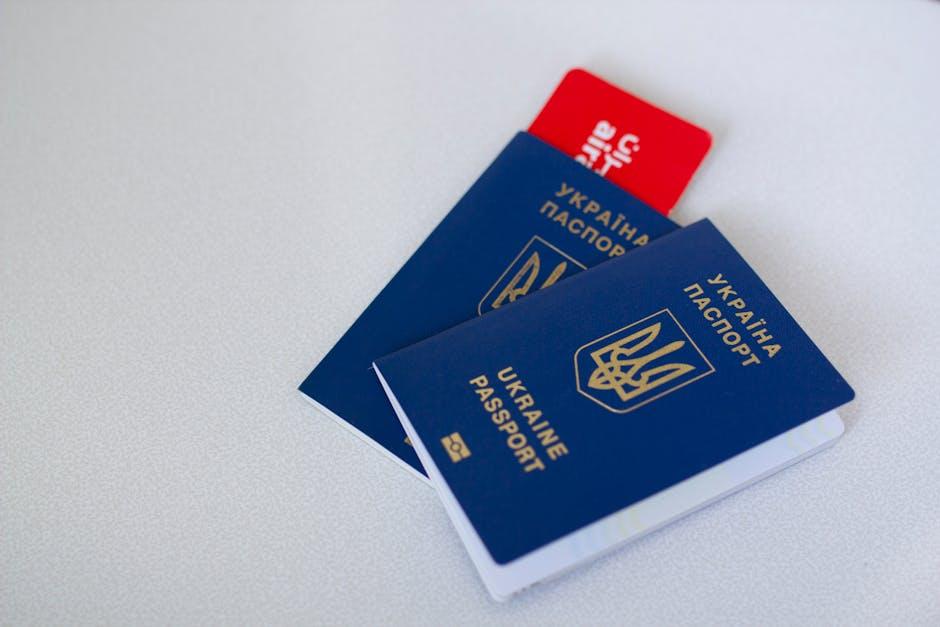
Understanding Dual Citizenship in a Globalized World
In today’s interconnected world, holding citizenship in two or more countries is no longer just a legal curiosity—it’s a lived experience for millions. Dual citizenship allows individuals to embrace multiple cultural identities and access diverse opportunities, but it also presents unique challenges. Navigating the expectations of different nations can be complex, requiring careful consideration of loyalty, legal obligations, and international diplomacy. While dual citizens enjoy expanded rights such as voting in multiple countries and easier travel, they must remain aware of potential conflicts including taxation, military service, and employment restrictions.
Key aspects to consider when embracing dual citizenship include:
- Legal complexities: Different countries have varying rules on allegiance and rights, which may affect one’s status.
- Civic responsibilities: Dual citizens often must navigate multiple tax codes, military obligations, and civic duties simultaneously.
- Cultural integration: Balancing identities may foster a richer worldview but can also bring about challenges in social acceptance.
| Country | Dual Citizenship Allowed? | Notable Restrictions |
|---|---|---|
| Canada | Yes | None on dual allegiance |
| Japan | No | Must choose one by age 22 |
| United States | Yes | Tax filing requirements |
Legal Complexities and Rights Across Borders
When holding citizenship in more than one country, individuals often encounter a maze of legal intricacies that vary widely from nation to nation. These complexities can encompass obligations such as dual taxation, compulsory military service, and differing electoral rights. For example, some countries may require citizens abroad to maintain specific registrations, while others might restrict the ability to serve in public office if dual nationality is held. Understanding these nuances is crucial to avoid unexpected penalties or conflicts that arise from misaligned national laws.
Key areas to be aware of include:
- Tax responsibilities and treaty benefits
- Legal status and residency requirements
- Inheritance laws and property ownership restrictions
- Civic duties such as jury service or conscription
- Rights to social services and healthcare access
| Country | Dual Citizenship Allowed? | Notable Restriction |
|---|---|---|
| Country A | Yes | Mandatory military service |
| Country B | No | Citizens must renounce other nationality |
| Country C | Yes | Limited voting rights abroad |
Cultural Identity and Personal Belonging
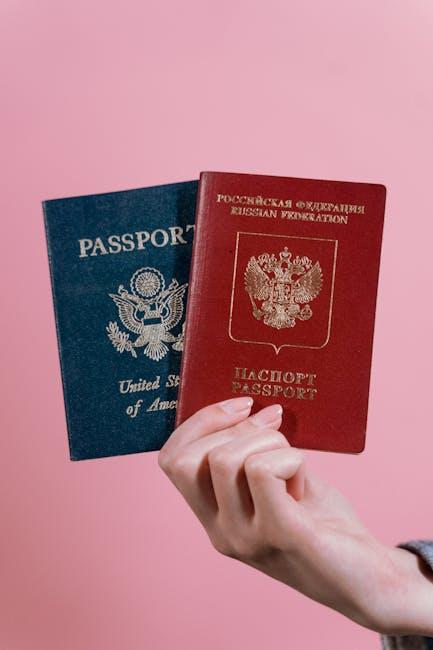
Embracing two cultural backgrounds often feels like walking a tightrope—each step demands awareness and respect for distinct traditions, languages, and social nuances. For many dual citizens, this dynamic is more than juggling two passports; it’s a continuous exploration of where their heart truly belongs. The coexistence of different customs can enrich personal identity, yet sometimes sparks moments of cultural dissonance, where belonging is not easily defined by geography or heritage alone.
In the mosaic of dual citizenship, individuals often find comfort in blending elements from both worlds, crafting unique life experiences that reflect their hybrid identity. These might include:
- Celebrating holidays from both cultures with equal passion
- Speaking multiple languages fluently, alternating them contextually
- Adapting social norms to bridge expectations across borders
- Navigating familial ties rooted in varied cultural narratives
| Aspect | Common Dual Identity Experience |
|---|---|
| Language | Mixing idioms, code-switching naturally |
| Family | Balancing traditions during celebrations |
| Community | Feeling like an insider and outsider simultaneously |
Financial Implications and Tax Responsibilities
Holding citizenship in two countries means navigating a complex financial landscape. Dual citizens often face unique challenges such as managing multiple tax filings, currency exchanges, and cross-border investments. It’s essential to understand how each country’s tax laws interact, especially regarding income reporting and possible double taxation. Many nations have tax treaties to prevent being taxed twice on the same income, but keeping track of deadlines, documentation, and residency requirements requires diligent financial planning.
Consider the following financial responsibilities that often come with dual citizenship:
- Annual tax declarations in both countries
- Declaration of foreign assets and bank accounts
- Potential social security contributions or pension plans in both jurisdictions
- Understanding inheritance and estate tax rules in each nation
| Country | Key Tax Requirement | Typical Filing Deadline |
|---|---|---|
| Country A | Worldwide income reporting | April 30 |
| Country B | Foreign bank account disclosure | June 15 |
Practical Tips for Managing Dual Citizenship Effectively
Effectively handling dual citizenship demands a clear understanding of your rights and responsibilities in both countries. Regularly updating your knowledge on legal obligations, such as tax filing requirements and voting rights, can prevent potential complications. Maintaining proper documentation, like passports and national ID cards, ensures smooth travel and identification processes. It’s also wise to establish a system that tracks important expiration dates and deadlines to avoid last-minute rushes or penalties.
Communication plays a pivotal role in managing dual citizenship smoothly. Building a reliable network of contacts—legal advisors, consular services, and fellow dual citizens—can offer vital support and insights. Additionally, embracing cultural ties, while respecting the legal frameworks of both nations, cultivates a balanced identity. Here’s a quick comparison table to help prioritize essential tasks:
| Task | Priority | Benefit |
|---|---|---|
| Update travel documents | High | Seamless border crossing |
| Understand tax regulations | High | Avoid legal penalties |
| Maintain cultural connections | Medium | Stronger personal identity |
| Stay active in consular communications | Medium | Access timely support |
To Conclude
In the intricate dance of dual citizenship, individuals find themselves weaving together the threads of identity, opportunity, and allegiance. It is a journey marked by both promise and complexity—a delicate balancing act that requires thoughtful navigation of legal landscapes and personal priorities. As the world grows ever more connected, the realities of holding two passports remind us that belonging is not always singular, but often a mosaic of experiences and loyalties. Embracing this duality with awareness and adaptability can transform challenges into a unique vantage point, enriching not just the lives of those who hold multiple citizenships, but the global community they help to shape.