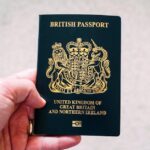
In a world where borders are increasingly fluid and identities more multifaceted, the concept of dual national citizenship has emerged as both a blessing and a puzzle. It promises expanded opportunities and a richer sense of belonging, yet it also beckons with a tangle of legal, cultural, and personal complexities. Navigating this intricate landscape requires more than just understanding paperwork—it demands a thoughtful exploration of rights, responsibilities, and the often unpredictable intersections between two nations. This article sets out to illuminate the nuanced realities of holding dual citizenship, guiding readers through the benefits, challenges, and subtle intricacies that define this modern phenomenon.
Understanding the Legal Landscape of Dual National Citizenship
When it comes to holding citizenship in two countries simultaneously, the legal frameworks governing dual nationality vary wildly across the globe. Some countries fully embrace this status, recognizing the diverse advantages it can offer individuals—from enhanced travel freedoms to broader employment opportunities. In contrast, others impose strict regulations or even outright prohibit dual citizenship, often citing concerns about allegiance and national security. Understanding these distinctions is crucial for anyone considering or already managing dual citizenship.
Key aspects to consider in this legal maze include:
- Residency requirements: Many nations require physical presence or proof of continuous ties to maintain dual nationality.
- Military obligations: Certain countries may call dual nationals for compulsory service, regardless of their residence.
- Tax implications: Dual citizens can face complex tax responsibilities that differ significantly from single citizenship.
- Renunciation policies: Some states demand formal renunciation of previous citizenships before granting their own.
| Country | Dual Citizenship Policy | Special Notes |
|---|---|---|
| Canada | Permitted | Allows multiple citizenships without renunciation |
| Japan | Restricted | Requires choice of one citizenship before age 22 |
| Germany | Conditional | Permits dual citizenship mainly within EU or with special permission |
| India | Prohibited | Offers Overseas Citizenship, not dual citizenship |

Balancing Rights and Responsibilities Across Borders
Holding citizenship in two countries invites an intricate dance between privileges and duties that transcends borders. Dual nationals often enjoy expanded access to services, such as healthcare, education, and job markets, which enrich their personal and professional lives. Yet, this freedom comes with the necessity to respect and abide by the laws of both nations—often requiring vigilance to avoid conflicts in legal obligations, like taxation or military service. Recognizing this duality is key to fostering a harmonious relationship with both homelands.
The world of dual citizenship also demands a refined understanding of how rights and responsibilities interlace differently across countries. Consider the following contrasting examples:
| Aspect | Country A | Country B |
|---|---|---|
| Voting Rights | Allowed in local & national elections | Only national elections permitted |
| Military Service | Mandatory for males aged 18-25 | Voluntary service available |
| Taxation | Based on residency | Citizens taxed on worldwide income |
Essentially, the balance between rights and responsibilities is a personal navigation through complex legal frameworks and cultural expectations. Developing awareness through informed research, consultations, and proactive engagement can empower dual citizens to honor their ties without compromising their integrity or legal standing.
Financial Implications and Taxation Challenges to Consider
Balancing finances between two countries often means walking a tightrope of regulations and reporting requirements. Dual nationals frequently encounter complexities such as foreign account reporting (FATCA) mandates, currency exchange fluctuations, and varying retirement contribution limits. The challenge is not merely about compliance but also strategic planning to avoid double taxation while optimizing tax benefits available in each jurisdiction.
Understanding treaties and tax agreements is crucial. Without this knowledge, many find themselves subject to penalties or unexpected tax obligations. Here are a few vital considerations to keep in mind:
- Double Taxation Treaties: These can mitigate overlapping tax burdens but vary widely by country.
- Residency Rules: Different nations have unique criteria to establish tax residency, affecting your liabilities.
- Reporting Obligations: Regular disclosures of global income and assets might be mandatory, even if no tax is due.
| Tax Aspect | Country A | Country B |
|---|---|---|
| Income Tax Rate | 25% | 30% |
| Capital Gains Tax | 15% | 0% |
| Inheritance Tax | 10% | None |
Strategies for Managing Identity and Cultural Connections
Embracing dual nationality often means balancing a rich tapestry of cultural influences, which can sometimes create internal conflicts or a sense of divided loyalty. One effective approach is to actively engage in cultural exchange activities that allow you to celebrate both heritages without feeling you must choose one over the other. Regular participation in festivals, language classes, and community events can deepen your understanding and appreciation of each culture’s unique values. It is equally important to communicate openly with family and friends about your experiences, helping them understand the dual perspectives that shape your worldview.
Developing a personal toolkit for navigating identity can also make a profound difference. Consider the following strategies to foster a resilient and integrated sense of self:
- Journaling: Reflect on your experiences and how your dual identity impacts your daily life.
- Network Building: Connect with other dual citizens for shared experiences and mutual support.
- Cross-cultural Mentorship: Seek mentors who have successfully navigated similar identity complexities.
- Flexible Boundaries: Allow fluidity in cultural practices to adapt to different social settings.
| Challenge | Strategy | Benefit |
|---|---|---|
| Identity Confusion | Reflective Journaling | Clarifies personal values |
| Social Alienation | Building Diverse Networks | Enhances belonging |
| Cultural Contradictions | Flexible Boundaries | Reduces internal conflict |
Practical Tips for Securing Travel and Residency Benefits
When aiming to secure the full spectrum of travel and residency benefits, organization is key. Start by maintaining clear and accessible records of all citizenship and residency documents. Digital backups paired with physical copies ensure you’re prepared for unexpected situations like lost or stolen paperwork. Additionally, familiarize yourself with visa waiver agreements and bilateral treaties that might apply. This knowledge helps you leverage benefits such as extended visa-free stays or simplified application processes, reducing both time and stress during travel.
Consider these actionable steps to enhance your mobility and residency security:
- Enroll in consular services for automatic updates and emergency assistance.
- Plan renewals and applications well in advance to avoid last-minute complications.
- Utilize trusted local legal advisors to navigate residency requirements that often change.
- Keep abreast of dual citizenship laws in all relevant countries, as regulations can shift unexpectedly.
| Tip | Benefit |
|---|---|
| Consular Registration | Quick access to emergency services abroad |
| Early Renewal | Smooth visa and residency processing with no travel interruptions |
| Legal Consultation | Stay compliant with evolving local laws |
| Policy Updates | Maximize benefits through informed decisions |
In Summary
In the intricate dance of dual national citizenship, every step carries layers of opportunity and responsibility. As borders blur and identities intertwine, navigating this complex terrain requires more than just paperwork—it calls for awareness, foresight, and a deep understanding of the legal and cultural landscapes involved. Whether driven by heritage, opportunity, or personal choice, embracing dual nationality is a journey that reshapes notions of belonging and broadens horizons. Ultimately, while the path may be nuanced and sometimes challenging, it offers a unique bridge between worlds—a testament to the evolving nature of identity in our interconnected age.