In an increasingly interconnected world, the concept of identity has taken on new layers of complexity. Multiple citizenship, once a niche legal status, is becoming a common reality for millions navigating the crossroads of globalization, migration, and heritage. This phenomenon opens doors to diverse opportunities—but it also brings intricate challenges that blend culture, law, and allegiance. As individuals and governments grapple with the implications of holding more than one nationality, understanding the multifaceted nature of multiple citizenship is crucial. This article delves into the evolving landscape of dual, triple, or even multiple citizenships, exploring what it means to belong to more than one nation in today’s global society.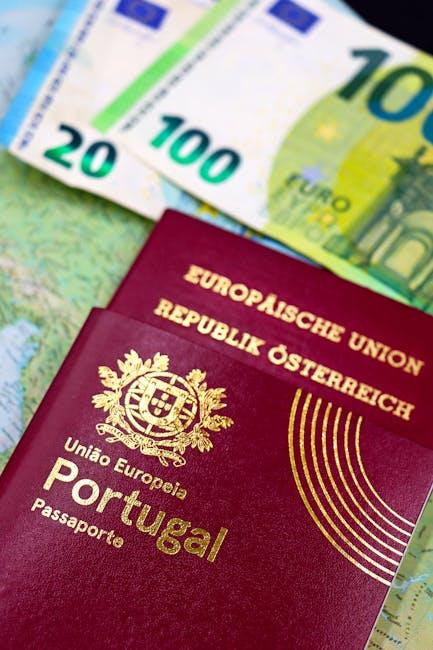
Understanding the Legal Landscape Across Different Nations
Every country approaches multiple citizenship with its own distinct set of rules and cultural perspectives, turning the pursuit of dual or multiple nationalities into a complex legal puzzle. Some nations embrace dual citizenship openly, allowing individuals to hold passports from multiple countries without issue, while others impose stringent restrictions or forbid it altogether. These legal frameworks are often intertwined with concerns about national security, tax responsibilities, and civic duties, which means that what is permissible in one jurisdiction may be illegal or heavily regulated in another.
To make sense of this intricate legal terrain, it’s essential to consider not only the formal regulations but also the practical implications such as voting rights, conscription, and inheritance laws. Below is a simplified comparison of citizenship policies in select countries:
| Country | Allows Dual Citizenship | Key Restrictions |
|---|---|---|
| Canada | Yes | Must declare all citizenships for tax |
| Japan | No generally | Must renounce one by age 22 |
| Germany | Limited | Allowed mainly within EU |
| South Africa | Yes | Requires permission before acquiring new citizenship |
| India | No | Overseas Citizenship possible, but not full dual citizenship |
Delving deeper into these distinctions can empower individuals to make informed decisions about their personal and legal identities. Whether for economic opportunities, family ties, or global mobility, knowing how each country’s laws interact is critical in avoiding unintended consequences and ensuring compliance with all relevant regulations.

Balancing Rights and Responsibilities in Dual and Multiple Citizenship
Holding citizenship in more than one country opens a gateway to a world of opportunities, yet it also demands a delicate dance between privileges and duties. Individuals must navigate not only the legal frameworks of different nations but also the cultural and societal expectations attached to each. Respecting laws on taxation, military service, and voting rights becomes essential to maintain harmony and avoid conflicts that can arise from overlapping responsibilities. Additionally, balancing dual allegiances requires an awareness of how actions in one country might impact legal standing or reputation in another.
Understanding this intricate balance is easier when breaking down key responsibilities into manageable categories, such as:
- Legal Compliance: Adhering to civil duties and obligations set by every citizenship held.
- Civic Engagement: Participating in democratic processes or community services responsibly.
- Financial Accountability: Managing taxes and economic responsibilities without falling into legal gray zones.
| Citizenship Aspect | Common Responsibilities | Potential Conflicts |
|---|---|---|
| Voting Rights | Participate in elections | Dual voting restrictions |
| Military Service | Mandatory service, if applicable | Conflicting obligations |
| Taxation | File returns, pay taxes | Double taxation risks |
Strategies for Managing Tax Obligations and Financial Reporting
Juggling tax obligations across multiple jurisdictions demands a proactive approach. It’s essential to understand the tax residency rules of each country involved, as these can significantly impact your liability. Establishing a central system to monitor deadlines, required forms, and applicable treaties can prevent costly errors and double taxation. Consulting with cross-border tax experts also ensures compliance while uncovering potential benefits hidden within tax treaties or exemption clauses.
On the financial reporting front, transparency and precision are crucial. Utilizing modern accounting software capable of multi-currency reporting and consolidation reduces complexity and enhances accuracy. Consider the following tactics to streamline this process:
- Regularly reconcile accounts from different countries to avoid discrepancies
- Maintain organized documentation tailored to each jurisdiction’s requirements
- Implement an internal audit schedule focusing on compliance and financial integrity
| Key Focus | Tax Strategy | Reporting Action |
|---|---|---|
| Double Taxation | Leverage Tax Treaties | Document treaty benefits clearly |
| Foreign Income | Accurate Currency Conversion | Standardize exchange rates monthly |
| Compliance Deadlines | Centralized Calendar | Automated alerts and reminders |
Navigating Travel and Residency Challenges with Multiple Passports
Managing the logistics of travel when holding multiple passports can often feel like piecing together a complex puzzle. Each passport carries its own set of visa requirements, entry restrictions, and validity periods, which can sometimes conflict or complicate international travel. For instance, travelers may need to decide which passport to present at immigration or which visa to obtain, based on destination rules and personal convenience. Knowing these nuances not only maximizes mobility but also helps avoid unexpected detentions or travel delays. Awareness and detailed preparation are key:
- Check entry and exit regulations for each passport before planning a trip.
- Be aware of how countries treat multiple citizenships regarding consular protection.
- Understand the tax implications tied to residency and citizenship status variations.
Residency challenges also multiply with dual or multiple citizenships, as legal obligations shift depending on where you choose to live or invest time. Laws surrounding taxation, military service, or property ownership can vary dramatically, sometimes leading to complex compliance requirements. Developing a clear strategy for your primary residence and understanding the rights and responsibilities tied to each citizenship can substantially ease this burden. Below is a simplified comparison to illustrate some common factors affecting multi-citizens:
| Aspect | Country A | Country B | Country C |
|---|---|---|---|
| Visa-Free Travel | 150+ countries | 100+ countries | 130+ countries |
| Tax Residency | Worldwide income taxed | Residency-based taxation | Territorial taxation only |
| Military Service | Mandatory | Optional | None |
Practical Tips for Maintaining Compliance and Avoiding Pitfalls
Staying ahead in the complex landscape of multiple citizenship requires meticulous attention to legal obligations across all involved countries. Regularly updating yourself on the changing laws is crucial, as regulations can shift with political climates. Establish a reliable system for tracking tax requirements, reporting mandates, and residency rules to avoid unexpected penalties. Utilizing digital calendars synced with reminders for important deadlines, such as annual declarations or renewal applications, can save you from costly oversights. Remember, compliance isn’t just about paperwork—it’s about understanding the nuances that might affect your rights and responsibilities, including military service or inheritance laws.
Building a strong support network also plays a pivotal role in smooth navigation. Surround yourself with knowledgeable professionals and fellow dual nationals who can offer guidance and share firsthand experiences. Consider keeping a concise reference checklist like the one below to ensure no detail slips through the cracks:
| Key Focus | Action Step | Frequency |
|---|---|---|
| Tax Obligations | Consult cross-border tax specialist | Annually |
| Passport Validity | Check expiration date | Every 5 years |
| Legal Updates | Review citizenship laws | Biannually |
| Residency Status | Confirm visa or resident permit | Before travel |
In Retrospect
In the ever-evolving landscape of global identity, multiple citizenship stands as both a bridge and a barrier—offering unprecedented opportunities while weaving intricate legal and emotional tapestries. As borders blur and allegiances multiply, navigating this complex world demands not only awareness but a thoughtful balance between rights and responsibilities. Ultimately, embracing the fluidity of citizenship invites us to rethink belonging itself, challenging old definitions and opening doors to new possibilities in an interconnected age.