In a world where borders blur and identities intertwine, the concept of citizenship has evolved into a multifaceted tapestry, reflecting the realities of a globalized age. Dual national citizenship, once a rare legal anomaly, has become an increasingly common status embraced by millions. Yet, beneath its appealing promise of broad horizons and expanded rights lies a labyrinth of legal, social, and political complexities. Navigating this intricate terrain requires more than just understanding laws—it demands a nuanced appreciation of identity, allegiance, and opportunity in today’s interconnected society. This article explores the delicate balance and challenges faced by dual citizens as they chart their course through the evolving landscape of national belonging.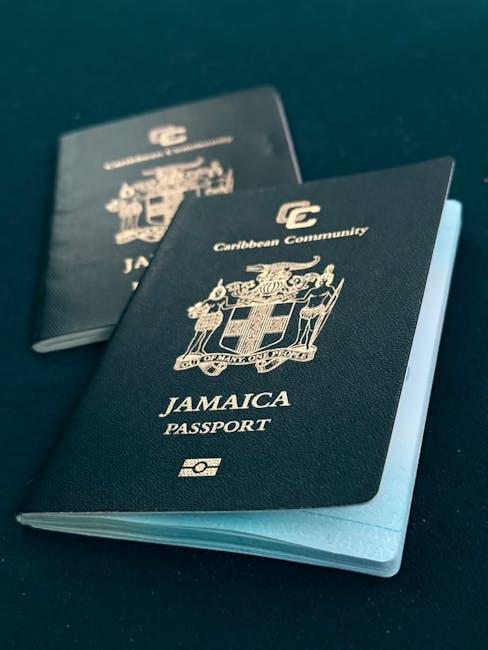
Understanding the Legal Landscape of Dual National Citizenship
Modern citizenship laws reflect a tapestry of historical, political, and social factors that shape how countries view and govern dual national citizenship. While some nations embrace the idea of multiple affiliations, recognizing the global interconnectedness of their citizens, others enforce strict policies that require an individual to relinquish previous citizenships. These divergent stances create a legal landscape that is as varied as it is complex. Understanding these nuances is essential, especially as the implications extend beyond travel freedom to tax obligations, political rights, and even military service requirements.
When navigating the rules around dual nationality, it’s important to note several factors that can dramatically influence a person’s rights and duties:
- Recognition of dual citizenship: Does both countries recognize or allow multiple citizenships?
- Automatic loss or retention: Can acquiring a new nationality cause automatic loss of the original one?
- Legal protections: What consular support is available when facing legal issues abroad?
- Obligations: Are there mandatory military services or tax duties in both countries?
| Country | Dual Citizenship Allowed | Military Service Requirement |
|---|---|---|
| Canada | Yes | No |
| Japan | No | Yes |
| Germany | Limited | Optional |
| Australia | Yes | No |

Balancing Rights and Responsibilities Across Borders
When holding citizenship in more than one country, individuals find themselves at a unique crossroads where legal rights and civic duties intersect. The challenge lies in balancing privileges such as voting in multiple jurisdictions or accessing social benefits, alongside responsibilities like paying taxes or complying with diverse legal systems. This dual allegiance often demands a nuanced understanding of both countries’ expectations, ensuring that one’s actions honor the laws and cultural norms without conflict.
To navigate this intricate landscape effectively, here are some essential considerations:
- Tax Obligations: Clarify how dual citizenship impacts income reporting and payment to avoid legal penalties.
- Military Service: Determine if compulsory service applies in either country and plan accordingly.
- Voting Rights: Understand where you can legally cast your vote and the implications of participating in elections abroad.
- Legal Conflicts: Seek guidance on laws that may contradict, such as differing stances on property ownership or freedom of movement.
| Responsibility | Country A | Country B |
|---|---|---|
| Tax Filing | Annual | Biannual |
| Jury Duty | Mandatory | Exempt |
| Military Service | Voluntary | Compulsory |
| Voting Rights | Local & National | National only |
Financial Implications and Tax Considerations for Dual Citizens
Holding citizenship in two countries often means navigating a maze of financial obligations and tax regulations. Dual citizens must be keenly aware of their reporting duties to both governments, which can include disclosing foreign bank accounts, investments, and income sources. Failure to comply with these requirements might result in steep penalties or legal complications. For instance, some dual citizens find themselves subject to double taxation, where income is taxed twice by both countries, though most governments offer treaties or credits to mitigate this effect.
Understanding the differences in tax systems is crucial for strategic financial planning. Below is a simplified comparison illustrating common tax considerations for dual citizens in two typical scenarios:
| Tax Aspect | Country A | Country B |
|---|---|---|
| Tax Basis | Worldwide income | Residence-based |
| Annual Tax Filing | Yes, mandatory | Only if income exceeds threshold |
| Foreign Tax Credit | Available | Partial or none |
| Reporting Foreign Assets | Required | Optional |
Dual citizens are advised to consult with tax professionals who specialize in cross-border taxation to ensure compliance and optimize their financial health. Moreover, staying informed about updates in tax laws and bilateral agreements can significantly ease the financial burden and prevent unforeseen liabilities.
Strategies for Managing Identity and Cultural Integration
Balancing the nuances of dual national citizenship requires a thoughtful approach to preserving one’s cultural heritage while embracing new societal norms. Individuals can foster this delicate balance by actively engaging in both communities—participating in cultural festivals, learning and teaching languages, and maintaining family traditions alongside adopting local customs. Prioritizing open-mindedness and empathy allows a dual citizen to fluidly navigate these intertwined identities without feeling the pressure to choose one over the other.
Embracing practical strategies enhances this integration, turning potential cultural conflicts into opportunities for growth. Consider the benefits of structured social support networks, such as bicultural community groups or mentorship programs, that offer shared experiences and guidance. Reflexive self-awareness is just as vital, helping individuals recognize and manage moments of cultural dissonance. The following table highlights key strategies useful in managing dual identity integration:
| Strategy | Application | Outcome |
|---|---|---|
| Active Cultural Participation | Attend cultural events from both nations | Strengthened cultural ties and inclusivity |
| Language Preservation | Practice bilingual communication at home | Enhanced identity coherence and cognitive flexibility |
| Community Networking | Join bicultural clubs and support groups | Expanded social connections and support |
| Self-Reflection | Journaling or discussions on cultural experiences | Improved emotional balance and identity clarity |
Practical Tips for Navigating Travel and Residency Challenges
Managing the intricacies of dual national citizenship requires more than just understanding legal frameworks; it demands proactive planning and informed decision-making. Start by thoroughly researching both countries’ regulations regarding passports, visas, and residency permits. Always keep your documents up to date, and maintain digital and physical copies of critical paperwork. To streamline travel, consider enrolling in trusted traveler programs where available, and stay updated on the latest travel advisories from both nations. By organizing your documents and anticipating bureaucratic hurdles, you reduce stress and ensure smoother border crossings.
Here are some practical strategies to ease the challenges:
- Keep separate folders for each nationality’s documents for easy access.
- Understand tax obligations and social security benefits in both countries.
- Consult with immigration experts to clarify residency rights and dual citizenship laws.
- Use apps or tools that track your passport expirations and visa requirements.
| Aspect | Tip |
|---|---|
| Residency Permits | Renew timely to avoid loss of residency rights. |
| Travel Planning | Check visa requirements for all relevant countries in advance. |
| Documents | Carry certified translations for important documents. |
In Conclusion
In the intricate dance of dual nationality, individuals weave together threads of identity, opportunity, and responsibility. As borders blur and global connections deepen, navigating the complexities of holding two citizenships requires a careful balance of legal awareness and personal reflection. Whether driven by heritage, aspiration, or circumstance, this dual existence offers a unique perspective on belonging and freedom. Ultimately, embracing the challenges and nuances of dual citizenship invites us to rethink the very nature of nationality in a world that is increasingly interconnected yet profoundly diverse.