In an increasingly interconnected world, the concept of citizenship is evolving beyond traditional boundaries. Joint citizenship, once a rarity, is now emerging as a complex and multifaceted phenomenon, reflecting the fluidity of identity and the mobility of people across nations. As more individuals find themselves legally recognized by two countries simultaneously, they encounter a unique landscape full of both promising opportunities and intricate challenges. This article embarks on a journey through the terrain of joint citizenship, exploring how it reshapes notions of belonging, legal obligations, and global participation—inviting readers to consider what it truly means to hold allegiance in a divided yet united world.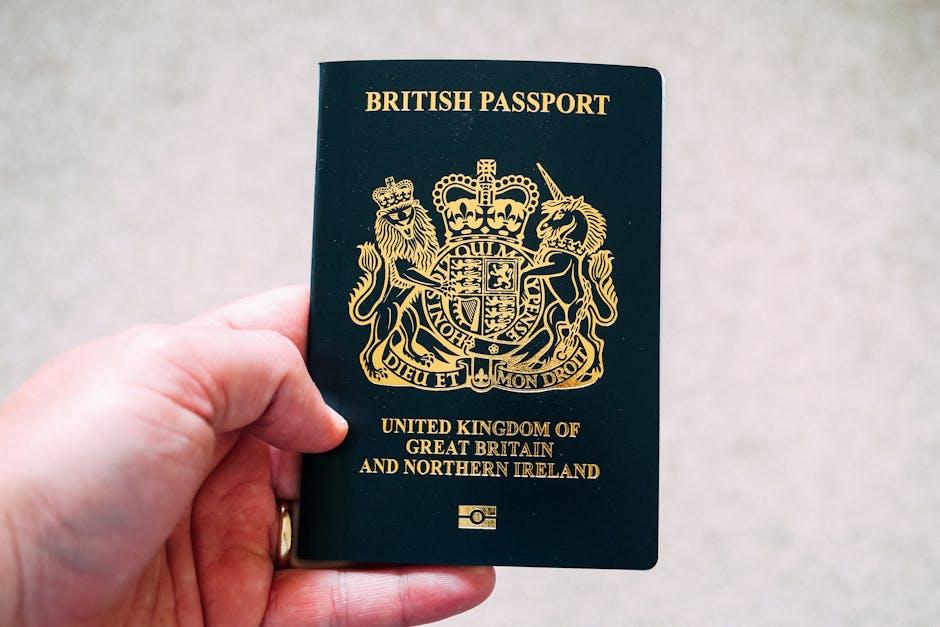
Understanding the Foundations of Joint Citizenship and Its Global Rise
At its core, joint citizenship represents a transformative evolution in the concept of national allegiance. Traditionally, citizenship was a singular, exclusive identity tethered to one nation-state. However, the modern globalized world has witnessed a dynamic shift where individuals increasingly embrace multiple national affiliations, offering them enhanced mobility, broader cultural ties, and expanded socio-economic prospects. This development is propelled by factors such as transnational families, international employment opportunities, and the desire for diverse legal protections. As a result, joint citizenship is no longer a rarity but a burgeoning norm that reflects our interconnected realities.
Several key foundations underpin this rising trend:
- Legal Adaptation: Many countries have reformed their laws to allow dual or multiple citizenships, facilitating more flexible national identities.
- Economic Incentives: Access to diverse economies and markets encourages individuals to maintain multiple national ties.
- Cultural Integration: Increasing intercultural marriages and diasporic communities foster blended heritage and plural citizenship.
| Factor | Impact on Joint Citizenship |
|---|---|
| Global Mobility | Enhanced cross-border travel and residency options |
| Political Stability | Preference for citizenship in politically stable countries |
| Digital Connectivity | Fosters international networks and identity fluidity |

Exploring the Legal Complexities and Rights Associated with Dual Nationality
Holding dual nationality often means navigating a labyrinth of legal nuances that vary significantly from one country to another. The rights and obligations attached to each citizenship can sometimes conflict, leading to complex legal scenarios. For instance, military conscription, tax liabilities, and inheritance laws may differ drastically, requiring dual nationals to be vigilant and well-informed. Moreover, some nations do not recognize dual citizenship, thus potentially exposing individuals to legal penalties or loss of nationality. Understanding the intricacies requires a careful examination of bilateral agreements and local regulations, which are not always harmonized or straightforward.
The spectrum of rights secured by dual nationals can also bring distinct benefits that enhance global mobility and civic participation. These often include:
- Access to social services and education in both countries
- Voting rights in multiple political systems
- Property ownership and business opportunities beyond a single national boundary
Yet, it is essential to be aware of legal responsibilities that accompany these rights. To illustrate, consider this simplified comparison between two hypothetical countries:
| Aspect | Country A | Country B |
|---|---|---|
| Taxation | Worldwide income taxed | Tax on local income only |
| Military Service | Mandatory for males 18–25 | Voluntary |
| Citizenship Retention | Allowed with no restrictions | Must renounce other citizenship |
Such contrasts highlight how dual nationality can simultaneously empower and complicate an individual’s legal standing.
Weighing the Socioeconomic Benefits and Cultural Enrichment Opportunities
Joint citizenship opens a dynamic avenue for individuals and communities to tap into a diverse set of socioeconomic advantages. By holding multiple passports, citizens can access broader job markets, engage in more flexible trade opportunities, and enjoy diverse educational benefits. These advantages often translate into increased financial stability and mobility, while simultaneously improving an individual’s ability to contribute economically in more than one country. Furthermore, governments tend to benefit from an influx of skillful, globally minded citizens who drive innovation and stimulate local economies.
Beyond economic gains, dual citizenship fosters vibrant cultural enrichment on both personal and societal levels. It encourages deeper understanding and appreciation of multiple traditions, languages, and histories—breeding greater empathy and global awareness. This cultural amalgamation also promotes the exchange of ideas and artistic collaboration, enriching communities with fresh perspectives. Consider the key benefits below:
- Expanded cultural networks: Connecting people beyond borders encourages multicultural friendships and partnerships.
- Enriched identity: Dual citizens often develop a layered sense of self, drawing strength and pride from varied heritages.
- Innovative fusion: Combining traditions can spark new creative expressions in art, cuisine, music, and festivals.
| Socioeconomic Benefit | Cultural Opportunity |
|---|---|
| Access to international jobs | Bilingual and multilingual fluency |
| Cross-border entrepreneurship | Blended holiday traditions |
| Taxation and investment diversification | Artistic collaborations spanning nations |
| Enhanced educational opportunities | Cultural festivals promoting inclusion |
Addressing the Challenges of Dual Allegiances and Civic Responsibilities
Balancing dual allegiances requires individuals to navigate a complex web of civic duties and cultural ties, often leading to a unique set of challenges. Conflicting legal obligations and loyalty expectations can create tension, especially during times of political or diplomatic strife. Citizens with joint affiliations must remain vigilant in understanding the nuances of both legal systems to avoid inadvertent violations. Moreover, social perceptions may impose additional pressure, as communities sometimes question dual citizens’ commitment to one nation over another, complicating their sense of identity and belonging.
To effectively manage these challenges, it is essential to foster clear communication and informed decision-making. Key areas to consider include:
- Legal clarity: Understanding tax obligations, voting rights, and eligibility for governmental roles in each country.
- Cultural integration: Balancing traditions and civic participation in multiple societies.
- Conflict resolution: Preparing for scenarios where national interests diverge.
| Civic Responsibility | Potential Challenge | Practical Approach |
|---|---|---|
| Voting | Conflicting election schedules | Stay updated on both electoral processes |
| Military Service | Obligation to serve two countries | Seek exemptions or dual agreements |
| Taxation | Double taxation risks | Utilize tax treaties and professional advice |
Strategic Steps for Managing Joint Citizenship in an Interconnected World
In today’s global landscape, effectively managing joint citizenship requires a multidimensional approach that balances legal frameworks, cultural integration, and individual rights. Governments and individuals must work collaboratively to establish transparent protocols that address dual obligations such as taxation, military service, and voting rights. Beyond mere compliance, fostering open dialogue around identity and belonging can transform potential conflicts into opportunities for cross-cultural enrichment, creating a bridge between diverse communities and reinforcing a shared sense of responsibility.
Practical strategies often involve:
- Streamlining diplomatic communication channels to resolve jurisdictional ambiguities
- Implementing adaptive citizenship laws that reflect evolving global mobility
- Developing educational programs to support multicultural awareness and civic participation
| Focus Area | Key Action | Expected Outcome |
|---|---|---|
| Legal Alignment | Harmonize tax policies | Reduce double taxation disputes |
| Social Cohesion | Multicultural education | Enhanced national unity |
| Administrative Efficiency | One-stop citizen services | Simplified bureaucratic processes |
In Retrospect
As the world becomes increasingly interconnected, joint citizenship stands at the crossroads of identity, opportunity, and legal complexity. Navigating this multifaceted landscape requires a thoughtful balance between embracing the doors it opens and understanding the hurdles it presents. Whether viewed as a bridge linking cultures or a puzzle of obligations to untangle, joint citizenship invites us to rethink the very notion of belonging in a global age. Moving forward, it will be the careful choices of individuals and policymakers alike that shape how this duality unfolds—transforming challenges into pathways and possibilities into realities.