In an age defined by global connectivity and shifting borders, identity has become more than a singular notion—it’s a multifaceted journey. Triple citizenship, once a rarity, is now an intricate reality for many individuals weaving through complex legal, cultural, and personal landscapes. Navigating this maze requires not only an understanding of the laws and rights tied to multiple nationalities but also a thoughtful exploration of belonging and responsibility. This article delves into the evolving concept of triple citizenship today, unraveling its challenges, opportunities, and the nuanced experiences of those who carry three passports in their pockets and three homelands in their hearts.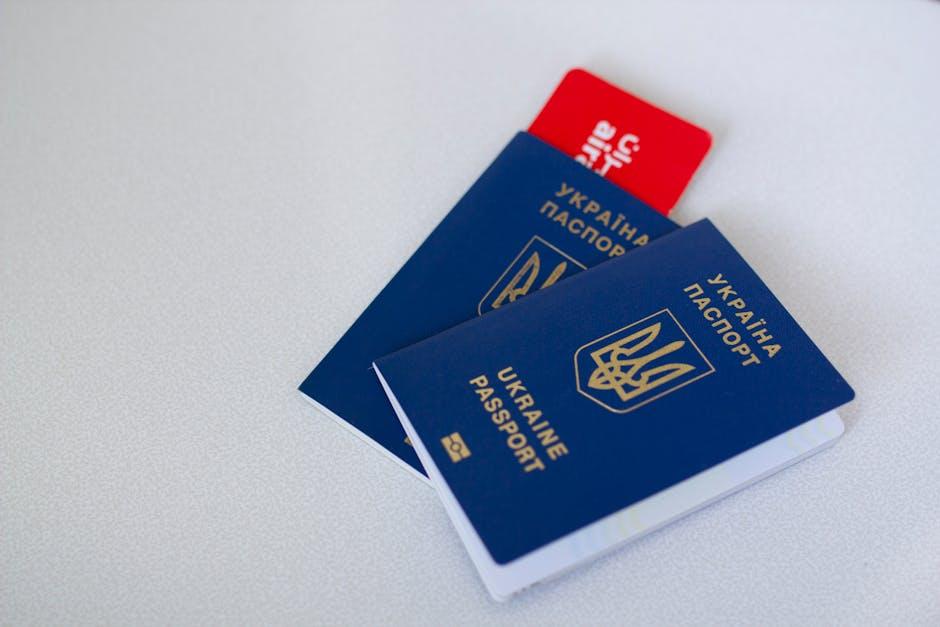
Navigating Legal Complexities of Triple Citizenship
Understanding the legal landscape surrounding multiple nationalities is essential for anyone holding or pursuing triple citizenship. Each country involved has unique regulations, ranging from acceptance of dual or triple citizenship to strict prohibitions. Challenges often emerge around tax obligations, civic duties like military service, and eligibility for public office. Navigating these jurisdictions demands not only thorough research but also an astute awareness of conflicting laws that may sometimes compel an individual to renounce one or more citizenships.
When exploring triple citizenship, key factors to consider include:
- Country-specific limitations: Some nations may require formal declarations or restrict dual nationality altogether.
- Consular support and protection: Understanding which government will intervene in legal or emergency situations.
- Inheritance and property rights: Different countries have distinct rules that may affect estate planning.
| Aspect | Considerations |
|---|---|
| Legal Conflicts | Potential jurisdictional disputes and overlapping obligations |
| Citizenship Revocation | Risk of losing citizenship if rules are violated |
| Diplomatic Protection | Varies depending on the country providing support |

Balancing Rights and Responsibilities Across Borders
As individuals embrace the complexity of holding citizenship in three nations, they unlock unique opportunities and face intricate challenges that demand a thoughtful approach to legal and social responsibilities. Navigating these multi-jurisdictional dynamics means constantly balancing diverse sets of rights, including voting privileges, consular protection, and eligibility for public services, alongside obligations such as taxation, military service, and adherence to varying legal frameworks. This interplay often creates a delicate equilibrium, requiring citizens to be well-informed and proactive in managing their plural affiliations to prevent conflicts or unintended legal pitfalls.
In practical terms, this balancing act involves understanding jurisdictional overlaps and discontinuities. The following list highlights essential areas where rights and responsibilities often intersect or diverge across borders:
- Taxation: Obligations in one country may persist despite residence abroad, necessitating careful financial planning.
- Military Service: Some nations require compulsory service regardless of other citizenship statuses.
- Legal Protections: Consular access might be limited if dual or triple citizenship causes conflicting recognition.
- Political Participation: Voting rights can vary, impacting influence in each homeland’s democratic processes.
| Aspect | Rights | Responsibilities |
|---|---|---|
| Voting | Participate in local & national elections | Stay informed on each country’s political system |
| Taxation | Access to social benefits funded by taxes | File tax returns in multiple jurisdictions |
| Military Service | Protection by armed forces | Mandatory conscription or alternative services |
The Impact of Triple Citizenship on Taxation and Financial Planning
Holding triple citizenship creates a unique landscape for taxation and financial strategy, requiring individuals to juggle multiple national tax codes simultaneously. Each country may claim rights to tax global income, creating overlapping obligations that can lead to unexpected liabilities if not expertly managed. This complexity demands a rigorous understanding of each nation’s reporting requirements and potential double or triple taxation treaties that may provide relief. Failing to navigate these regulations properly can result in penalties, late fees, or even legal complications, emphasizing the importance of early and continuous financial oversight.
Key tax-related considerations for triple citizens include:
- Multiple Tax Returns: Filing requirements can multiply, necessitating the coordination of deadlines and documentation across borders.
- Foreign Tax Credits: Leveraging credits may prevent double taxation but requires precise calculations and reports.
- Banking and Asset Reporting: Compliance with Foreign Account Tax Compliance Act (FATCA) and similar regulations ramp up administrative duties.
- Estate Planning: Tax implications in inheritance laws can differ significantly, complicating cross-border wealth transfer.
| Citizenship Country | Tax Year Filing Deadline | Key Financial Reporting Requirement |
|---|---|---|
| Country A | April 15 | Foreign Income Disclosure |
| Country B | June 30 | Asset Reporting & Wealth Tax Filing |
| Country C | December 31 | Worldwide Income Reporting |
Cultural Identity and Social Integration Challenges
Juggling three distinct cultural backgrounds can create a rich tapestry of identity, yet also pose significant challenges for those holding triple citizenship. This unique status often leads to feelings of belonging in multiple places—but also, interestingly, a sense of not fully belonging anywhere. The push and pull between different set of cultural norms, languages, and values can impact social integration, sometimes causing internal conflict or external misunderstandings.
Key challenges experienced include:
- Balancing Traditions: Negotiating holidays, rituals, and family expectations from each culture.
- Social Expectations: Pressure to conform to multiple societal standards simultaneously.
- Identity Ambiguity: Navigating perceptions from others who may question loyalty or authenticity.
| Aspect | Impact on Social Integration |
|---|---|
| Language Use | Mastery or preference may vary, influencing communication ease. |
| Legal Rights | Complexities in exercising rights in all three countries. |
| Community Membership | Dual or triple loyalties can both enrich and complicate social bonds. |
Practical Tips for Managing Multiple Nationalities Efficiently
Juggling multiple nationalities requires a strategic approach to paperwork, legal obligations, and cultural integration. Start by organizing all essential documents in both physical and digital formats. Use cloud storage platforms with secure encryption to keep your passports, visas, and residency permits accessible yet safe. Additionally, setting calendar reminders for renewal deadlines and tax filings helps avoid late penalties, ensuring you stay compliant with each country’s regulations. Remember, each nationality comes with its own set of responsibilities—understanding them thoroughly is key to seamless management.
Effective communication is equally crucial. Build a network of trusted legal advisors or consulates familiar with multi-citizenship laws to provide guidance when needed. Consider creating a comparison table to track the distinct rights and duties associated with each nationality, making decision-making smoother during travel, employment, or property ownership.
| Nationality | Visa-Free Travel | Tax Residency | Voting Rights |
|---|---|---|---|
| Country A | 150 Countries | Yes | Yes |
| Country B | 100 Countries | No | No |
| Country C | 120 Countries | Yes | Yes |
- Maintain a central record of all citizenship-related obligations.
- Leverage technology to automate reminders and document storage.
- Stay informed on changing laws and bilateral agreements.
Final Thoughts
In the intricate landscape of modern identity, triple citizenship stands as both a beacon of opportunity and a labyrinth of complexity. As borders blur and lives become increasingly global, understanding the nuances of holding multiple national ties is more crucial than ever. Navigating this maze requires thoughtful reflection, informed decision-making, and an appreciation for the delicate balance between rights and responsibilities. Ultimately, embracing the multifaceted nature of citizenship today invites us to rethink belonging itself—not as a singular destination, but as an evolving journey across the maps of law, culture, and personal identity.