In a world increasingly defined by movement and connection, the notion of nationality is becoming more fluid and multifaceted. For many, holding double nationality is not just a legal status, but a complex tapestry woven from intertwined cultures, histories, and rights. Navigating this dual identity brings both unique opportunities and intricate challenges—shaping how individuals see themselves and how laws recognize their place in the world. This article delves into the nuanced realm of double nationality, exploring the delicate balance between personal identity and legal rights that defines this modern phenomenon.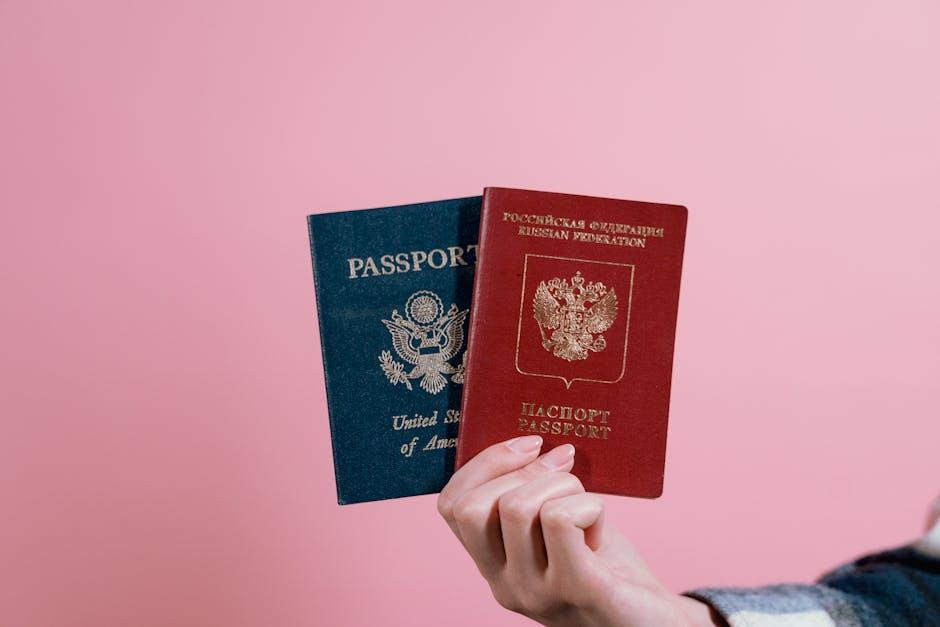
Understanding Double Nationality and Its Impact on Personal Identity
Embracing two national identities simultaneously can lead individuals down a unique and complex path. This duality often fosters a rich cultural tapestry where traditions, languages, and values intertwine, shaping a multifaceted sense of self. However, it also poses challenges such as reconciling conflicting societal expectations or navigating the emotional landscape of belonging to two places yet sometimes feeling fully accepted by neither. The experience of holding double nationality goes beyond legal status; it deeply influences how a person perceives their roots, community, and place in the world.
From a personal identity perspective, double nationality grants the opportunity to celebrate diversity within one’s own life while demanding an ongoing process of self-reflection. Individuals might find themselves balancing multiple perspectives on patriotism, loyalty, and cultural expression. Here are some common themes experienced by those with double nationality:
- Cultural Enrichment: Exposure to multiple customs and languages enhances creativity and adaptability.
- Identity Fluidity: Self-understanding evolves as one negotiates between two cultural frameworks.
- Sense of Belonging: Feelings of attachment may vary, sometimes leading to a hybrid or communal identity.
| Aspect | Potential Benefit | Possible Challenge |
|---|---|---|
| Cultural Access | Broadened worldview | Conflicting traditions |
| Legal Rights | Multiple protections | Obligations in both countries |
| Social Integration | Expanded networks | Sense of exclusion |
Legal Rights and Responsibilities Across Borders
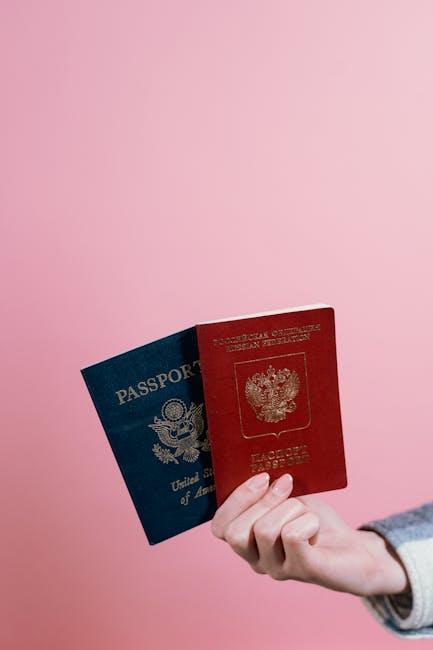
Holding citizenship in two countries opens a fascinating yet complex legal landscape. Each nation imposes its own set of rights and responsibilities that individuals must navigate carefully. For example, tax obligations may arise in both countries, requiring dual nationals to understand treaty agreements or risk double taxation. Furthermore, voting rights and eligibility for public office can differ, impacting civic participation. It’s crucial to recognize that some countries enforce mandatory military service, and dual nationals might face conscription in one or both nations, depending on local laws.
Understanding these nuances can be made easier by breaking them down into key areas of legal considerations:
- Residency Requirements – How long you must live in each country to maintain or renew citizenship rights.
- Legal Protections – Which country’s law applies in disputes, especially concerning family law or contractual obligations.
- Travel and Passport Use – Rules about which passport to use when entering or leaving countries.
- Access to Social Services – Eligibility for healthcare, education, and welfare benefits.
These overlapping jurisdictions can be illustrated as follows:
| Aspect | Country A | Country B |
|---|---|---|
| Tax Filing | Required annually, worldwide income | Based on residency, local income only |
| Military Service | Mandatory for males aged 18-25 | No compulsory service |
| Voting Rights | Open to all citizens | Only after 3 years of residency |
| Health Benefits | Universal coverage | Enrollment required |
Challenges and Opportunities in Civic Participation
Balancing multiple national allegiances introduces both intricate challenges and promising opportunities for civic engagement. Individuals with double nationality often face legal ambiguities when exercising their rights, such as voting or holding public office, as these rights may differ significantly between countries. Additionally, navigating bureaucratic complexities can sometimes lead to feelings of disenfranchisement or confusion about where their civic responsibilities truly lie. However, these challenges can also cultivate a unique perspective that enriches democratic participation, allowing dual nationals to act as bridges between cultures and political systems.
On the flip side, double nationals possess a wealth of opportunities to influence civic life positively through diverse networks and experiences. They can champion causes that promote inclusivity, cross-border cooperation, and multicultural dialogue, fostering stronger communities on both sides of their national affiliations. Consider some key civic participation avenues for dual citizens:
- Voting rights in local and national elections
- Engagement in policy advocacy that spans multiple jurisdictions
- Participation in community organizations rooted in cultural heritage
- Facilitating international dialogues on social and political issues
| Challenge | Opportunity |
|---|---|
| Conflicting legal regulations | Broader political perspective |
| Identity negotiation | Enhanced cultural empathy |
| Limited access to some rights | Advocacy for inclusive policies |
| Risk of divided loyalties | Building cross-national alliances |
Balancing Cultural Connections and Social Integration
Embracing double nationality often means walking a delicate tightrope between maintaining cultural roots and thriving within a new societal framework. This balancing act requires intentional effort to preserve language, traditions, and values instilled by one’s heritage while remaining open to the customs and social norms of the adopted country. Individuals managing this duality frequently discover that their hybrid identity enriches personal growth and broadens perspectives, ultimately fostering a unique cultural fluency. Cultivating strong connections with both communities helps to nurture a sense of belonging that transcends borders, creating a more inclusive worldview.
On a practical level, social integration benefits greatly from proactive engagement in diverse environments. Activities such as participating in local festivals, joining cultural associations, or volunteering can bridge gaps and reduce feelings of isolation. Moreover, balancing distinct cultural identities involves navigating various social expectations and legal frameworks carefully. Below is a concise overview illustrating these aspects:
| Aspect | Cultural Connection | Social Integration |
|---|---|---|
| Language Use | Maintain native language fluency | Learn and use official language fluently |
| Community Involvement | Engage with cultural groups | Participate in civic and social organizations |
| Identity Expression | Celebrate traditional holidays | Adapt to local customs and etiquette |
- Emotional Resilience: Balancing cultural ties demands strength to handle identity conflicts gracefully.
- Open-mindedness: Being receptive to new experiences creates bridges between diverse cultural terrains.
- Support Networks: Leveraging family, friends, and community organizations is essential for seamless integration.
Practical Tips for Managing Dual Citizenship Obligations
Balancing responsibilities across two nations requires deliberate organization and awareness. Keep abreast of the distinct legal requirements each country demands, such as tax filings, military service, or voting duties. Create a personalized checklist to manage deadlines and obligations, ensuring timely compliance without overwhelm. Staying digitally connected with embassy updates or official government portals helps you anticipate changes before they impact your dual citizenship rights.
Here are some practical strategies to stay on top of your dual status:
- Maintain separate financial records for each country to simplify tax reporting.
- Schedule regular reviews of your citizenship documents and renewals.
- Enroll in notifications from consulates or legal resources relevant to citizenship laws.
- Consult with a legal expert specializing in dual nationality to avoid surprises.
| Obligation | Country A | Country B |
|---|---|---|
| Tax Returns | Annual filing due April 15 |
Semi-annual filing due June & December |
| Military Service | Optional reserve duty | Mandatory, age 18-25 |
| Voting Rights | Local & national elections | National elections only |
The Conclusion
In the intricate tapestry of modern identity, double nationality weaves threads of opportunity, challenge, and belonging into a unique pattern for each individual. As borders blur and lives span continents, understanding the rights and responsibilities that come with holding multiple citizenships becomes essential. Navigating this dual existence is not just a legal journey but a deeply personal one—an ongoing dialogue between cultures, laws, and the self. Ultimately, embracing the complexities of double nationality invites us to rethink nationality itself, not as a fixed label, but as a fluid narrative shaped by experience, choice, and connection.