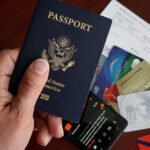
In an increasingly interconnected world, the idea of belonging to more than one nation has moved from a rare curiosity to a growing reality. Dual citizenship offers a unique passport not just to different countries, but to diverse cultures, opportunities, and legal landscapes. Yet, like any complex identity, it carries a blend of privileges and pitfalls that deserve thoughtful consideration. This article embarks on a journey through the multifaceted terrain of dual citizenship, unraveling its advantages and challenges to help you navigate the path with clarity and confidence.
Understanding Dual Citizenship Foundations and Eligibility Criteria
At its core, dual citizenship allows an individual to hold legal nationality in two countries simultaneously, blending the rights and responsibilities from both nations. This status isn’t universally granted, though, as each country imposes unique rules shaped by history, politics, and societal values. Common pathways to eligibility include birthright citizenship, where being born on a country’s soil grants automatic citizenship; descent, which connects individuals to their ancestors’ national origins; and naturalization, a process often requiring residency, language proficiency, and cultural integration. It’s essential to understand these foundations clearly, as qualification criteria can vary greatly, and some nations restrict or completely prohibit dual nationality.
Eligibility isn’t merely a checklist; it’s a tapestry woven from legal statutes and personal circumstances. To give you a snapshot of the intricate landscape, consider this simplified overview of key eligibility categories:
| Eligibility Route | Common Requirements | Examples |
|---|---|---|
| Birthright | Born within territorial boundaries | United States, Canada |
| Descent | Parent(s) hold or held citizenship | Italy, Ireland |
| Naturalization | Residency, language test, cultural knowledge | Australia, Germany |
| Marriage | Spouse’s citizenship + residency period | France, Spain |
- Documentation: Proper paperwork and proof of ties are indispensable.
- Legal nuances: Some countries require renunciation of previous citizenship.
- Dual responsibilities: Tax obligations and military service can be affected.

Weighing the Benefits and Potential Challenges of Dual Nationality
Embracing dual nationality opens doors to a unique blend of cultural and economic opportunities that can enrich personal and professional lives. Among the key advantages are the ability to live, work, and study freely in multiple countries, wider access to social services, and the chance to build diverse networks across borders. Dual citizens often enjoy simplified travel arrangements, including visa-free access to more nations, which can be invaluable for frequent international travelers or global entrepreneurs.
However, navigating dual nationality also presents its own set of challenges that merit close attention. Complexities around tax obligations, compulsory military service in one or both countries, and potential legal conflicts can complicate matters. It’s essential to be aware of each country’s policies to avoid pitfalls such as double taxation or unexpected legal responsibilities.
| Benefit | Potential Challenge |
|---|---|
| Access to multiple healthcare systems | Dual taxation issues |
| Right to vote in two countries | Conflicting allegiance requirements |
| Enhanced cultural identity and heritage | Complex legal documentation |
| Improved job prospects internationally | Mandatory military service |
Legal Considerations and Tax Implications Across Borders
Holding dual citizenship means navigating a complex web of legal frameworks and tax responsibilities that differ across countries. Each nation has its own rules regarding citizenship rights, obligations, and restrictions. For example, some countries allow dual nationals to hold public office, while others may impose limitations or require exclusive allegiance. Understanding the specific legal landscape is crucial to avoid unintentional violations, such as compulsory military service or conflicts over property ownership. Consulting with legal experts familiar with both jurisdictions can help prevent surprises and ensure compliance with all laws.
Tax implications can be equally intricate, as dual citizens may face obligations in both countries, potentially leading to double taxation. However, many countries have tax treaties designed to alleviate or eliminate this burden. Here are some key considerations to keep in mind:
- Worldwide income reporting: Some countries tax their citizens regardless of where they reside, requiring annual declarations of global earnings.
- Foreign tax credits: Mechanisms allowing offsets of taxes paid abroad to avoid double taxation.
- Filing deadlines: Awareness of differing fiscal years and submission dates to stay compliant.
| Country | Citizenship Tax Policy | Double Taxation Treaties |
|---|---|---|
| USA | Taxes worldwide income | Over 60 countries |
| Canada | Taxes residents only | Over 90 countries |
| Germany | Taxes residents only | More than 90 countries |
Practical Tips for Managing Obligations and Rights Effectively
Balancing obligations and rights across multiple countries requires a proactive approach. Start by maintaining organized records of legal documents, tax filings, and citizenship papers for each nation involved. This not only ensures compliance but also streamlines communication with authorities. Regularly consult with legal or tax professionals who specialize in dual citizenship to stay updated on ever-changing laws and requirements, reducing the risk of inadvertent violations.
- Schedule periodic reviews of your residency, tax obligations, and voting rights.
- Utilize technology tools like reminders and secure cloud storage for critical deadlines and documents.
- Engage with community groups or forums to learn from others’ experiences and stay informed.
| Key Responsibility | Best Practice |
|---|---|
| Tax Filing | File timely returns in both countries; consider tax treaties |
| Voting Rights | Register separately in each country and follow election guidelines |
| Legal Compliance | Understand dual citizenship restrictions and stay informed of changes |
Making an Informed Decision: Assessing Personal and Professional Impact
Before embracing dual citizenship, it’s essential to evaluate how this decision will ripple across both your personal life and professional trajectory. Consider your family dynamics, cultural ties, and long-term residency plans. Dual citizenship can offer an enriching connection to multiple heritages but may also bring complexities in terms of travel, taxation, and legal obligations. Reflect on how holding two nationalities might affect your identity and daily life, from voting rights to access to social services, which vary widely between countries.
Professionally, the impact can be equally significant. Dual citizenship might open doors to career opportunities, international assignments, or smoother business operations across borders. However, challenges such as conflicting tax liabilities or security clearances should not be overlooked. Weighing the benefits against potential drawbacks can be simplified by listing your priorities and examining the following aspects:
- Travel Flexibility: Access to multiple passports for easier visa-free movement
- Employment Opportunities: Eligibility for jobs in both countries
- Taxation Requirements: Understanding dual tax responsibilities
- Legal Rights: Voting, property ownership, and inheritance laws
- Security Considerations: Government restrictions for dual nationals
| Factor | Potential Benefit | Possible Challenge |
|---|---|---|
| Travel | Multiple visa-free countries | Conflicting visa rules |
| Taxes | Access to financial benefits | Double taxation risks |
| Employment | Broader job market eligibility | Complex work authorization |
To Wrap It Up
In the intricate dance of identity, opportunity, and responsibility, dual citizenship stands as both a bridge and a boundary. As you navigate the promising avenues and the complex legal landscapes, remember that the choice to hold multiple nationalities is deeply personal and uniquely influential. Weighing the pros and cons with care allows you to craft a story that honors your past, embraces your present, and shapes your future. Whatever path you choose, may it lead you to a place of clarity, freedom, and belonging in this ever-connected world.