In an increasingly interconnected world, the concept of identity transcends borders, and many find themselves holding more than one passport—each a key to different cultures, communities, and legal landscapes. Navigating the world of dual nationality citizenship rights is much like charting a course through a complex maze: opportunities abound, but so do challenges and nuances that require careful understanding. This exploration shines a light on the intricate balance between rights and responsibilities, realities and perceptions, empowering dual citizens to embrace their multifaceted identities with clarity and confidence.
Understanding Dual Nationality and Its Global Legal Landscape
Dual nationality, also known as dual citizenship, allows individuals to legally hold citizenship in two countries simultaneously. This status provides a unique set of benefits and challenges, shaped heavily by the legal frameworks of each nation involved. Some countries embrace dual nationality with open arms, recognizing it as a symbol of global connectivity and personal freedom, while others impose strict limitations or outright prohibit it to maintain exclusive national allegiance. The complexity arises from the intertwining of different citizenship laws—ranging from automatic acquisition at birth, naturalization processes, to renunciation requirements. Understanding these nuances is essential for anyone considering or holding dual citizenship, as it affects everything from voting rights and military service obligations to taxation and consular protection abroad.
Different regions approach dual nationality in distinct manners, often reflecting their unique historical, social, and political contexts. For instance, countries in the European Union generally facilitate dual citizenship to promote freedom of movement and integration within the bloc, whereas some Asian and Middle Eastern nations prioritize singular national fidelity due to security or cultural reasons. Here’s a snapshot of common policies for clearer perspective:
| Region | Common Policy | Key Considerations |
|---|---|---|
| Europe | Permissive | Promotes integration and EU rights |
| Asia | Restrictive | Often requires renunciation of other citizenships |
| Americas | Varied | Many allow dual, some limit military service |
| Middle East | Restrictive | Security concerns limit dual status |
- Legal consistency: How countries handle conflicts between dual citizenship laws.
- Rights and obligations: Voting, taxation, military service, and passport usage.
- International treaties: Bilateral agreements influencing recognition.
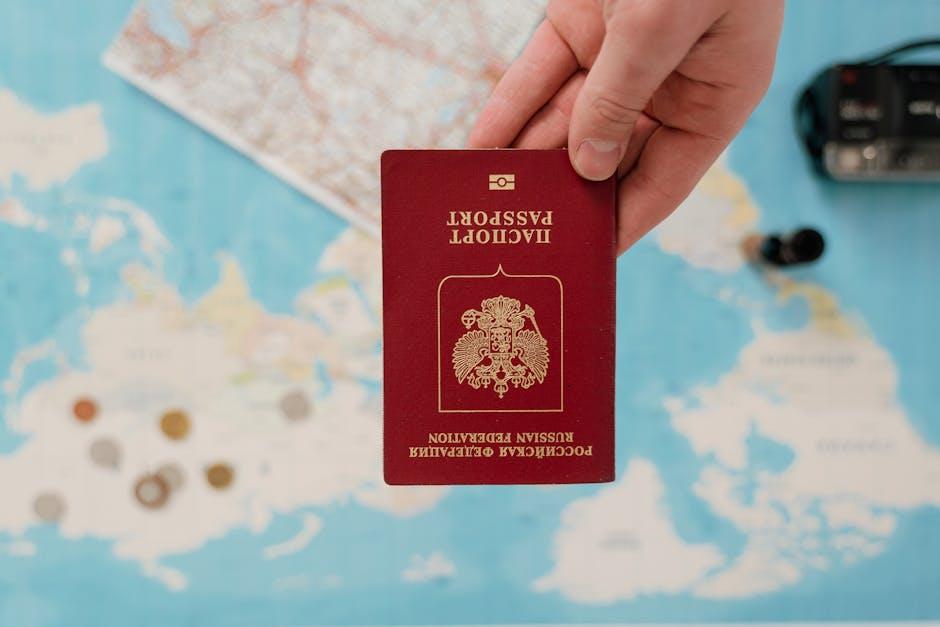
The Benefits and Challenges of Holding Multiple Passports
Holding multiple passports can unlock a treasure trove of advantages for global citizens. With access to a broader range of countries, travelers often encounter less stringent visa requirements, reducing bureaucratic hurdles and enhancing spontaneous mobility. Economic opportunities multiply as citizens can work, invest, or even retire in various nations with fewer restrictions. Additionally, multiple passports can serve as a powerful hedge against political instability or economic downturns in any one country, offering a safety net that ensures continuity of rights and privileges internationally.
However, juggling multiple citizenships isn’t without its complexities. From a legal perspective, dual or multiple nationals must navigate varying taxation laws, military service obligations, and conflicting allegiance demands. Some countries may require declarations of citizenship or restrict certain rights, leading to unexpected challenges. Privacy concerns and the administrative burden of maintaining multiple passports—including renewals and monitoring expiration dates—add another layer of consideration. Below is a quick comparison of select passport benefits and potential challenges:
| Aspect | Benefits | Challenges |
|---|---|---|
| Travel Freedom | Visa-free entry to more countries | Keeping passports valid; conflicting travel restrictions |
| Legal Rights | Work and live in multiple countries | Dual taxation & legal obligations |
| Security | Escape political or economic risk | Potential loyalty questions |
Key Rights and Responsibilities for Dual Citizens
Holding citizenship in two countries opens a world of opportunities, but it also comes with a unique set of rights and responsibilities that must be carefully balanced. Dual citizens can benefit from legal protections, access to social services, and the right to vote in both nations, provided they comply with election regulations in each jurisdiction. However, they must also adhere to both countries’ laws and respect their diverse cultural expectations, which can sometimes lead to conflicting duties, such as taxation or military service obligations.
Understanding the practical implications of dual nationality is crucial to navigating these complexities effectively. The table below highlights some common key rights and responsibilities to consider when managing dual citizenship:
| Rights | Responsibilities |
|---|---|
| Passport privileges for international travel | Filing taxes according to both countries’ laws |
| Access to education and healthcare systems | Mandatory military or civil service (if applicable) |
| Voting in local and national elections | Respect for national laws and social customs |
| Consular protection abroad | Disclosure of dual status when required |
- Dual allegiance: Balancing loyalty while embracing multicultural identities.
- Legal compliance: Staying informed on changing dual citizenship policies.
- Civic engagement: Participating responsibly in the political processes of both nations.
Navigating Travel and Residency Restrictions with Dual Citizenship
Understanding the intricacies of travel and residency restrictions is crucial when holding dual nationality. While having two passports can grant you enhanced freedom, it also comes with a unique set of challenges. Some countries impose specific rules on dual citizens, ranging from mandatory visa applications to limitations on the length of stay. Always verify the entry requirements for both countries involved to avoid unexpected complications at borders or airports.
Additionally, dual citizenship may impact your eligibility for long-term residency or citizenship benefits in one of your countries. Consider these factors carefully:
- Visa exemptions: Do both nations offer visa-free travel to each other’s citizens?
- Residency permits: Are there restrictions or special permits required for dual nationals?
- Tax residency rules: Your status might affect taxation and social benefits, depending on where you primarily reside.
| Country | Travel Advantage | Residency Restriction |
|---|---|---|
| Country A | Visa-free to 150+ countries | Mandatory registration within 30 days |
| Country B | Easy entry to regional states | Max stay of 180 days per year |
Practical Tips for Managing Dual Nationality in Everyday Life
Balancing the benefits and responsibilities of dual nationality can be rewarding yet complex. To stay ahead, it’s essential to keep your documentation organized and up-to-date. Regularly renew passports and identity cards to avoid last-minute hiccups during travel. Additionally, stay informed about the legal nuances in both countries – immigration laws, tax obligations, and voting rights often change, so subscribing to official newsletters or governmental updates can save both time and stress.
Adopting a practical routine can also ease dual nationality management. Consider creating a checklist like the one below to stay on top of critical tasks:
- Bi-annual document review: Verify all IDs and permits.
- Tax season planning: Consult experts familiar with the tax codes of both nations.
- Cultural engagement: Participate in community events to maintain strong ties.
- Emergency preparedness: Know consulate locations and helpline numbers.
| Task | Frequency | Benefit |
|---|---|---|
| Passport Renewal | Every 5-10 years | Ensures seamless travel |
| Tax Consultation | Annually | Avoids legal issues |
| Cultural Involvement | Monthly | Strengthens identity |
Insights and Conclusions
In a world growing increasingly interconnected, the journey through dual nationality citizenship rights is as complex as it is compelling. Understanding the intricate balance between opportunities and responsibilities can empower individuals to navigate their unique identities with confidence and clarity. As laws evolve and borders blur, embracing the nuances of dual citizenship becomes not just a legal necessity, but a bridge to richer cultural experiences and broader horizons. Ultimately, the path through dual nationality is less about choosing one identity over another—and more about harmonizing the many facets of who we are in a global tapestry.